
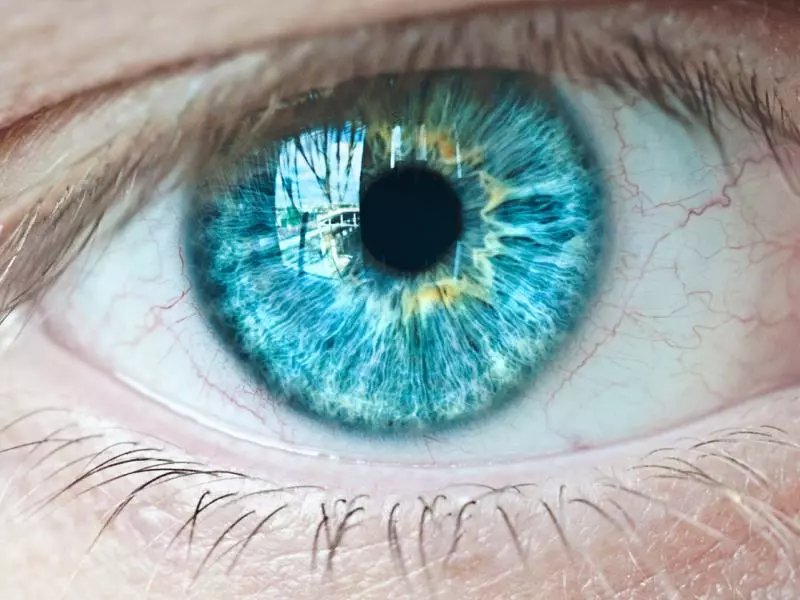
The Cause of Colored Eyes
Colored eyes are considered an attractive and striking feature for many people. However, understanding how these eye colors form and the scientific and genetic foundations behind them is quite fascinating.
How Do Colored Eyes Form?
Colored eyes develop as a result of a combination of pigments and structural characteristics within the iris. Eye color is determined by the amount of melanin in the iris and the structural properties of the iris itself. Melanin is the natural pigment that gives color to our skin, hair, and eyes. The structure of the iris and the pigments it contains influence how light is reflected, which ultimately determines the visible eye color.
Eye color is genetically determined and largely inherited from our parents. However, the exact genes that control this trait involve a complex genetic structure. Blue and green eyes typically contain less melanin, while brown eyes have higher melanin levels. The amount and distribution of melanin within the iris define the shade and depth of eye color.
The formation of colored eyes is not limited to melanin alone. The structural properties of the iris also influence how eye color appears. The cellular structure of the iris and the way light scatters within it can alter the perception of color. That is why even two people with the same eye color may have eyes that look slightly different.
Genetic Foundations of Eye Color
Eye color is passed down genetically, and this inheritance is governed by a complex genetic system. The genes responsible for eye color combine in different ways, leading to the wide range of eye colors seen among individuals. Two key genes known to significantly influence eye color are OCA2 and HERC2.
The OCA2 gene plays a crucial role in melanin production. Variations in this gene can affect melanin levels, thereby influencing eye color. The HERC2 gene regulates the activity of OCA2, indirectly affecting eye pigmentation. The interaction between these two genes contributes to the development of blue, green, hazel, or brown eyes.
Genetics not only determines eye color but can also influence its tone and brightness. Even identical twins may show slight differences in eye color. This is because environmental influences, along with genetics, can contribute to the final appearance of eye color.
Different Types of Colored Eyes
There are many eye color variations worldwide, each offering a unique beauty. The most common eye colors include brown, blue, green, and hazel, while rarer shades such as amber and gray also exist.
Brown Eyes: The most common eye color, characterized by high melanin content. Brown eyes are typically darker and provide greater protection against sunlight.
Blue Eyes: Contain less melanin and therefore appear lighter. Blue eyes can display different shades depending on how light passes through the iris.
Green Eyes: A relatively rare eye color formed by a unique combination of melanin and other pigments.
Hazel Eyes: Often contain multiple color tones and may appear to shift depending on lighting conditions.
The distribution of eye colors varies across populations. Blue eyes are more common in Europe, while brown eyes are more prevalent in Asia and Africa. Each eye color reflects genetic diversity and evolutionary processes.
Advantages and Disadvantages of Colored Eyes
Having colored eyes may come with both advantages and disadvantages. Eye color is not only an aesthetic trait but may also relate to physiological and environmental factors.
Advantages
Aesthetic Appeal: Colored eyes are often perceived as attractive, which may enhance self-confidence.
Low-Light Vision Sensitivity: Some lighter eye colors may perform better in lower-light conditions.
Cultural and Social Value: In certain societies, colored eyes may carry cultural significance and influence social perception.
Disadvantages
Sun Sensitivity: Lighter-colored eyes may be more sensitive to bright sunlight, potentially causing discomfort.
Potential Visual Risks: Some research suggests certain eye colors may be associated with increased sensitivity to specific visual conditions.
Lower Melanin Protection: Reduced melanin levels may offer less natural protection against UV exposure.
These factors vary based on individual genetics and environmental influences. Regular eye examinations and protective measures such as wearing sunglasses are important for maintaining eye health.
Development and Changes in Eye Color
The development of colored eyes begins at birth and usually stabilizes during childhood. Many babies are born with blue or gray eyes, but this may change as melanin accumulates in the iris. As children grow, their eye color typically becomes permanent.
Eye color changes are not limited to childhood. In some cases, medical conditions or injuries may cause changes in eye color. Conditions such as Horner’s syndrome or Fuchs heterochromic iridocyclitis can result in one eye appearing different from the other.
While genetics largely determines eye color changes, environmental factors may also contribute. Prolonged sun exposure or certain medications may cause subtle changes. These changes are often temporary but should be monitored, and medical advice should be sought if necessary.
Colored Eyes and Light Sensitivity
Light sensitivity in colored eyes varies depending on eye color and melanin levels. Lighter eyes contain less melanin and may be more sensitive to sunlight, potentially leading to eye strain or discomfort in bright environments.
Darker eyes, with higher melanin content, may tolerate bright light better. However, sensitivity levels can differ from person to person.
Light sensitivity can be managed with protective measures. Wearing UV-protective sunglasses and using hats in bright environments can help reduce discomfort and protect eye health.
Cultural and Social Significance of Colored Eyes
Throughout history, colored eyes have carried different meanings across cultures. In some societies, they have been associated with beauty, attractiveness, or even mystical qualities. For example, in medieval Europe, blue eyes were often viewed as symbols of purity and innocence.
Today, colored eyes continue to hold social significance. In fashion and media, they are frequently highlighted as an attractive feature. Some individuals use colored contact lenses to emphasize or change their eye color, reflecting its ongoing cultural relevance.
Cultural perceptions of eye color vary across societies. In some cultures, certain eye colors are common and considered normal, while in others they may be rare and viewed as distinctive. These differences shape how eye color is socially perceived.
Care Tips for Colored Eyes
Maintaining the health and beauty of colored eyes requires proper care. Eye health is essential to overall well-being and should not be neglected.
Regular Eye Exams: Routine eye check-ups help detect potential issues early and ensure proper treatment.
Sunglasses Use: UV rays can negatively affect eye health. Wearing sunglasses helps protect against harmful radiation and reduces light sensitivity.
Healthy Nutrition: Nutrients such as omega-3 fatty acids, vitamin C, and vitamin E support long-term eye health.
Hydration: Staying well-hydrated helps maintain eye moisture and prevent dryness.
By following these care tips, you can help keep your colored eyes healthy and vibrant. Remember, eye health reflects overall health and deserves consistent attention.
 Call
Call
 Whatsapp