
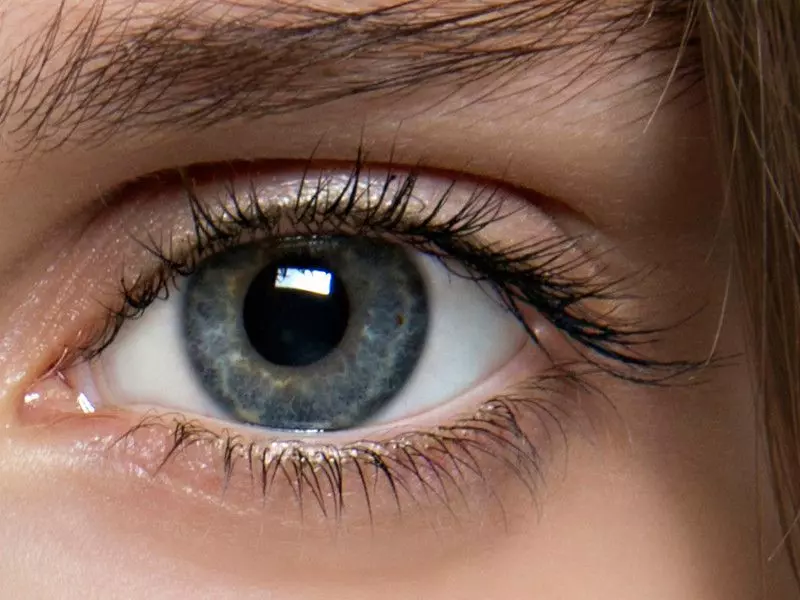
Special Eye Colors
Eyes are often described as the windows to the soul, and each pair carries a unique beauty. Special eye colors attract attention due to their rarity and unusual appearance. Throughout history, these eye colors have sparked curiosity and have often been associated with personality and attractiveness. But what exactly are special eye colors?
What Are Special Eye Colors?
Special eye colors are those that fall outside common shades such as brown, blue, and green. These include amber, gray, hazel, and even rarer tones like red or violet. Each offers a distinctive and striking appearance, which is why individuals with these eye colors often stand out.
Special eye colors typically result from genetic factors. Melanin levels, light refraction, and inherited traits all play a role in determining eye color. These biological differences give rise to the rare and unique shades we observe.
Such eye colors are often perceived as extraordinary. For example, gray eyes may convey a cool and mysterious aura, while amber eyes can create a warm and captivating impression.
How Special Eye Colors Form
The formation of special eye colors is primarily a combination of genetic and biological processes. The main factor determining eye color is the amount and distribution of melanin pigment in the iris.
Melanin Levels: High melanin levels typically produce brown eyes, while low melanin levels result in blue eyes.
Genetic Inheritance: Parental eye colors significantly influence a child’s eye color. In addition, genetic mutations can lead to rare eye colors.
Light Refraction: The way light scatters within the eye can affect perceived color. Some eyes may appear different in sunlight compared to indoor lighting.
Psychological Effects of Special Eye Colors
Eye color can influence how individuals perceive themselves and how they are perceived by others. People with rare eye colors often attract attention, which may positively or negatively impact their confidence and social experiences.
There are also widespread cultural beliefs linking eye colors to personality traits. Blue eyes are often associated with calmness, while green eyes are considered mysterious and creative. Although these associations are not scientifically proven, they continue to shape social perception.
The Rarest Eye Colors in the World
Some eye colors are extremely rare worldwide:
Red or Violet Eyes: Usually associated with genetic conditions such as albinism, where pigment deficiency causes light to reflect differently.
Amber Eyes: A golden, copper-like tone resulting from a combination of melanin and lipochrome pigments.
Gray Eyes: Caused by low melanin levels and specific light scattering patterns, more common in Northern Europe.
Heterochromia: A condition where each eye is a different color.
These rare eye colors highlight the complexity of genetics and light interaction within the iris.
Celebrities with Special Eye Colors
Several well-known figures are recognized for their distinctive eye colors:
Kate Bosworth: Known for heterochromia, with one blue eye and one hazel eye.
David Bowie: Had a permanently dilated pupil due to injury, giving the appearance of different eye colors.
Olivia Wilde: Known for eyes that appear to shift between green and gray tones.
Their eye colors contribute to their unique public image.
Meanings Associated with Eye Colors
Eye colors are often symbolically associated with personality traits:
-
Brown Eyes: Reliability and sincerity
-
Blue Eyes: Calmness and emotional depth
-
Green Eyes: Mystery and creativity
-
Hazel Eyes: Energetic and adventurous spirit
While these associations are culturally widespread, they are not scientifically definitive.
Special Eye Colors and Genetic Factors
Eye color results from the interaction of multiple genes. The OCA2 and HERC2 genes play significant roles in melanin production and distribution, directly affecting eye color.
Genetic mutations can also lead to uncommon shades. For example, albinism may result in unusually light or reddish eye tones. Eye color is therefore not just aesthetic—it reflects genetic heritage.
Common Misconceptions About Eye Colors
There are many myths surrounding eye color:
-
Eye color never changes: In reality, infants’ eye color can change during early childhood.
-
Eye color determines personality: There is no scientific proof supporting this belief.
-
Eye color is determined by only one gene: In fact, it is influenced by multiple genes.
Understanding the science behind eye color helps dispel these misconceptions.
Methods for Changing Eye Color
Some individuals may wish to change their natural eye color. Today, several methods exist:
Colored Contact Lenses: The most common and temporary option, offering different shades for aesthetic purposes.
Surgical Procedures: Some surgical methods aim to permanently alter eye color. However, these procedures carry significant risks. Complications such as infection, vision loss, or permanent eye damage may occur, and they should only be considered after thorough evaluation by a qualified eye specialist.
Laser Treatment: A method designed to lighten eye color by targeting melanin pigment. This procedure may not be suitable for everyone and requires professional medical consultation.
Anyone considering changing their eye color should carefully evaluate potential risks and prioritize health and safety above aesthetic concerns.
 Call
Call
 Whatsapp