
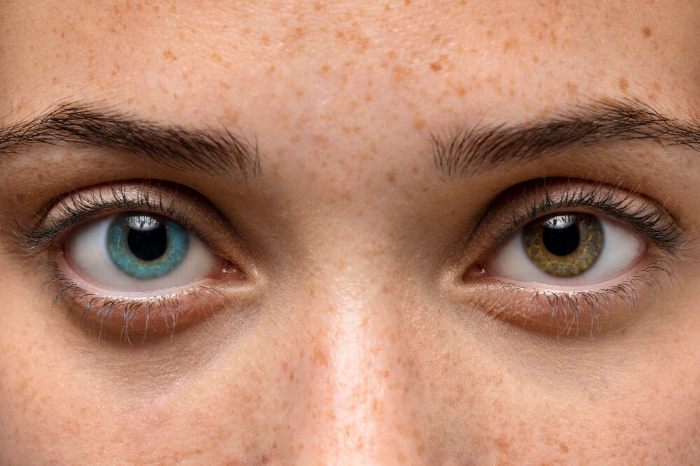
Seeing Colors Differently Between the Two Eyes
Human eyes generally perceive the same colors without any differences in processing. However, in some cases, a phenomenon such as seeing colors differently between the two eyes may occur. This means that a color perceived in one eye may appear in a different shade or intensity in the other eye. While this condition may not always indicate a health problem, it can sometimes be a sign of an underlying medical issue.
To better understand this phenomenon, it is important to look at how our eyes and brain process colors. The cone cells in our eyes detect red, green, and blue light and transmit this information to the brain. The brain then combines this data to create a colored image. When there is a disruption in the communication between the two eyes and the brain, the condition of seeing colors differently between the two eyes may arise.
If we or someone around us experiences this condition, it is important to consult a specialist. This difference may indicate a serious issue affecting eye health. Timely intervention is crucial to keep our eyes healthy and to avoid potential complications.
Causes of Seeing Colors Differently Between the Two Eyes
There are several possible causes of this condition. First, certain types of congenital color blindness may lead to seeing colors differently between the two eyes. Individuals with this condition may have difficulty perceiving specific color tones, which can result in differences in perception between the eyes. This type of color blindness is usually genetic and inherited.
Secondly, certain neurological disorders that affect the optic nerves may also trigger this condition. The optic nerves are critical structures that carry information from the eyes to the brain. Any damage or disease affecting these nerves may cause inconsistencies in color perception. Some diseases, such as multiple sclerosis, may lead to this type of nerve damage.
Finally, eye trauma or surgical interventions may also cause changes in color perception. Complications experienced during or after eye surgery may affect how the eyes perceive color. Therefore, it is important to carefully monitor eye health before and after any surgical procedure.
Expert Opinions in Ankara on Seeing Colors Differently Between the Two Eyes
Ankara is home to many doctors and clinics specialized in eye health. For those seeking information about seeing colors differently between the two eyes, specialists in the capital serve as an important source of knowledge. Eye health professionals in Ankara can provide comprehensive information about the causes and treatment methods of this condition.
Specialists first conduct a detailed eye examination to determine the source of the problem. Considering the advanced medical technology and equipment available in eye clinics in Ankara, accurate diagnosis becomes easier. Identifying the underlying cause is critical for properly planning the treatment process.
Many experts in Ankara emphasize the importance of raising awareness about this issue. They highlight the necessity of regular eye examinations and stress that any abnormality should prompt an immediate consultation with a specialist. Taking eye health seriously can help prevent more serious problems in the future.
Laser Eye Color Change Method
Eye color change has become an increasingly popular field due to aesthetic concerns. The laser eye color change method is a modern and popular approach in this area. This procedure involves altering the pigments in the iris using laser technology. As a result, eye color can be permanently changed.
One of the main advantages of this method is that it does not require traditional surgical intervention. Since it is performed using laser technology, it generally carries fewer risks and requires a shorter recovery period. However, it is important to note that this procedure may not be suitable for everyone. Eye health is the most important factor in determining eligibility for such treatments.
On the other hand, before deciding on any aesthetic intervention, it is essential to conduct thorough research and seek expert advice. Although such procedures may seem aesthetically appealing, careful and informed decisions must be made to avoid compromising eye health.
Laser Eye Color Change Process and Results
The laser eye color change process generally consists of several stages. First, the individual’s eye structure and overall eye health are thoroughly examined. Specialists assess whether the person is suitable for such a procedure. This stage is extremely important for protecting eye health. An unsuitable eye structure or health condition may lead to serious complications.
If the person is deemed suitable, the laser intervention is planned. During the procedure, laser beams target the iris pigments to achieve the desired color change. This process may take several sessions, with a recovery period required between each session. After the procedure, specific instructions must be followed to allow proper healing of the eyes.
The results are generally permanent, and once the procedure is completed, the individual continues life with their new eye color. However, it is important to be informed about the possible risks and side effects of such procedures. As with any aesthetic intervention, laser eye color change should be carefully evaluated.
 Call
Call
 Whatsapp