
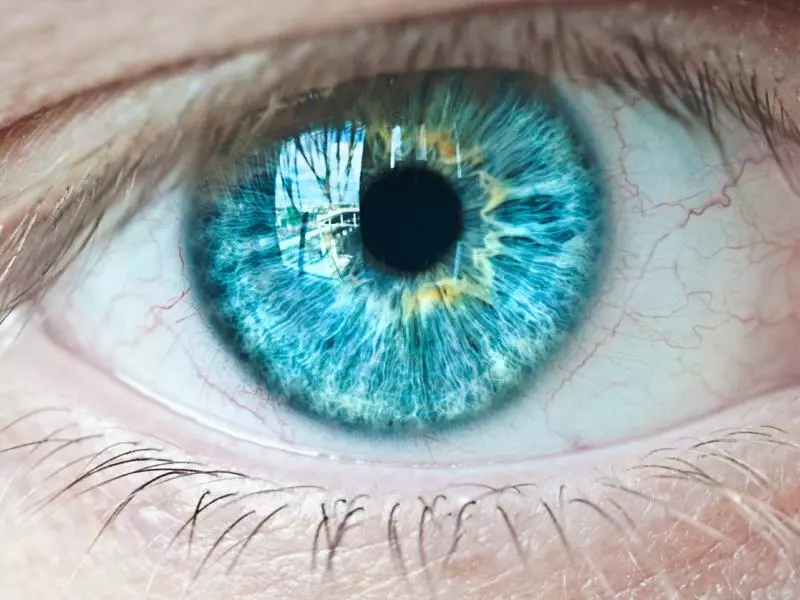
Rare Eye Colors Seen in Humans
Eyes are one of the most striking and fascinating features of human appearance. However, some eye colors are much rarer than others, making them even more special. Rare eye colors seen in humans usually appear as a result of a combination of genetic and biological factors. In this article, we will provide detailed information about the causes of these rare eye colors, the rarest eye colors in the world, their genetic structures, and their potential effects on health.
What Are Rare Eye Colors?
Rare eye colors are those that appear in only a small portion of the population. While brown, blue, and green are widely known eye colors, shades such as gray, amber, and red are much less common. The existence of these rare colors depends on several factors, including genetic mutations, pigment distribution, and environmental influences.
These rare colors are typically seen in only a small percentage of people. For example, blue eyes are relatively common worldwide, while amber or gray eyes are much rarer. The diversity of eye colors creates a rich mosaic in human appearance and highlights the complexity of genetic science.
Rare eye colors are not only an aesthetic feature but can also provide clues about an individual’s genetic heritage. They can be viewed as a window into genetic variations and ancestral genetic structures.
Causes of Rare Eye Colors
The formation of eye color depends on the amount of melanin pigment present in the iris layer of the eye. The amount and distribution of melanin determine the tone of eye color. The formation of rare eye colors is usually associated with lower melanin levels or unusual pigment distribution within the iris.
Genetics is the most important factor in determining eye color. The genes responsible for eye color are passed from parents to children. However, in some cases, genetic mutations may lead to rare eye colors. For example, genetic conditions such as albinism can cause a lack of pigmentation in the eyes and therefore result in rare eye colors.
Environmental factors may also influence eye color. In particular, the eye color seen in newborn babies may change over time. This change is related to both genetic factors and environmental influences. Additionally, small changes in eye color may occur throughout the aging process.
The Rarest Eye Colors in the World and Their Characteristics
Among the rarest eye colors in the world are gray, amber, and red eyes. Each of these colors has unique characteristics and attracts attention because of its rarity.
Gray Eyes:
Gray eyes resemble blue eyes but contain less pigment, making them rarer. They often create a cool and mysterious appearance.
Amber Eyes:
Amber eyes are a mixture of golden yellow and copper tones. This eye color is extremely rare due to the unique pigments found in the iris.
Red Eyes:
Red eyes usually appear in individuals with genetic conditions such as albinism. They occur when light reflects from the blood vessels inside the eye, making the eyes appear red. This color is significantly rarer than other eye colors.
These rare eye colors are not only a physical characteristic but may also provide information about a person’s genetic background. Seen at different rates across various geographic regions, these colors also hold special significance in cultural and historical contexts.
Genetic Structure of Rare Eye Colors
The genetic structure of eye color is a highly complex process. The genes responsible for eye color are often associated with two main genes known as OCA2 and HERC2. These genes regulate melanin production and therefore determine the tone of eye color. Rare eye colors can occur as a result of variations or mutations in these genes.
Eye color is formed through the interaction of multiple genes, which allows for many different shades to appear. For example, blue eyes are associated with lower levels of melanin, while brown eyes contain more melanin. Rare eye colors generally arise from unusual combinations or mutations of these genes.
In addition to genetic factors, environmental influences may also affect eye color. For instance, slight changes in eye color may occur as people age. Nevertheless, genetic factors remain the primary determinant of eye color. This complexity in genetic structure helps explain why eye colors are so diverse.
Effects of Eye Color on Health
Eye color is not only an aesthetic feature but may also have certain effects on health. In particular, rare eye colors may be associated with certain health risks or advantages. For example, lighter-colored eyes may be more sensitive to sunlight and therefore require extra protection from UV rays.
Darker eye colors generally contain more melanin, which can help provide better protection against sunlight. However, this does not necessarily offer protection against risks such as skin cancer. Individuals with lighter-colored eyes should be careful to protect their eyes by wearing sunglasses when exposed to bright sunlight.
Eye color may also be associated with certain health conditions. For example, people with lighter-colored eyes may have a higher risk of developing glaucoma. For this reason, regular eye examinations are important for maintaining eye health. It should be remembered that our eyes not only allow us to see the world but also provide important clues about our overall health.
 Call
Call
 Whatsapp