
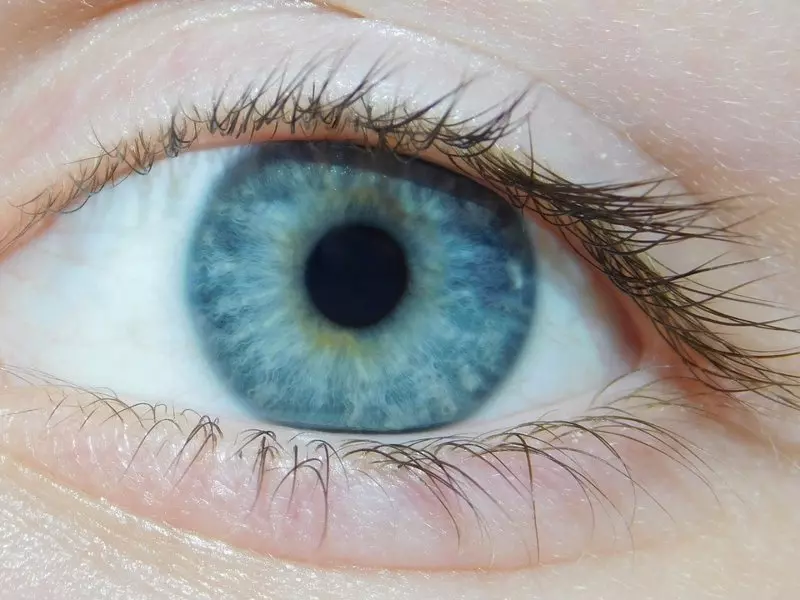
Rare Eye Colors in the World
Eye colors are one of the most distinctive features that differentiate people from one another. Rare eye colors in the world emerge as a result of different genetic combinations and inherited characteristics. Although common eye colors include brown, blue, and green, some people possess much more unusual shades.
What Are Rare Eye Colors in the World?
Among the rare eye colors found around the world are amber, gray, hazel, and red. Amber eyes attract attention with tones that range between golden yellow and copper. Gray eyes usually appear as a mixture of blue and green shades, often giving a cloudy appearance. Hazel eyes emerge from a blend of brown and green and can appear to change color depending on lighting conditions. Red eyes are extremely rare and usually occur as a result of genetic conditions such as albinism.
The rarity of these eye colors increases their attractiveness. For example, amber eyes can shine like gold in sunlight, creating a unique appearance. On the other hand, gray eyes often present a cool and deep gaze, which adds to their mysterious nature. The variability of hazel eyes allows them to appear in different tones under different lighting conditions.
People with rare eye colors often attract significant attention from those around them. Because these colors are uncommon, individuals with them are often perceived as more striking. Since eyes are one of the most expressive parts of the human face, rare colors can make these expressions even more noticeable.
Causes of Rare Eye Colors
The causes of rare eye colors are closely related to genetic factors. The primary factor that determines human eye color is the amount of melanin in the iris layer. Melanin is the main determinant of pigmentation and influences whether the eye color appears light or dark. As melanin levels decrease, eye colors tend to become lighter and rarer.
Genetic mutations also play an important role in the appearance of rare eye colors. For example, amber and gray eyes often occur due to specific genetic variations. These variations influence iris pigmentation and how light reflects from the eye, resulting in unique color tones.
In some cases, genetic conditions such as albinism may also lead to rare eye colors. Albinism is characterized by a lack of melanin production, which can cause the eyes to appear red or pink. These genetic conditions affect not only eye color but also the overall pigmentation of the individual.
People with Rare Eye Colors
People with rare eye colors often attract curiosity and admiration from those around them. Their eyes stand out due to their unique colors and depth. Shades such as amber or gray, in particular, often receive compliments from others.
These rare colors are usually the result of genetic inheritance within a family. If a rare eye color exists in one family member, it may also be passed down to future generations. However, in some cases, these eye colors may appear unexpectedly, even if they have not been seen in previous generations.
Individuals with rare eye colors often take pride in this unique trait. Their eye color becomes part of their personal identity, and its rarity may make them feel even more special within their social circles. People often show greater interest in individuals with rare eye colors, which can sometimes enhance social interactions.
Rare Eye Colors in the World: Legends and Myths
Rare eye colors have been associated with legends and myths throughout history. Amber, gray, and red eyes in particular have been linked with mystical and supernatural traits in various cultures. For instance, people with amber eyes were sometimes believed to have a special connection with animals, while gray eyes were associated with wisdom and mystery.
Legends often connected these eye colors with supernatural powers. In some cultures, red eyes were associated with mythological beings such as vampires or fairies. These stories contributed to the belief that people with rare eye colors were different or extraordinary.
Beyond myths, rare eye colors have also attracted the interest of scientists. Research on the genetic structure of eye color and the evolutionary advantages of these rare shades helps us understand how such colors appeared in past human populations. These insights reveal how people with rare eye colors have been perceived throughout history and how these perceptions have influenced societies.
Choosing Glasses and Contact Lenses for Rare Eye Colors
For people with rare eye colors, choosing the right glasses and contact lenses can help highlight these unique shades even more. When selecting eyeglass frames, it is important to choose tones that complement and emphasize your eye color. For example, warm tones may suit amber eyes, while cooler tones may be ideal for gray eyes.
Similarly, contact lenses can make your eye color more noticeable. By using colored lenses, you can either change your eye color or enhance your natural shade. This can be particularly useful when you want your eyes to stand out more during special occasions or in everyday life.
Another important factor to consider when choosing glasses and lenses is comfort and eye health. Your glasses should fit your face well, and lenses should not compromise your eye health. For this reason, consulting an eye care professional when choosing glasses or lenses can help you achieve the best results.
 Call
Call
 Whatsapp