
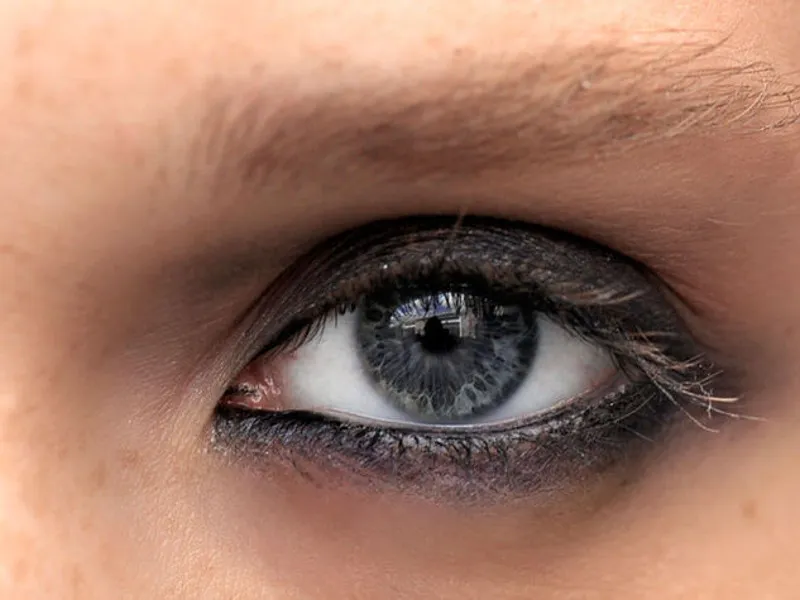
Rare Eye Colors in Humans
Eyes not only reflect our personality and identity, but they are also a part of our genetic heritage. Most people have brown or blue eyes, but there are also less common eye colors around the world. These rare colors attract attention and spark curiosity. Among the rare eye colors in humans are shades such as amber, green, gray, and violet.
What Are Rare Eye Colors in Humans?
Rare eye colors occur as a result of genetic structure and are seen in a very small portion of the world’s population. For example, green eyes are found in only about 2% of the global population. This eye color forms through a combination of melanin levels and the way light reflects within the eye. Amber eyes are even rarer and appear in a golden yellow or copper-like tone.
Gray eyes have a paler tone due to lower melanin levels. These eyes may appear blue or green depending on how light scatters at different angles. Violet eyes are even more uncommon and are generally associated with genetic conditions such as albinism. This eye color occurs due to low melanin levels and the reflection of blood vessels within the eye.
The primary factor determining eye color is genetics. The genes inherited from our parents influence melanin levels and therefore our eye color. However, environmental factors and certain health conditions may also cause eye color to change over time.
Factors Influencing the Formation of Rare Eye Colors
Genetic factors are the most decisive element in eye color formation. Melanin is the main pigment responsible for eye color, and its density varies depending on the color. Brown eyes contain high levels of melanin, while blue eyes contain much less. Genetic diversity leads to the emergence of different eye colors.
Environmental factors can also influence eye color. Especially in infants, eye color may change during the first years after birth. These changes are related to increases or decreases in melanin production over time. Additionally, certain health conditions or aging processes may also affect eye color.
In some cases, eye color may change permanently. For example, health conditions such as Horner syndrome or Fuchs heterochromic iridocyclitis may lead to changes in eye color. However, for most individuals, eye color is determined at birth and remains largely stable throughout life.
Laser Eye Color Change: Procedure and Results
For those who want to permanently change their eye color, laser eye color change may be an option. This procedure is performed using a laser that targets pigment in the iris and reduces melanin levels. In large cities such as Ankara, such procedures have become increasingly popular.
The procedure generally takes only a few minutes and is considered minimally invasive. The laser breaks down melanin pigment in the iris, helping the eyes transition to a lighter shade. After the procedure, the new eye color usually becomes noticeable within a few weeks. There are important considerations to follow during the recovery period.
However, as with any medical procedure, laser eye color change carries certain risks. Complications such as infection, increased intraocular pressure, or permanent vision loss, although rare, may occur. Therefore, if such a procedure is being considered, it is important to conduct thorough research and consult with a qualified specialist.
Psychological Effects of Rare Eye Colors
Eyes play an important role in social interactions, and rare eye colors often attract attention. People with unique eye colors may feel more distinctive or special. This can increase self-confidence and have positive effects on social relationships.
However, having a rare eye color may also have negative psychological effects. Especially during childhood, individuals with uncommon eye colors may experience peer bullying or feelings of exclusion. Such experiences can negatively impact self-esteem and lead to social anxiety.
In conclusion, rare eye colors may create both positive and negative psychological effects. These effects vary depending on an individual’s environment, personal experiences, and self-perception. Regardless of eye color, it is important for individuals to feel at peace with themselves and embrace their differences.
 Call
Call
 Whatsapp