
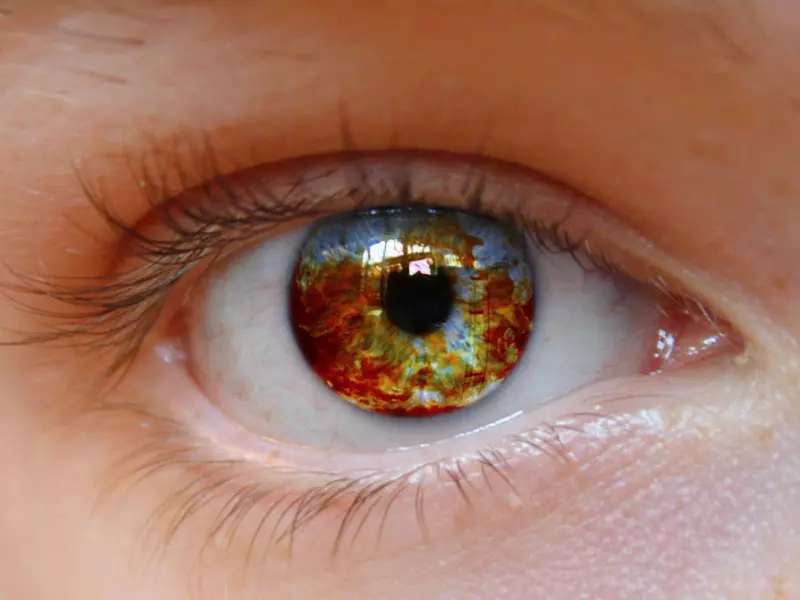
Rare Eye Colors Found in the World
Eye color plays an important role in a person’s aesthetic appearance, which is why many people are interested in the rarity and uniqueness of eye colors. Rare eye colors found in the world are colors seen in only a small number of individuals and are generally explained by genetic factors. These colors differ from standard eye colors such as blue, brown, and green, making them particularly eye-catching.
Among rare eye colors are shades such as amber, gray, purple, and red. These colors appear as a result of specific genetic combinations and are rarely encountered. Genetic mutations, melanin levels, and differences in iris structure may all contribute to the formation of rare eye colors. The diversity of eye color clearly demonstrates the complexity of genetic factors and the variety found in nature.
So why do rare eye colors attract so much attention? People are generally interested in things that are uncommon. This also applies to eye colors. Individuals with rare eye colors often stand out in their surroundings and hold a special place because of this feature. In addition, understanding the scientific reasons behind rare eye colors is an interesting subject of study.
Characteristics and Definitions of Rare Eye Colors
The characteristics of rare eye colors are based on various factors that distinguish them from others. For example, amber eyes often appear as a mixture of golden and yellow tones and have a very bright effect. This color forms as a result of low melanin levels in the iris combined with lipid pigments.
Gray eyes resemble blue eyes but have a more muted tone, often resembling the sky on a cloudy day. Gray eyes obtain this color due to light being refracted at different angles by structures within the iris. From this perspective, gray eyes are considered both rare and striking.
Purple and red eye colors generally occur due to genetic mutations and conditions such as albinism. Purple eyes appear purplish because of light scattering and reflection within the iris, while red eyes occur in albino individuals due to the visibility of blood vessels caused by the absence of melanin. These types of eye colors are extremely rare and are among the most fascinating topics in genetics.
Eye Color Diversity in Ankara
As the capital and one of the most populous cities in Türkiye, Ankara is a place where various cultures and genetic backgrounds come together. This diversity has contributed to a rich variety of eye colors in Ankara. Alongside standard brown, blue, and green eyes, rare eye colors can also be found.
The cosmopolitan structure of Ankara allows people from different ethnic backgrounds to live together. This increases genetic diversity and enables different eye color combinations to emerge. Especially in a city that has historically been a crossroads of cultures and civilizations, the effects of genetic heritage can be clearly observed.
Eye color diversity creates an aesthetic richness among people living in Ankara. This encourages many individuals to appreciate differences and value the beauty of rare eye colors. In addition, this diversity offers an interesting field for genetic research and demographic studies. If you live in or plan to visit Ankara, try noticing the striking eye colors around you.
Laser Eye Color Change: Process and Results
In recent years, technological advancements in eye color modification have allowed people to pursue changing their natural eye color. Laser eye color change is one of the most popular and modern methods developed in this field. This method is performed by effectively altering pigments on the iris using laser technology.
The process of laser eye color change is generally quick and painless. The laser applied to the front surface of the iris causes certain pigments to decrease or disappear. As a result, the eye color may shift to a lighter tone. However, the fact that this procedure produces permanent and irreversible results makes it an important decision that should be carefully considered beforehand.
Although laser eye color change offers aesthetic advantages, there are also potential risks and disadvantages. Careful monitoring of eye health after the procedure is important to prevent complications. For this reason, consulting a specialist doctor and evaluating all possibilities before deciding on eye color change is the most appropriate approach.
Rare Eye Colors in the World and Genetic Factors
Eye color is largely determined by genetic factors. Rare eye colors found in the world generally appear as a result of specific genetic combinations and mutations. The amount of melanin, differences in iris structure, and genetic mutations play key roles in eye color formation.
For example, blue eye color is usually associated with low melanin levels and occurs as a result of certain genetic variations. Green eyes, on the other hand, are considered rare due to higher melanin levels and different pigment combinations. Advances in genetics help us understand how eye color forms and how rare colors emerge.
Beyond genetic factors, environmental influences and age may also cause eye color to change over time. However, genetic inheritance remains the dominant factor affecting eye color. Therefore, studying and understanding rare eye colors scientifically is an important part of genetic research.
Eye Color Change Methods: Advantages and Disadvantages
Eye color change methods have become increasingly popular due to aesthetic concerns and personal preferences. However, each method has its own advantages and disadvantages. Laser eye color change is one of the most common and modern techniques, but other methods also exist.
Colored Contact Lenses:
These lenses offer a temporary solution and are available in various colors. Their advantage is that users can change their eye color whenever they want. However, if lenses are not cleaned regularly or used properly, eye health may be at risk.
Surgical Methods:
Surgical options such as iris implants provide an alternative for those seeking permanent change. However, these methods are generally riskier and carry a possibility of complications. The recovery period after surgery should also be taken into consideration.
Laser Eye Color Change:
As mentioned earlier, this method offers permanent results and may be aesthetically satisfying. However, since the procedure is irreversible, careful evaluation is necessary before making a decision.
Before deciding to change your eye color, it is important to carefully consider the advantages and disadvantages of each option. This will help you make the right decision both in terms of aesthetic outcomes and eye health. Remember, our eyes reflect not only our appearance but also our health and personality.
 Call
Call
 Whatsapp