
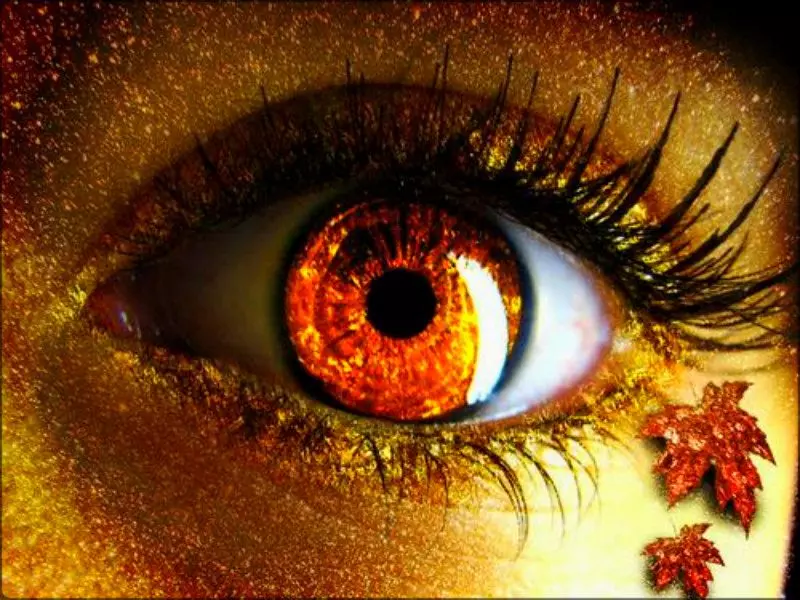
Rare and Unheard-of Eye Colors
Eye color is one of the most striking physical features of an individual. While common eye colors such as brown, blue, and green are widely recognized, some rare and lesser-known eye colors spark curiosity among people. These unusual eye colors may emerge due to less common genetic combinations and environmental influences.
What Are Rare and Unheard-of Eye Colors?
Rare eye colors are those that are not commonly encountered and typically arise from specific genetic variations. These may include shades such as gray, amber, or even violet. Due to their rarity, these eye colors give individuals a unique appearance and are sometimes associated with mythological or mystical qualities.
Eye color is influenced not only by genetics but also by environmental factors. For example, certain lighting conditions or internal biological changes can cause subtle shifts in eye color appearance. It is rare for two individuals to have exactly the same eye tone, which makes these uncommon eye colors even more distinctive.
People with rare eye colors often attract attention within their communities. As a result, they may experience unique social and psychological dynamics.
Characteristics of Rare Eye Colors
Rare eye colors stand out not only because of their scarcity but also due to their unique characteristics. These eyes are often more sensitive to light and may appear in different shades under varying lighting conditions. For instance, amber eyes may appear golden in daylight but take on a darker tone in dim environments.
It has also been observed that individuals with rare eye colors often have lower levels of melanin pigment compared to those with darker eyes. This may cause increased light sensitivity and occasional discomfort in bright conditions. At the same time, reduced melanin can make the eyes appear brighter and more vivid.
Beyond aesthetics, rare eye colors often become part of a person’s identity. Individuals with such distinctive traits frequently draw attention and may leave a memorable impression.
Rare Eye Colors and Genetic Factors
Eye color is a genetic inheritance determined by genes passed from parents to children. Rare eye colors usually result from uncommon genetic combinations. Multiple genes interact in complex ways to produce eye color, sometimes leading to unexpected outcomes.
Scientists studying genetics aim to better understand how these rare colors develop. In particular, the OCA2 and HERC2 genes play significant roles in eye color formation. Variations in these genes are critical in the emergence of uncommon eye shades.
In addition to genetics, environmental influences may also affect eye color. Certain medical conditions or medications can lead to temporary or permanent changes in eye color. Therefore, eye color should not be viewed as purely genetic; environmental factors can also contribute.
Information About Rare Eye Colors in Ankara
As a city that hosts diverse cultural backgrounds, Ankara is home to individuals with various genetic origins. This diversity increases the likelihood of encountering rare eye colors within the city. While brown eyes are the most common eye color in Türkiye, it is possible to come across gray or amber eyes in large metropolitan areas such as Ankara.
Universities and research institutions in Ankara conduct significant studies in the field of genetics. These studies help us better understand the genetic foundations of rare eye colors and their distribution within society.
Eye clinics and specialists in the city may provide consultation and healthcare services tailored to individuals with uncommon eye colors. These services aim to support eye health and address potential sensitivities associated with lighter pigmentation. Individuals living in Ankara who have rare eye colors may consider professional guidance to maintain optimal eye health.
Laser Eye Color Change Methods
In recent years, advancements in aesthetic medicine have made laser eye color change procedures increasingly popular. These methods are typically preferred by individuals who are not satisfied with their natural eye color or who desire a different shade. Laser eye color change works by targeting melanin pigment in the eye to create a lighter appearance.
The procedure is generally considered short and minimally invasive. However, it may not be suitable for everyone and should always be evaluated by a qualified medical professional. Before the procedure, an individual’s overall health and eye structure must be carefully assessed.
Although chosen for aesthetic reasons, potential risks should not be overlooked. While the procedure is often described as safe under appropriate medical conditions, side effects and complications remain possible. Therefore, anyone considering this option should conduct thorough research and consult a specialist beforehand.
The Laser Eye Color Change Process
The laser eye color change process consists of several stages and is typically performed in a professional clinical setting. In the first stage, a medical evaluation is conducted to determine whether the individual is a suitable candidate. This assessment is essential for protecting eye health.
In the second stage, the procedure is scheduled and performed. During the treatment, specific wavelengths of laser light are used to target the melanin pigment in the eye. The process usually lasts only a few minutes and is often described as painless, although mild discomfort may occur afterward.
The final stage involves the recovery period. During this time, certain precautions may be necessary to protect the eyes. The physician provides guidance regarding medications and post-procedure care. The final eye color result may take several weeks to stabilize. Following medical advice carefully during this period is crucial.
Rare Eye Colors and Personality
For many people, eye color is more than just a physical characteristic; it is often associated with personality traits. Individuals with rare eye colors are sometimes believed to possess particular characteristics. For example, those with gray eyes are often described as mysterious and introverted, while individuals with amber eyes may be perceived as energetic and outgoing.
Although such generalizations are not scientifically definitive, they are widely accepted in social contexts. The perceived connection between eye color and personality can influence how individuals view themselves and how they are perceived by others.
People with rare eye colors often attract attention in social settings, which may influence their social interactions. By embracing their unique appearance, they may feel more confident and comfortable expressing themselves.
 Call
Call
 Whatsapp