
Pupil Colors
The eyes are one of the most striking features of a person, and pupil color enhances this effect even further. But what exactly are pupil colors, and why are they so important? In this article, we will explore the fascinating world of pupil colors.
What Are Pupil Colors?
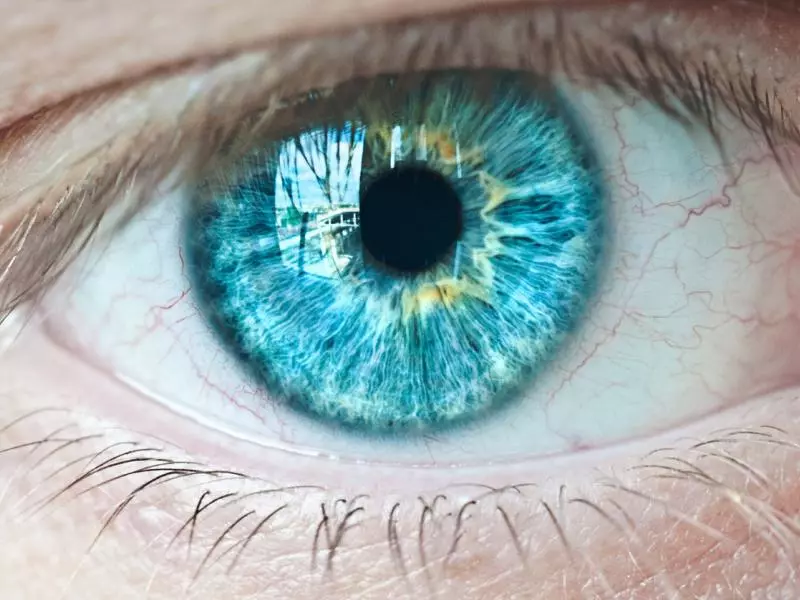
Pupil color is actually determined by the iris. The iris is the colored part of the eye, and its shade depends on the amount of melanin it contains. Pupil colors commonly include brown, blue, green, hazel, and rarer tones. Each results from a different genetic combination.
Two main pigments play a role in forming these colors: eumelanin and pheomelanin. Eumelanin creates darker shades, while pheomelanin contributes to lighter and yellowish tones. The ratio of these pigments determines our eye color. Although eye color is generally inherited, it may vary due to environmental factors and aging.
Eye color is considered a genetic trait and can differ from family to family. A grandparent’s eye color may appear in a child, but unexpected combinations are also possible. The complexity of genetics makes precise predictions difficult.
The Importance of Pupil Colors
Beyond aesthetics, pupil colors also carry social and cultural meanings. Throughout history, certain eye colors have been associated with specific traits in different societies. For example, blue eyes were once perceived as distant or cold, while brown eyes were often viewed as warm and friendly.
Eye color also forms part of personal identity. For many people, it becomes a defining feature. Compliments or comments about eye color can influence self-confidence. Therefore, pupil color plays a role in how individuals perceive themselves and how they are perceived by others.
Eye contact is a powerful communication tool, and eye color can enhance its impact. Different shades may evoke different emotional responses, influencing social interactions.
Pupil Colors and Personality Analysis
There are many beliefs and theories suggesting a connection between eye color and personality. While these ideas are not scientifically proven, they remain popular and intriguing.
Personality Traits by Eye Color:
Brown Eyes: Often described as sincere, loyal, and trustworthy. Individuals with brown eyes may display strong leadership qualities.
Blue Eyes: Associated with calmness and empathy. Blue-eyed individuals are often believed to have high emotional intelligence.
Green Eyes: Frequently described as mysterious and creative. Green-eyed individuals may have innovative and artistic perspectives.
Hazel Eyes: Considered adventurous and energetic. People with hazel eyes are often seen as spontaneous and adaptable.
Although these generalizations are entertaining, personality is shaped by far more complex factors. Eye color alone does not define character.
Different Pupil Colors and Their Characteristics
Eye colors vary worldwide, each with unique features:
Brown Eyes: The most common eye color, containing a high concentration of melanin. This provides greater resistance to sunlight. Brown-eyed individuals are often perceived as warm and approachable.
Blue Eyes: Found in a smaller portion of the global population, blue eyes contain less melanin and are more common among individuals of Northern European descent.
Green Eyes: A rare eye color typically found in Central and Southern Europe. Green eyes are often considered uniquely captivating and even mystical.
Hazel Eyes: A dynamic blend of brown and green tones, hazel eyes may appear to change depending on lighting conditions.
Eye color reflects genetic diversity and carries both aesthetic and cultural significance.
The Genetic Foundations of Pupil Colors
Eye color is inherited from parents through a complex genetic process involving multiple genes. Two key genes, OCA2 and HERC2, play crucial roles in determining eye color.
The OCA2 gene influences melanin production and affects the darkness of the iris. The HERC2 gene regulates OCA2 activity. The interaction between these genes helps determine whether eyes appear blue, brown, green, or hazel. Due to genetic complexity, unexpected variations can occur.
While genetics provides the foundation, environmental and biological factors may also influence the final outcome. For this reason, eye color is considered a complex trait.
Changes in Pupil Colors
Eye color is typically stable after early childhood, but changes can occur in certain situations. Many babies are born with lighter eyes that may darken as melanin production increases during the first few years of life.
In adults, eye color changes are less common but can happen. Aging may cause the eyes to appear slightly paler. Certain health conditions or medications may also influence eye color.
Temporary changes can also be achieved through contact lenses or cosmetic enhancements. These methods are popular among individuals who want to experiment with different shades.
The Relationship Between Pupil Colors and Health
Eye color is not only aesthetic; it may also relate to certain health factors. Research suggests that lighter-colored eyes may be more sensitive to ultraviolet (UV) light due to lower melanin levels, potentially increasing vulnerability to certain eye conditions.
Eye Color and Health:
Light-Colored Eyes: Blue and green eyes provide less natural protection from sunlight. Wearing sunglasses is recommended for protection.
Dark-Colored Eyes: Brown eyes offer more protection from UV rays but are not immune to eye conditions.
Sudden Eye Color Changes: A sudden change in eye color may signal an underlying health issue and should be evaluated by an eye specialist.
Eye health can reflect overall health. Changes in the eyes may indicate other medical conditions in the body.
Interesting Facts About Pupil Colors
There are many fascinating facts about eye color:
-
Red or Violet Eyes: Rare genetic conditions such as albinism may cause eyes to appear red or violet due to visible blood vessels.
-
Heterochromia: A rare condition in which a person has two different eye colors.
-
Asian and African Populations: Darker eye colors are more common in these regions, offering stronger protection against intense sunlight.
Eye color is far more than an aesthetic trait; it is a complex characteristic shaped by genetics, health, and cultural meaning.
 Call
Call
 Whatsapp