
Probability of a Child’s Eye Color
Eye color is one of the physical traits that attracts attention and curiosity among individuals. One of the questions parents frequently ask is: what is the probability of a child’s eye color? The genetic structure of eye color and the eye colors of the parents play an important role in determining a child’s eye color. In this article, we will discuss how eye color forms, how genetic factors influence it, and information that may help you estimate your child’s eye color.
What Is the Probability of a Child’s Eye Color?
Eye color generally appears in shades such as brown, blue, green, and sometimes hazel. Each eye color results from specific genetic combinations. To understand your child’s possible eye color, it is important to know the eye colors of the parents. This information provides a starting point for understanding the genetic structure of eye color.
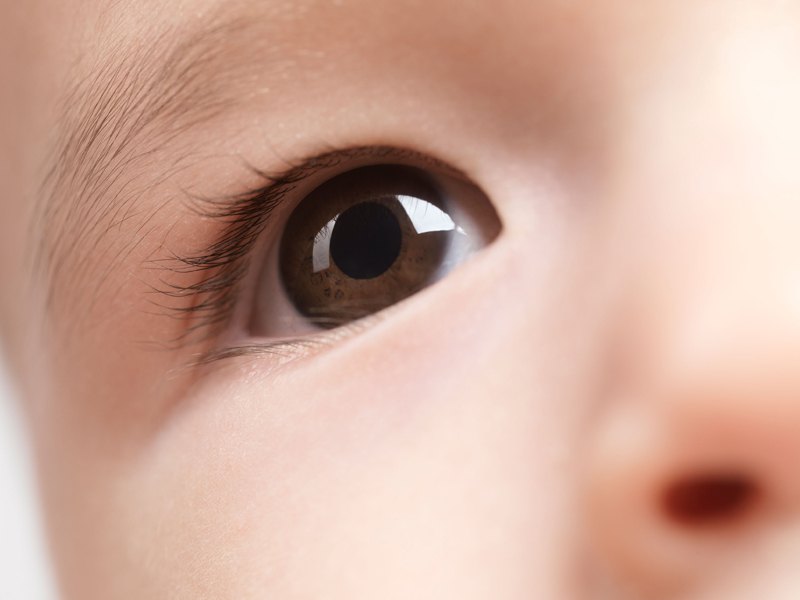
When babies are born, their eyes usually appear lighter in color. This is because the pigment called melanin has not yet fully developed. Over time, as the level of this pigment increases, the eye color becomes more defined. Eye color typically becomes clear within the first few years of life. However, in some cases, eye color may continue to change as the child grows.
Many factors influence the probability of eye color. These include dominant and recessive gene traits, genetic mutations, and environmental influences. For this reason, it is difficult to predict a child’s eye color with 100% certainty, but it is possible to estimate probabilities using genetic information.
The Genetic Structure of Eye Color
Eye color is a reflection of genetic inheritance. The most important factor determining eye color is a pigment called melanin. The level of melanin is responsible for the color in the iris layer of the eye. High levels of melanin lead to darker eye colors, while lower levels produce lighter eye colors.
Genetically, eye color is mainly influenced by two genes: OCA2 and HERC2. These genes interact with several other genes that affect eye color. For example, the OCA2 gene controls melanin production, while the HERC2 gene regulates this production. The combination of these two genes plays a key role in determining eye color.
The inheritance of eye color generally follows Mendelian inheritance principles. The combination of dominant and recessive genes helps estimate a child’s eye color. For example, brown eye color is usually dominant, which means that if one parent has brown eyes, the child is more likely to have brown eyes as well.
The Influence of Parents’ Eye Color on the Child
Parents’ eye color is an important factor in determining the probability of a child’s eye color. If both parents have the same eye color, the likelihood that the child will have the same eye color is higher. However, if the parents have different eye colors, the child’s eye color may be more varied.
For example, if one parent has blue eyes and the other has brown eyes, the child is more likely to have brown eyes. However, genetic combinations and the presence of recessive genes can also increase the possibility of a blue-eyed child. Therefore, eye color inheritance depends not only on the parents but also on the genetic heritage of previous generations.
In addition to parental eye color, genetic mutations can also affect eye color. These mutations may sometimes result in unexpected eye colors. Therefore, parents’ eye colors do not always determine a child’s eye color with certainty, but they can serve as a strong predictive factor.
Calculating Eye Color Probability
Calculating eye color probability requires understanding genetic information and inheritance patterns. These calculations are often made using a probability table or a Punnett square. These methods help estimate a child’s eye color by considering the parents’ eye colors and possible genetic combinations.
Eye Color Probability Table
| Parent 1 | Parent 2 | Possible Eye Colors |
|---|---|---|
| Brown | Brown | 75% Brown, 18% Green, 7% Blue |
| Brown | Blue | 50% Brown, 50% Blue |
| Blue | Blue | 99% Blue, 1% Other |
This table serves as a general guideline, and individual variations should be considered. Genetic counseling services may recommend genetic testing to provide more precise predictions.
Punnett squares calculate the possible phenotypes of children using the parents’ genotypes. They illustrate the combinations of dominant and recessive genes that determine eye color. Punnett squares are especially useful tools for parents with knowledge of biology and genetics.
The Role of Key Genes
The genes that play a key role in determining eye color are OCA2 and HERC2. These genes influence the amount of melanin in the eye, thereby determining eye color. The OCA2 gene promotes melanin production, while the HERC2 gene is critical in regulating this process.
OCA2 Gene
-
Increases melanin production
-
Associated with brown eye color
-
Less active in blue and green eye colors
HERC2 Gene
-
Regulates melanin production
-
Modulates the effect of the OCA2 gene
-
May contribute to diversity in eye color
In addition to these genes, other genes can indirectly influence eye color. For example, genes such as SLC24A4 and TYR play roles in melanin biosynthesis and therefore affect eye color. The complex interaction of these genes results in the wide variety of eye color shades.
Eye Color Changes in Children
Children’s eye color can change significantly during the first few years after birth. At birth, the eyes often appear lighter and may become darker over time. This process is related to the increase in melanin production.
Eye color changes usually stabilize by the age of two, but in some children the process may take longer. In some cases, slight changes can even be observed until adolescence. The speed and degree of these changes may be influenced not only by genetic factors but also by environmental elements.
It is important for parents to observe changes in their child’s eye color. If an unusual change is noticed, consulting an eye doctor may be helpful. Changes within normal limits are generally not a cause for concern and are a natural result of genetic inheritance.
 Call
Call
 Whatsapp