
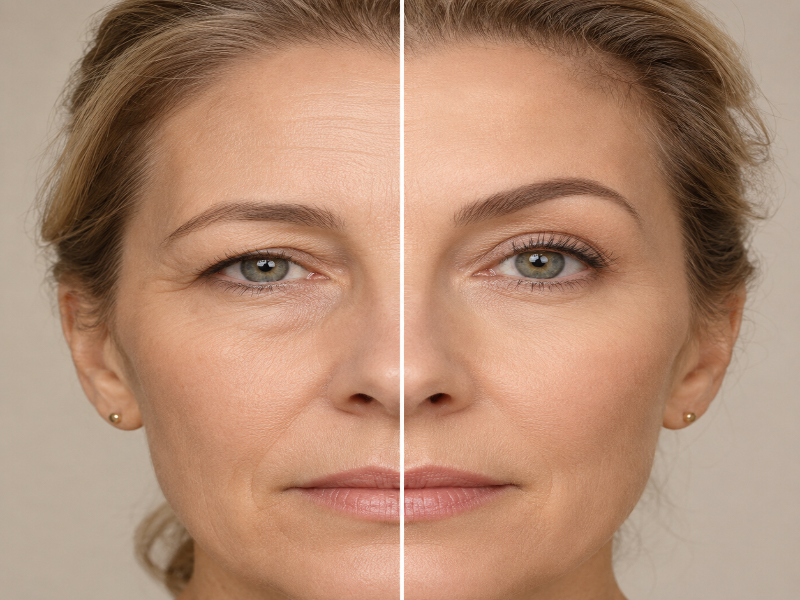
Pre-Brow Lift Evaluation
Pre-brow lift evaluation is an important stage performed before starting the aesthetic surgery process. This evaluation includes a detailed examination of the person’s facial structure, brow level, and eye area. In this way, the most suitable procedure plan for the individual can be created more accurately. For both the surgeon and the patient, this preliminary evaluation is a critical step for proper planning of the process.
The preoperative evaluation process aims to understand the patient’s wishes and expectations. At this stage, the desired change in daily life, the targeted appearance in facial expression, and the expectations from the procedure are evaluated. In addition to personal expectations, achieving a balanced result that is compatible with the natural structure of the face is also important.
During the evaluation process, the patient’s general health condition is also taken into consideration. Previous medical history, existing health problems, medications used, and previous aesthetic procedures may shape the surgeon’s recommendations. In this way, a safer and more personalized plan can be created in terms of both aesthetic expectations and health.
The Importance of Facial Structure
Examining facial structure forms the basis for proper planning of the brow lift procedure. Each individual has a different facial structure, and these differences must be taken into account in aesthetic surgery planning. Overall facial symmetry, the natural position of the eyebrows, forehead structure, and eye area characteristics play an important role in the evaluation.
Detailed analysis of facial structure helps the surgeon determine the approach suitable for the individual. The structure of facial muscles, skin elasticity, and signs of aging are carefully examined before the procedure. These data guide which technique may be more appropriate and how the procedure should be planned.
As a result, evaluating facial structure is essential for targeting a natural and aesthetic appearance. When this evaluation process is combined with surgical planning, it may help achieve balanced and more natural results that are compatible with the person’s facial expression.
Evaluation of Brow Level
Brow level is one of the most prominent elements of facial expression. Therefore, before the brow lift procedure, the current position of the eyebrows is carefully evaluated. The effect of the eyebrows on the eyelids, the overall facial expression, and signs of aging are considered together.
The current level of the eyebrows may vary depending on the person’s age, facial anatomy, and skin structure. In some people, low eyebrows may create a tired or harsher expression. During the evaluation process, the ideal position of the eyebrows is determined, and which method may be more suitable to achieve this position is planned.
In this process, the surgeon’s experience and assessment of facial aesthetics are of great importance. Positioning the eyebrows at the correct level may help achieve a younger and more dynamic appearance. At the same time, preserving the person’s natural facial expression is important for more balanced aesthetic and functional results.
Analysis of the Eye Area
The eye area is one of the most important components of facial expression and should be carefully evaluated before the brow lift procedure. The condition of the eyelids, fine lines around the eyes, skin laxity, and signs of aging are considered within this analysis. In this way, the most appropriate approach to support the eye area during the procedure can be determined.
Skin elasticity around the eyes is one of the important factors affecting the result of the brow lift procedure. Detailed examination of skin structure helps the surgeon decide which technique to apply. This process is part of the procedure plan that aims to make the eye area appear more vibrant and balanced.
As a result, analysis of the eye area is an important step that completes the overall aesthetics of the face. Evaluations related to the eye area during procedure planning may contribute to a more natural and harmonious result. This process is one of the important elements that support patient satisfaction.
Tired-Looking Eyes and Their Causes
A tired-looking eye appearance is one of the common aesthetic concerns that many people feel uncomfortable with. Causes of this condition may include low eyebrows, skin laxity around the eyes, and a feeling of heaviness in the eyelids. Brow lift procedure may be considered to help reduce this appearance.
A tired-looking eye appearance may affect a person’s self-confidence and satisfaction with facial expression. Therefore, a detailed analysis of this issue is performed during the pre-brow lift evaluation process. After the causes of the tired appearance are identified, procedure options suitable for the person can be evaluated.
Treatment planning includes examining the skin structure around the eyes, muscles, brow position, and facial anatomy. This evaluation helps the surgeon determine which approach may be more appropriate. In this way, reducing the tired-looking appearance and achieving a more dynamic facial expression can be targeted.
Expectation Analysis and Patient Consultations
As with every aesthetic intervention, expectation analysis is of great importance before the brow lift procedure. Understanding what the patient expects from the procedure helps the surgeon make accurate planning. Therefore, consultations with the patient are an integral part of the evaluation process.
During the consultations, the desired change in the patient’s facial expression, the targeted appearance after the procedure, and whether the expectations are realistic are discussed. At the same time, the surgeon providing detailed information about the procedure helps the process progress more transparently and consciously.
Expectation analysis is a guide not only for aesthetic results but also for the postoperative recovery process. The patient’s return to daily life, points to consider during recovery, and possible limitations are also evaluated during these consultations. Open communication between the patient and the surgeon contributes to a healthier process.
Treatment Planning Process
Treatment planning is one of the most important stages of the brow lift procedure. This process includes the surgeon creating a procedure plan suitable for the patient’s facial structure, skin type, brow position, and expectations. Since each individual has different needs, planning should be personalized.
During treatment planning, the techniques that can be used, the approach to be applied during the procedure, and the postoperative recovery process are discussed in detail. This planning clarifies what both the surgeon and the patient should expect from the process. In this way, a more informed decision can be made before the procedure.
Open communication between the surgeon and the patient is important during the planning stage. The surgeon conducts a detailed consultation with the patient to understand expectations and evaluate the most suitable procedure options. This cooperation may help achieve more balanced and natural results after the procedure.
Specialist Doctor Evaluation
Specialist doctor evaluation is one of the important steps that should be performed before the brow lift procedure. This evaluation helps the surgeon understand the patient’s general health condition, aesthetic needs, and facial anatomy. The specialist doctor carefully analyzes the facial structure, current condition of the eyebrows, and eye area.
During the evaluation, the surgeon’s experience and expertise play an important role. Since each patient’s facial structure and needs are different, the surgeon should create a personalized plan by taking these differences into account. Detailed analysis in this process may contribute to achieving more controlled and balanced results after the procedure.
As a result, specialist doctor evaluation is a critical step that directly affects the planning of the brow lift procedure. The surgeon’s professional approach and communication with the patient allow more appropriate results to be targeted in terms of both aesthetics and function.
Things to Consider After Brow Lift Procedure
There are some important points to consider after the brow lift procedure. This process is important for healthier recovery and reducing possible complications. Post-procedure care should be carefully applied in line with the surgeon’s recommendations.
First, resting for the first few days after the procedure may be recommended. During this process, keeping the head elevated may help reduce swelling and bruising. Cold compress applications recommended by the surgeon may also support the recovery process. It is important to avoid heavy physical activities during the recovery period.
Finally, the follow-up appointments specified by the surgeon should not be neglected. These check-ups are important for monitoring the recovery process and evaluating whether there are any complications. Following the surgeon’s recommendations helps both health and aesthetic results be evaluated more accurately.
 Call
Call
 Whatsapp