
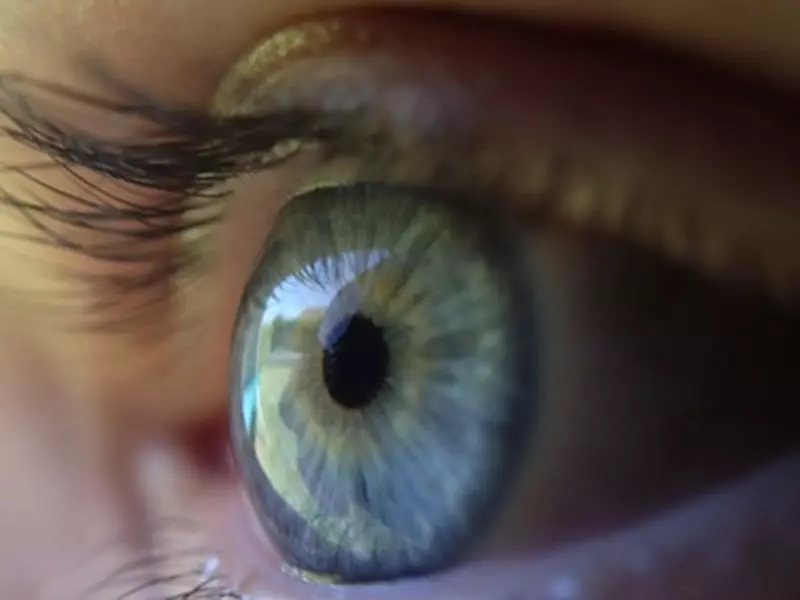
Pigment Deficiency in Colored Eyes
Pigment deficiency in colored eyes refers to a condition in which the pigments responsible for determining eye color are not present in sufficient amounts. This may cause the eyes to appear lighter or paler. It is generally associated with a reduced amount of melanin in the iris. Melanin is the primary pigment responsible for eye color, and a lower level may result in less pronounced color tones.
This pigment deficiency may result from genetic factors, environmental influences, or the natural aging process. Some people are born with lower pigment production, while others may experience pigment loss over time. It is more commonly observed in individuals with lighter eye colors.
Besides aesthetic effects, this condition may cause increased light sensitivity in some individuals. Pigment deficiency usually does not affect vision directly, but in some cases, reduced pigmentation may allow more light to enter the eye, leading to greater sensitivity.
Causes of Pigment Deficiency in Colored Eyes
Pigment deficiency in colored eyes may occur for various reasons.
Genetic Factors:
In many cases, this condition is related to genetic predisposition. A family history of similar traits may increase the likelihood of experiencing pigment deficiency. Genetic factors can influence how genes involved in melanin production function.
Environmental Factors:
Environmental influences may also contribute. Long-term exposure to sunlight may affect pigmentation over time. Nutritional deficiencies may also play a role in pigment production.
Aging Process:
Aging causes many biological changes, including possible reductions in eye pigmentation. As melanin production slows down with age, subtle changes in eye color may occur.
Understanding these causes is important for managing the condition. With proper diagnosis and medical evaluation, its effects may be reduced.
Symptoms of Pigment Deficiency in Colored Eyes
Symptoms can vary between individuals, but common signs include:
Lighter Eye Color:
Eyes may appear paler or lighter than usual due to reduced melanin levels.
Light Sensitivity:
Melanin helps protect the eyes from light. Individuals with pigment deficiency may experience increased sensitivity, especially in bright environments.
Brightness in the Eyes:
Reduced pigmentation may create a brighter appearance, which can be more noticeable in flash photography.
If these symptoms are present, consulting an eye specialist may be helpful. Early evaluation can support appropriate management.
Laser Eye Color Change Methods
Laser eye color change has become increasingly popular as an aesthetic procedure. It may be considered by some individuals, including those with pigment-related concerns.
Laser Technology:
In this method, pigments in the iris are targeted using laser energy. The laser reduces pigment, which may make lighter tones more visible. The procedure may require multiple sessions, and results can vary.
Safety and Effectiveness:
As with any medical or aesthetic procedure, laser eye color change involves potential risks and side effects. A detailed medical evaluation and discussion with a qualified specialist are important before considering treatment.
Results and Expectations:
Outcomes may differ from person to person. Understanding possible results and side effects beforehand is essential.
There are clinics in Ankara offering consultation and evaluation for such procedures. A detailed medical assessment is recommended before proceeding.
Laser Eye Color Change Process
The laser eye color change process generally includes several stages:
Pre-Evaluation:
Before the procedure, a detailed eye examination is performed by a specialist. Overall health, eye structure, and possible risks are assessed, and expectations are discussed.
Procedure Stage:
The procedure is usually performed under local anesthesia. During treatment, laser technology is used to target pigment in the iris. The process typically lasts around 20–30 minutes.
Recovery Period:
After the procedure, mild discomfort or redness may occur temporarily. Eye drops or other medications may be recommended to support recovery. Eye protection may also be advised.
Each stage should be monitored by qualified professionals.
Frequently Asked Questions About Pigment Deficiency in Colored Eyes
Is this condition permanent?
Pigment deficiency is generally long-term, although its effects may be managed depending on the individual case.
Does pigment deficiency affect vision quality?
It usually does not directly affect vision, but increased light sensitivity may occur.
Which clinics in Ankara provide treatment?
Many eye clinics in Ankara offer evaluation and consultation regarding pigment-related concerns and aesthetic procedures. Choosing a qualified specialist is important.
For personalized advice and evaluation, consulting an eye specialist is recommended.
 Call
Call
 Whatsapp