
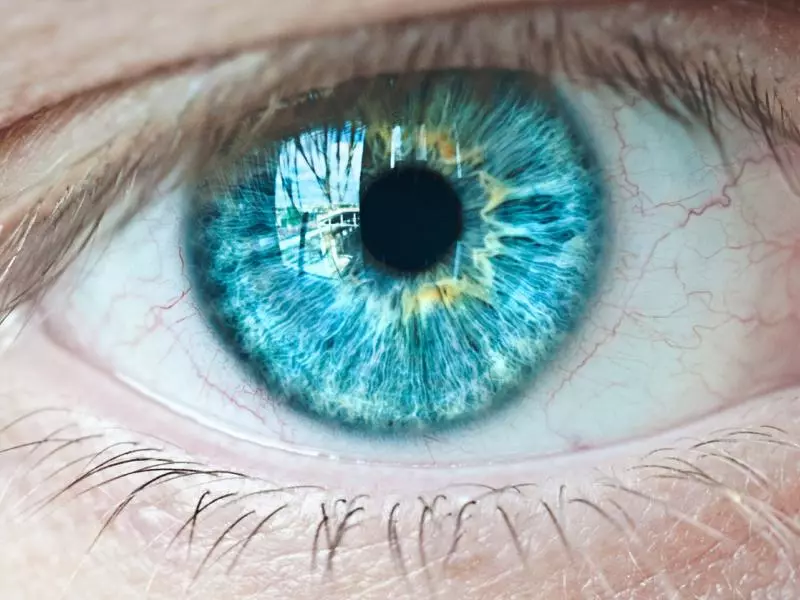
People’s Eye Colors
People’s eye colors are determined by the pigmentation of the colored part of the eye called the iris. The iris can appear in different shades depending on the amount of melanin pigment that gives the eye its color. Eye color generally appears in shades such as brown, blue, green, hazel, or gray. Eyes with a high amount of melanin appear darker, while those with less melanin appear lighter.
The factors that determine eye color are not limited only to pigment quantity. The refraction and reflection of light also play an important role. Especially in light-colored eyes, how light passes through and reflects from the iris affects how the eye color is perceived. For this reason, some people’s eye color may appear different depending on lighting conditions.
Eye color may change over time from birth. Babies are usually born with blue or gray eyes, but as melanin production increases with age, their eye color may change. It may take several years for eye color to fully settle.
People’s Eye Colors and Genetic Factors
Eye color is part of our genetic heritage and is mostly determined by the genes we inherit from our parents. People’s eye colors are controlled by two main genetic factors. The combination of these genes determines how our eye color appears. In most cases, brown eye color is genetically dominant, so if one parent has brown eyes, the child is more likely to have brown eyes as well.
Genetic scientists state that eye color is a polygenic trait, meaning it is influenced by more than one gene. This explains why predicting eye color is so complex. For example, two blue-eyed parents may have a green-eyed child because gene combinations are quite diverse.
Genetic factors are not limited only to eye color. Our family history also influences other physical traits such as hair and skin color. As a result, eye color is just one part of our genetic heritage and a reflection of the complex genetic structure that makes us unique.
Eye Color Diversity in Ankara
Ankara, the capital of Türkiye, is known for its cultural diversity. This diversity is also reflected in the eye colors of the people living in Ankara. In this city where individuals from different ethnic backgrounds live together, eye color diversity is quite noticeable. Various eye colors such as brown, hazel, blue, and green reflect Ankara’s cosmopolitan structure.
With a high student population and people coming from different regions, eye color diversity in the city continues to increase. Especially on university campuses, it is possible to see many individuals with different eye colors. This situation is an indicator of cultural interaction and diversity within the city.
In Ankara, eye color diversity is not only an aesthetic feature but can also be a topic of conversation in social interactions. People with different eye colors may come together to celebrate diversity and appreciate differences. This further reinforces Ankara’s tolerant and inclusive structure.
Laser Eye Color Change: What Kind of Procedure Is It?
In recent years, laser eye color change has gained popularity. This procedure aims to change eye color by targeting pigments on the iris with laser beams. Since it does not require surgical intervention, it is preferred by many individuals. However, it should be remembered that this procedure may produce permanent results and is irreversible.
Laser eye color change may generally take several sessions. After each session, a noticeable lightening in eye color may occur. The procedure must be performed by a specialist ophthalmologist, and a detailed evaluation before the procedure is essential. Although it is not a surgical operation, caution is necessary to avoid risking eye health.
There are also potential risks and side effects of this procedure. Complications such as eye infections, light sensitivity, and vision problems may occur. Therefore, it is important to have a comprehensive discussion with your doctor and evaluate all risks before undergoing the procedure. A careful assessment is necessary to preserve the natural beauty of your eye color and avoid compromising your health.
The Psychological Effects of Eye Color
People’s eye colors also draw attention due to their psychological and social effects. Eye color plays an important role in first impressions and often leaves a certain impact on others. For example, blue eyes are generally perceived as sincere and warm, while brown eyes are associated with reliability and determination. These perceptions may be an important factor in social interactions and personal relationships.
The psychological effects of eye color are not limited to social perception. Eye color may also influence an individual’s self-confidence and self-esteem. Some people believe their eye color makes them feel unique and special, while others may not be satisfied with their eye color, which may affect how they express themselves.
Social psychologists state that eye color may have an influence on personality and that people may display different behaviors based on eye color. This emphasizes the importance of eye color in social and psychological dynamics. People’s eye colors may have a deep impact on how individuals perceive themselves and others.
Is There a Relationship Between Eye Color and Personality Traits?
The relationship between eye color and personality traits has long been a topic of debate. Some researchers suggest that there may be a connection between people’s eye colors and certain personality characteristics. For example, it is said that individuals with blue eyes are more creative and dreamy, while those with brown eyes are more practical and logical. However, such generalizations are not supported by scientific evidence.
These assumptions generally stem from social perceptions and cultural myths. Scientific research indicates that eye color does not have a direct effect on personality traits. Personality is shaped by a much more complex combination of genetic, environmental, and individual experiences.
As a result, eye color is not considered a determining factor in personality. However, eye colors may influence how people express themselves and interact with others. Therefore, the social and psychological effects of eye color should not be ignored. Although eye color does not directly determine personality, it may contribute to how individuals perceive themselves and others.
 Call
Call
 Whatsapp