


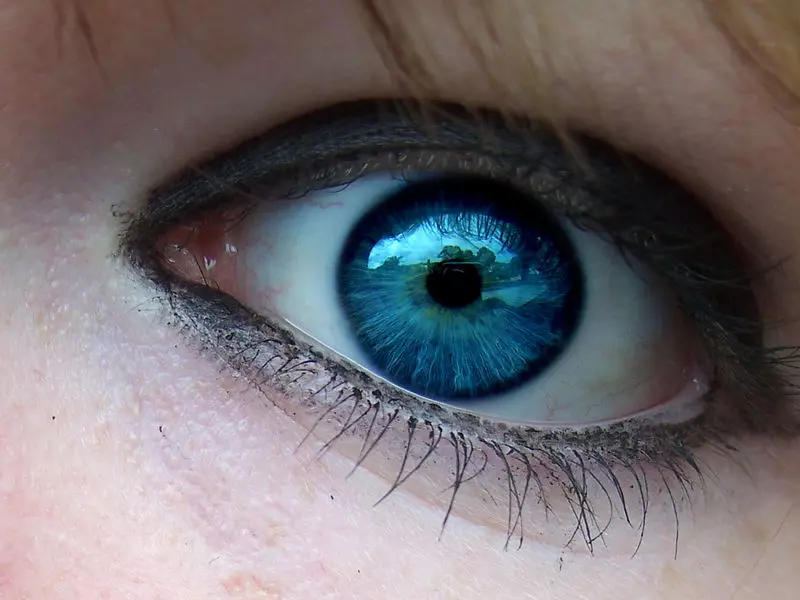
Blue eyes have been a fascinating center of attraction throughout various periods of history and cultures. Individuals with this eye color generally represent a smaller portion of the world population in terms of eye color diversity. Blue eyes are considered to have a mystical and attractive aspect. In both historical and cultural contexts, blue eyes are often accepted as a symbol of beauty and uniqueness.
The attractiveness of blue eyes may be related to their rarity in nature and their bright, deep color tones. In many cultures, blue eyes have attracted attention and have been the subject of legends. This eye color is especially more common in Northern Europe, but it is also seen in different ethnic groups around the world. The origin and spread of blue eyes have appeared in various geographies thanks to human migrations and genetic mixing.
Blue eyes can show different shades under different lighting conditions. This increases the aesthetic appeal of blue eyes. Individuals with blue eyes are generally considered striking in terms of appearance. However, blue eyes are not only aesthetic but also have a biological and genetic basis. This eye color is the result of a complex combination of biological and genetic factors.
Biological Basis of People with Blue Eyes
The biological basis of blue eyes arises from complex interactions of genes. The main factor determining eye color in humans is iris pigmentation. The colored part of the iris is determined by melanin production under the control of various genes. Blue eyes occur when melanin levels are low. Therefore, light is reflected differently from the eyes, resulting in a blue appearance.
Genetically, blue eyes are closely associated with the OCA2 and HERC2 genes. These genes play an important role in melanin production that affects iris pigmentation. Scientists suggest that blue eyes appeared approximately 6,000 to 10,000 years ago in a person living in Europe and that this mutation spread over time. This genetic change indicates that people with blue eyes share a common ancestor.
The biological structure of people with blue eyes is not limited to genetic factors alone. Environmental factors can also affect eye color. For example, different lighting conditions can change the perception of eye color. Additionally, processes such as aging can affect iris pigmentation. Therefore, the biology of blue eyes should be considered as a combination of genetic and environmental factors.
Differences Between People with Blue Eyes and Other Eye Colors
People with blue eyes have different biological characteristics compared to other eye color types. For example, blue eyes contain less melanin than brown eyes. This can make individuals with blue eyes more sensitive to light. For this reason, people with blue eyes should be more careful about sun exposure. The use of sunglasses can be effective in reducing this sensitivity.
However, the aesthetic appeal of blue eyes can create a striking color contrast. Especially in fair-skinned individuals, blue eyes stand out prominently. On the other hand, brown eyes are genetically more dominant and more common worldwide. Since brown eyes contain more melanin, they are more resistant to sunlight, making them more protected against environmental effects.
Green eyes, on the other hand, represent a transition between blue and brown eyes. This eye color contains a mixture of melanin levels found in both blue and brown eyes. Green eyes are rare and are generally more common in Ireland, Scotland, and Northern Europe. Each eye color carries unique characteristics and represents different genetic variations.
Famous Representatives of People with Blue Eyes
Throughout history, many famous and influential figures have been known for their blue eyes. Celebrities have contributed to the appeal of blue eyes and increased the popularity of this eye color. For example, Paul Newman, Elizabeth Taylor, and Frank Sinatra are icons known for their blue eyes. These individuals are recognized not only for their talents but also for their striking eye color.
Blue-eyed celebrities are not only present in the world of cinema and music but also in politics and science. Winston Churchill is another well-known figure remembered for his blue eyes. Throughout history, Churchill’s charismatic leadership and impressive gaze contributed to his importance on the world stage. Such examples show that blue eyes create not only an aesthetic but also a charismatic effect.
The popularity of blue-eyed celebrities continues to increase the appeal of blue eyes. With the rise of social media, individuals with blue eyes attract more attention, and this eye color holds an important place in beauty standards. However, every eye color carries its own beauty and uniqueness. What matters is that each individual embraces their own features and differences.