
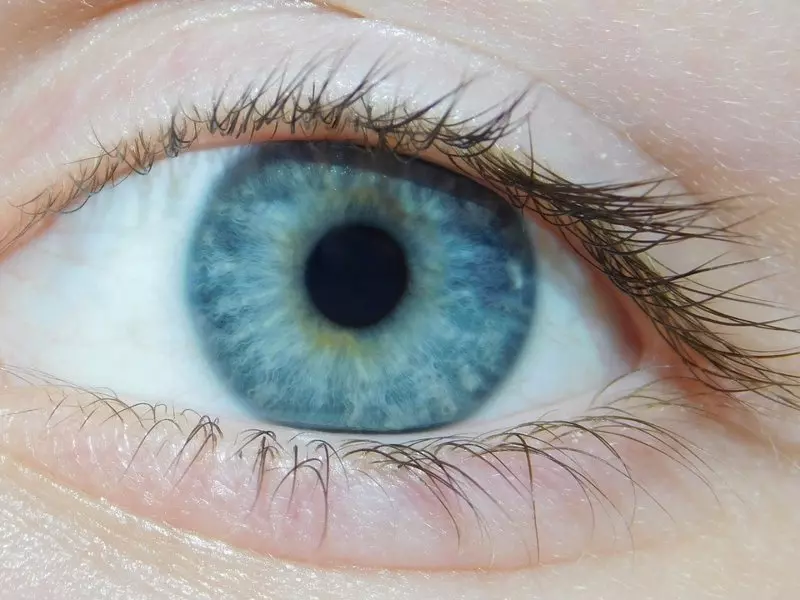
Origin of Blue Eyes
Eye color is an interesting part of the human genetic map, and the origin of blue eyes holds a special place in this context. Blue eyes are known as a striking and admired trait around the world. However, how this eye color first appeared and how it spread over time has long been a subject of scientific curiosity.
Scientific research suggests that the origin of blue eyes dates back approximately 6,000 to 10,000 years. The first blue-eyed individuals are believed to have lived in northwestern Europe during this period. The spread of genetic mutations over time and across different regions explains the presence of blue eyes today.
Although the emergence of blue eyes is considered a result of genetic diversity, its social and cultural reflections are also significant. Throughout history, blue eyes have carried different meanings in various regions and have been associated with numerous myths.
Genetic Structure of Blue Eyes
The genetic structure of blue eyes represents a small yet impactful part of the human genome. Eye color is determined by the pigmentation of the iris, the colored part of the eye. The primary factors behind blue eyes are mutations in the OCA2 and HERC2 genes.
The OCA2 gene plays an important role in melanin production, which determines eye color. A specific variation of this gene is critical in the formation of blue eyes. The HERC2 gene, on the other hand, can influence the activity of OCA2, leading to the development of blue eye color.
Geneticists have discovered that blue eyes likely originated from a single common ancestor. This suggests that blue-eyed individuals around the world are genetically connected. The effects of genetic diversity and mutations over time have led to the appearance of blue eyes in different shades and intensities.
Historical and Cultural Importance of Blue Eyes
Blue eyes have held a special place in many cultures throughout history. From Ancient Greece to medieval Europe, blue eyes have often been seen as a symbol of beauty and nobility. This perception led to the idealization of blue-eyed individuals in art and literature.
Beyond their historical importance, the cultural reflections of blue eyes are also noteworthy. In Europe especially, blue eyes have often been associated with royal families. This has contributed to a perception linking blue eyes with prestige and power.
Today, blue eyes continue to be highlighted in media and popular culture as an aesthetic feature. This ongoing emphasis keeps the fascination with blue eyes alive and sustains their historical and cultural significance.
The Role of Blue Eyes in Evolution
Understanding how eye color has changed through evolution provides valuable insights into human history. The evolutionary role of blue eyes is important for understanding how human populations spread and how genetic diversity developed.
The presence of blue eyes in evolutionary history dates back to early populations in northern Europe. The low-light conditions in these regions may have supported the development of blue eyes. In this context, possible evolutionary advantages include increased light sensitivity and improved vision in low-light environments.
However, the spread of blue eyes in the evolutionary process was also influenced by social and cultural interactions. The mixing of populations and increased genetic exchange contributed to the wider distribution of blue eyes across the world. This process highlights the importance of genetic interaction and diversity.
Health Considerations for Blue-Eyed Individuals
The health considerations of blue-eyed individuals are closely related to their genetic structure. Blue eyes contain less melanin compared to other eye colors. This makes blue-eyed individuals more sensitive to sunlight. Lower pigmentation allows ultraviolet (UV) rays to penetrate the eye more easily, which may increase the risk of certain eye conditions.
Conditions such as cataracts and macular degeneration may be more commonly observed in blue-eyed individuals. Therefore, it is important for them to take extra care of their eye health. Wearing sunglasses and having regular eye examinations can help reduce these risks.
However, overall health is not determined solely by eye color. In addition to genetic factors, environmental influences and lifestyle choices also play a significant role. For this reason, the health of blue-eyed individuals is closely linked to personal care and environmental conditions.
 Call
Call
 Whatsapp