
Orbital Cerrahi
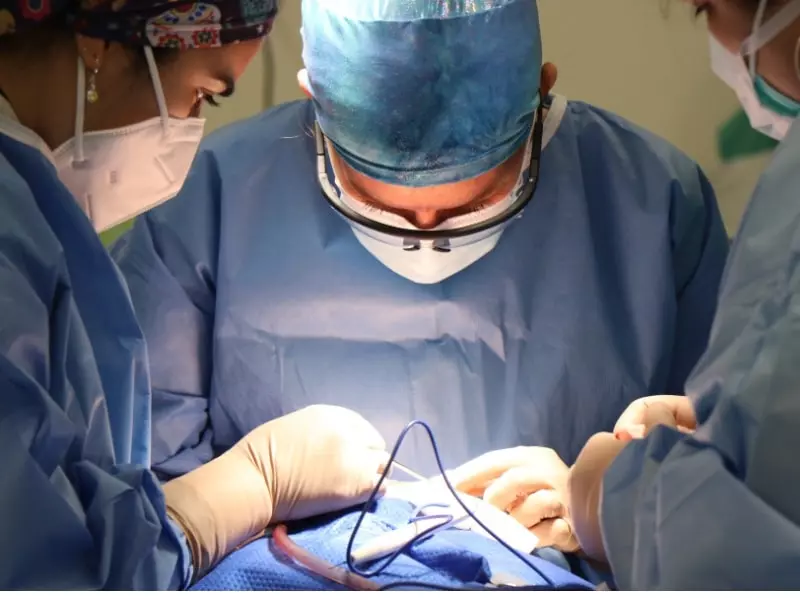
Orbital surgery is a branch of surgery performed to treat diseases and abnormalities in the eye socket, known as the eye socket. This type of surgery aims to improve the structures around the eyes both functionally and aesthetically. Problems around the eyes can seriously affect eyesight and quality of life; Therefore, orbital surgery is an essential medical intervention.
This surgery may be necessary to correct or reconstruct structures such as muscles, nerves, blood vessels and fat tissue in the eye socket. Orbital surgery is usually performed by ophthalmologists, who are ophthalmologists. These specialists are well-versed in the complex structure and functions of the eye and can therefore effectively treat problems around the eyes.
The interventions usually require advanced technology and expertise. A detailed evaluation is made before surgery and a personalized treatment plan is created for each patient. This process is critical for patients to get the best results.
Importance of Orbital Surgery
Orbital surgery is vital not only for aesthetic concerns but also for solving serious health problems. For example, increased pressure around the eyes due to tumors or infections can lead to vision loss. Such conditions can cause permanent damage if not treated with timely and correct surgical intervention.
Another important aspect of this surgery is the treatment of eye socket fractures that may occur as a result of trauma. After accidents, sports injuries or other traumatic events, serious damage can occur around the eyes. Orbital surgery is performed to correct such injuries and restore normal eye functions.
In addition, orbital surgery plays a major role in correcting congenital abnormalities . Congenital disorders that prevent the normal development of the structures around the eyes can be corrected by surgical intervention. This type of surgery provides both aesthetic and functional improvement.
In Which Situations Is Orbital Surgery Performed?
Orbital surgery may be necessary in various situations and these situations cover a wide range. Here are some situations where orbital surgery is commonly performed:
1. Tumors and Masses
Tumors around the eyes can be both benign (benign) and malignant (malignant). Such masses can affect eye functions and lead to aesthetic deformities. Surgical intervention is performed to remove the tumor and preserve the surrounding tissues.
2. Post-Traumatic Damage
Fractures, hematomas or other damage to the eye socket after an accident or impact may require immediate surgical intervention. This type of surgery is performed to reconstruct the anatomical structure around the eyes.
3. Infections
Severe infections around the eyes may require surgical intervention when they do not respond to antibiotic treatment. In this case, the aim is to clean the infected tissues and prevent the spread of infection.
Orbital Surgery Services in Ankara
Ankara is known for the advanced services it offers in the field of health. There are many health institutions and doctors specializing in orbital surgery in the city. Op. Dr. Hakan Yüzer, in particular, is one of the prominent names in this field and is a specialist preferred by many patients.
Health centers in Ankara are equipped with modern technology equipment and provide services with a wide range of expert staff to ensure that patients receive the best care. In these centers, patient satisfaction and safety are prioritized, and personalized treatment plans are prepared for each patient.
When choosing suitable centers and specialists for orbital surgery in Ankara, patients should also consider criteria such as the experience of the doctors and patient reviews. In this way, it is possible to reach the most accurate treatment.
Risks and Side Effects of Orbital Surgery
As with any surgical intervention, orbital surgery carries some risks and side effects. Knowing these risks and taking necessary precautions before surgery is important to prevent complications.
Possible Risks
- Infection: There is a risk of infection of the surgical site. Therefore, postoperative care and hygiene rules should be observed.
- Bleeding: Bleeding can occur during or after surgery. This condition can usually be controlled by the surgical team.
- Vision Loss: Although rare, damage to the eye structures during surgery can lead to permanent vision loss.
Side Effects
- Swelling and Bruising: Swelling and bruising may occur around the eyes after surgery. This usually goes away on its own within a few weeks.
- Pain and Discomfort: Postoperative pain and discomfort are normal and can be managed with painkillers.
Following all the instructions recommended by the doctor before and after surgery helps minimize these risks and side effects.
Recovery Process After Orbital Surgery
The recovery process after orbital surgery may vary depending on the patient's general health condition, the type and scope of the surgical procedure performed. However, in general, there are some points to consider during the healing process.
Things to Consider During the Healing Process
- Rest: Adequate rest after surgery helps speed up the healing process. Physical activities should be avoided and procedures that may cause eye strain should be avoided.
- Nutrition: A healthy and balanced diet positively affects the healing process. Foods rich in vitamin C and protein in particular help regenerate tissues.
- Medication Use: Medications prescribed by the doctor should be used in recommended doses and regularly.
Control and Follow-up
Regular postoperative check-ups are part of the recovery process. These check-ups allow for early detection and treatment of possible complications. It is of great importance to perform these checks within the time interval specified by the doctor.
Frequently Asked Questions About Orbital Surgery
There are many questions that patients and their relatives wonder about orbital surgery. Here are some of the frequently asked questions and their answers:
Is This Surgery Painful?
During the surgery, patients usually do not feel pain because they are under general anesthesia. However, there may be mild pain and discomfort after surgery. This situation can be controlled with painkillers recommended by the doctor.
Will There Be Any Scars After Surgery?
Postoperative scarring depends on the type of surgical intervention performed and the surgeon's experience. The risk of scarring is minimal in procedures performed by a specialist surgeon.
How long does recovery take?
Recovery time varies from person to person, but is usually completed within a few weeks. However, it may take several months for full recovery and results to become clear.
 Call
Call
 Whatsapp