


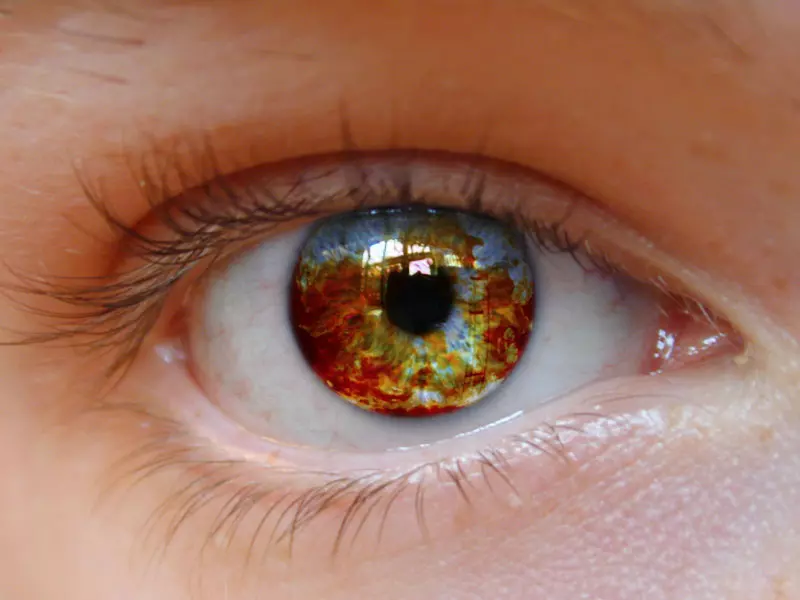
The condition where part of the eye appears a different color is known in medical literature as heterochromia. This occurs when two different colors are visible within the iris. Heterochromia usually results from differences in pigmentation and is considered a rare condition. There are two main types: complete heterochromia, where each eye is a different color, and partial heterochromia, where only a portion of one eye has a different color.
Heterochromia can be present from birth or develop later in life. Congenital heterochromia is usually caused by genetic factors, while acquired heterochromia may be associated with certain health conditions. Although it creates a noticeable aesthetic difference, it is often harmless. However, regular eye examinations are important to ensure there are no underlying health concerns.
Causes of Having Two Different Colors in One Eye
The causes of heterochromia vary and are generally linked to genetic, environmental, or traumatic factors. Natural heterochromia is often inherited and results from genetic diversity and differences in pigmentation. If one or both parents have heterochromia, it may also appear in their children.
Environmental factors can also lead to changes in eye structure. Eye injuries, trauma, or side effects of certain medications may cause changes in eye color. Additionally, some eye diseases or syndromes can result in heterochromia. Conditions such as Fuchs heterochromic iridocyclitis may lead to pigment changes, causing part of the eye to appear a different color.
Aging may also influence eye color. Over time, changes in pigmentation can occur naturally, leading to slight differences in eye color. If you notice any sudden or unusual changes, it is important to consult an eye specialist.
Genetic Factors and Heterochromia
Genetic factors are among the most common causes of heterochromia. This condition may result from variations in genes such as OCA2, which play a key role in melanin production. Changes in these genes can affect melanin levels in the eye, leading to variations in color.
Genetic heterochromia is usually noticeable from birth and remains throughout life. If one parent has heterochromia, the likelihood of it appearing in the child may increase. However, the exact inheritance pattern is not fully understood, and further research is still ongoing.
It is important to note that heterochromia is not limited to genetic causes. Environmental influences may also contribute, so any noticeable change in eye color should be evaluated by a specialist.
Health Effects of Heterochromia
Heterochromia is generally harmless and does not directly affect eye health. However, in some cases, it may be a sign of an underlying condition. If there is a sudden change in eye color, it should be assessed by an eye doctor.
Certain conditions, such as Fuchs heterochromic iridocyclitis or Horner syndrome, may cause pigment changes in the eye. These conditions can sometimes lead to symptoms like inflammation, pain, or vision problems. Therefore, if heterochromia is accompanied by other symptoms, medical attention should be sought promptly.
For most individuals, heterochromia is simply a unique aesthetic feature. Still, regular eye check-ups are important to ensure overall eye health.
Eye Care Tips for People with Heterochromia
People with heterochromia should follow standard eye care practices to maintain eye health. Regular eye examinations are essential for early detection of any potential issues.
Protecting the eyes from UV rays is also important. Wearing sunglasses can help shield the eyes from harmful sunlight. Additionally, proper nutrition and hydration support overall eye health. Foods rich in vitamin A can be beneficial for maintaining healthy vision.
Finally, giving the eyes regular rest and managing screen time is important. Prolonged screen use may cause eye strain and dryness. Techniques such as the 20-20-20 rule can help reduce eye fatigue. By incorporating these simple habits into daily life, individuals with heterochromia can maintain healthy and comfortable vision.