
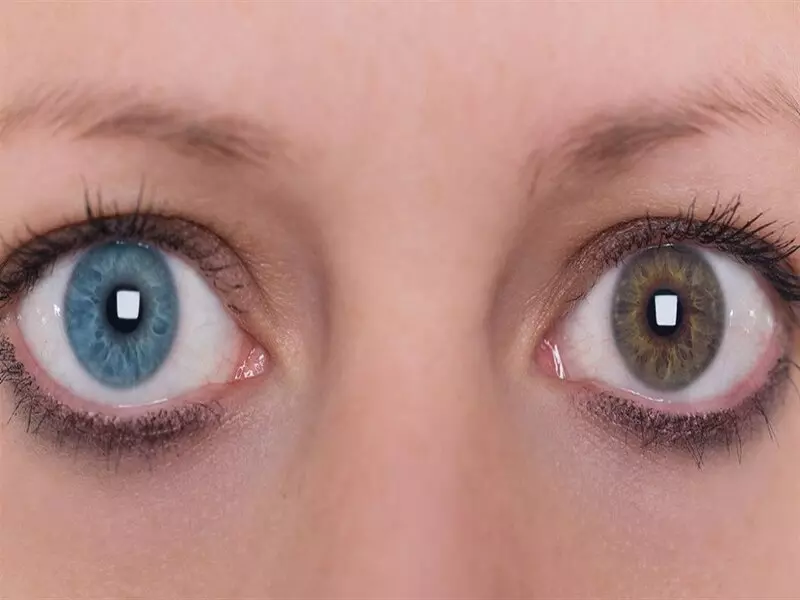
One Eye Having Two Different Colors
Eye color is generally a trait determined by genetic factors. However, in some individuals, a condition may occur where one eye appears to have two different colors. This condition is known in medicine as heterochromia. Heterochromia is usually congenital and is considered a rare condition. In this article, we will examine the scientific reasons behind this interesting phenomenon and its possible effects.
What Does It Mean When One Eye Has Two Different Colors?
Heterochromia refers to a situation where a person’s eyes appear in different colors. This condition is usually caused by differences in pigmentation in the iris of the eye. Depending on the amount of pigmentation, eye color may appear in various shades such as blue, green, or brown. Heterochromia can be complete or partial. In complete heterochromia, one eye is entirely a different color, while in partial heterochromia, multiple color tones may be present within the same eye.
There are several different types of heterochromia. Complete heterochromia occurs when both eyes are entirely different colors. Sectoral heterochromia refers to the presence of two or more colors within one iris. Central heterochromia means that the color in the center of the iris is surrounded by a different colored ring. Each type may be influenced by different genetic and environmental factors.
Although heterochromia is often genetic, it may also occur as a result of certain diseases or injuries. For example, eye trauma or inflammation can cause changes in eye color. Therefore, if you notice a sudden change in eye color, it is important to consult an eye doctor.
Why Does One Eye Have Different Colors?
There can be many reasons why one eye has different colors. The most common cause is genetic mutations. These mutations can affect melanin production in the iris, leading to differences in eye color. Genes inherited from parents can directly influence this condition.
Another cause of heterochromia may be eye injuries or trauma that occur after birth. Such physical effects can alter pigmentation in the eye. In addition, eye infections or inflammatory conditions may also lead to changes in iris color. For example, eye conditions such as Fuchs heterochromic iridocyclitis may cause heterochromia.
Eye Color Change Methods in Ankara
Eye color change methods in Ankara have become increasingly popular in the field of aesthetic procedures. Many people may wish to change their eye color for various reasons. These methods include surgical interventions, laser treatments, and colored contact lenses. Each method comes with its own advantages and risks.
Surgical methods aim to permanently change eye color. However, these procedures generally carry higher risks and a greater chance of complications. For this reason, it is very important to conduct thorough research and consult a specialist before considering surgery. Additionally, surgical procedures are often costly and may require a longer recovery period.
Laser eye color change is a popular option in Ankara. This method targets pigments in the upper layer of the iris to lighten eye color. Laser procedures are generally less invasive and may involve a faster recovery period. However, this method also carries certain risks and may not be suitable for every patient. Therefore, a detailed eye examination should be performed before undergoing laser eye color change.
Laser Eye Color Change Process
The laser eye color change process has emerged as an important innovation in aesthetics in recent years. This process may be considered by individuals who wish to lighten their eye color or achieve a different shade. Laser procedures are generally quick and minimally invasive, but they require careful evaluation.
First, a comprehensive eye examination is performed before the laser treatment. This examination is necessary to evaluate eye health and determine whether the procedure is appropriate. Then, a laser device is used to target pigments in the upper layer of the iris. During the procedure, laser energy is applied carefully to achieve the desired change. The process usually takes a few minutes, and patients can often return to their normal activities on the same day.
However, laser eye color change carries certain risks. In particular, there is a risk of damaging sensitive eye tissues. In addition, because each person’s eye structure is different, results may vary from one individual to another. For this reason, anyone considering this procedure should consult a qualified specialist and gain detailed information about potential risks. A professional evaluation can help you make the most appropriate decision.
Psychological Effects of Having One Eye with Two Different Colors
Having one eye with two different colors may influence how individuals feel about themselves and how they are perceived by society. People with heterochromia often attract attention because of their unique appearance. For some, this may boost self-confidence, while for others it may feel uncomfortable.
Individuals with heterochromia may sometimes receive increased attention regarding their appearance. While this can be a positive experience for some, others may find it uncomfortable. Especially for young individuals, feeling different may affect social relationships. Seeking support can be helpful in managing these emotional effects.
In addition to possible challenges, increased self-confidence can also be observed among people with heterochromia. Those who recognize the uniqueness of their appearance may feel more special and distinctive. Accepting and embracing personal differences can help develop a positive self-image. Ultimately, the psychological effects of heterochromia may vary depending on individual experiences.
Things to Know About Eye Color Change
Eye color change procedures have become increasingly popular among people who wish to alter their appearance. However, there are several important factors to consider. First and foremost, eye health should always be the top priority. Before any procedure, you should ensure that your eye health is not being put at risk.
Eye color change procedures generally offer either permanent or temporary solutions. Permanent changes are usually achieved through surgical interventions or laser treatments. These procedures may involve higher risks and require professional evaluation. Temporary solutions, on the other hand, are achieved using colored contact lenses. Contact lenses may be a lower-risk option but require proper use.
Finally, it is important to have accurate information before considering eye color change procedures. You should carefully research potential risks, costs, and expected outcomes. In addition, consulting a specialist eye doctor before making such a decision is essential in determining the best option for you. Remember, your health always comes first.
 Call
Call
 Whatsapp