
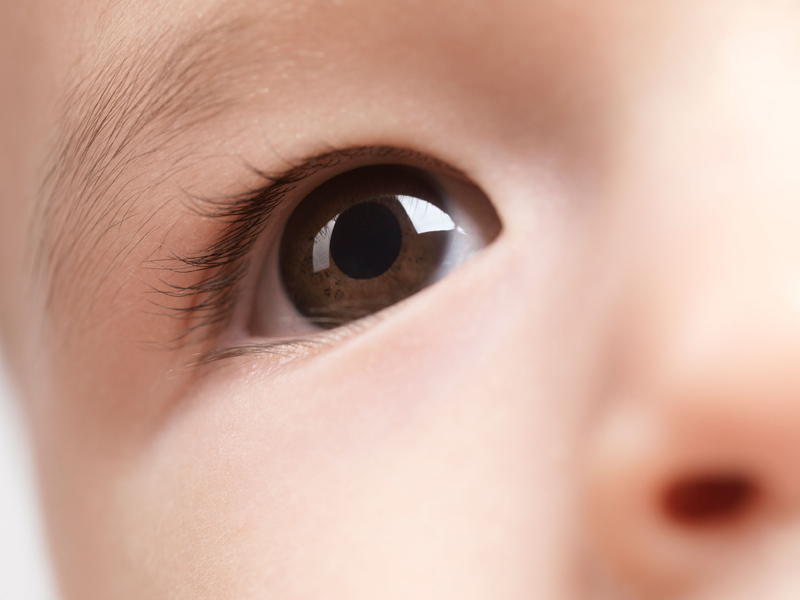
Newborn Eye Colors
Newborn eye colors have always been an interesting topic for parents and family members. When a newborn baby opens their eyes, we usually see a dark blue or gray tone. These colors may change during the first weeks and months after birth. Newborn eye colors typically begin to become more defined within a few weeks and may take up to two years to reach their final shade.
So, what exactly are newborn eye colors? The main factor determining eye color is the level of pigmentation in the iris. The iris is the colored part of the eye and contains a pigment called melanin. The amount of melanin directly affects eye color. Newborns’ eyes appear lighter at first due to low melanin levels. Over time, increasing melanin production determines the final eye color.
This process is fascinating for many families because a baby’s eye color is not always directly linked to the parents’ eye colors. Newborn eye colors reveal the complexity of genetic inheritance and the surprises of nature. It can be difficult to predict how a baby’s eye color will develop, making it an exciting experience for parents.
How Do Newborn Eye Colors Form?
The formation of eye color is a complex process closely related to genetic factors. At birth, newborns’ eyes usually appear light due to a lack of melanin. The pigmentation process of the iris begins with melanin production and continues until the eye color reaches its final state.
Melanin is an important pigment that determines not only eye color but also hair and skin color. In newborns, melanin production can accelerate in the first few months, leading to noticeable changes in eye color. For example, eyes that initially appear blue may gradually turn green or brown.
In addition to melanin production, light exposure also plays a role in determining eye color. As a baby’s eyes are exposed to environmental light after birth, melanin production is stimulated, and color changes begin. Therefore, a baby’s changing eye color is an interesting process for parents to observe.
Newborn Eye Colors and Genetics
Eye color is the result of a complex genetic inheritance. Genetics is the most important factor in determining eye color. The eye colors of the parents carry the genetic code that influences the baby’s eye color. However, how this code is expressed can vary greatly depending on gene combinations.
Eye color is typically passed down through dominant and recessive genes. Brown eye color is generally a dominant trait, meaning that if one parent has brown eyes, the child is likely to have brown eyes as well. Other eye colors, such as blue and green, are carried by recessive genes, requiring both parents to carry the same recessive trait.
The richness of genetic diversity and combinations can result in children within the same family having different eye colors. All these variables make newborn eye colors even more fascinating and offer many possibilities for how a baby’s eye color may develop.
The Process of Eye Color Change in Newborns
Newborn eye colors undergo the most noticeable changes during the first weeks and months after birth. This process usually occurs in two stages: first, eye color begins to darken as melanin production increases in the first few months after birth. The second stage is when the eye color becomes more stable and reaches its final form.
Between the first three to six months, babies’ eyes typically show the most rapid and noticeable changes. During this period, eye color may shift from blue or gray tones to green, hazel, or brown. The accumulation of melanin is the main reason for these changes and usually leads to darker shades.
The eye color change process can continue up to the age of two. However, in some babies, this process may be completed earlier. For parents, this transformation can be both exciting and intriguing. The uncertainty of how their child’s eye color will develop encourages parents to observe and wait patiently.
 Call
Call
 Whatsapp