


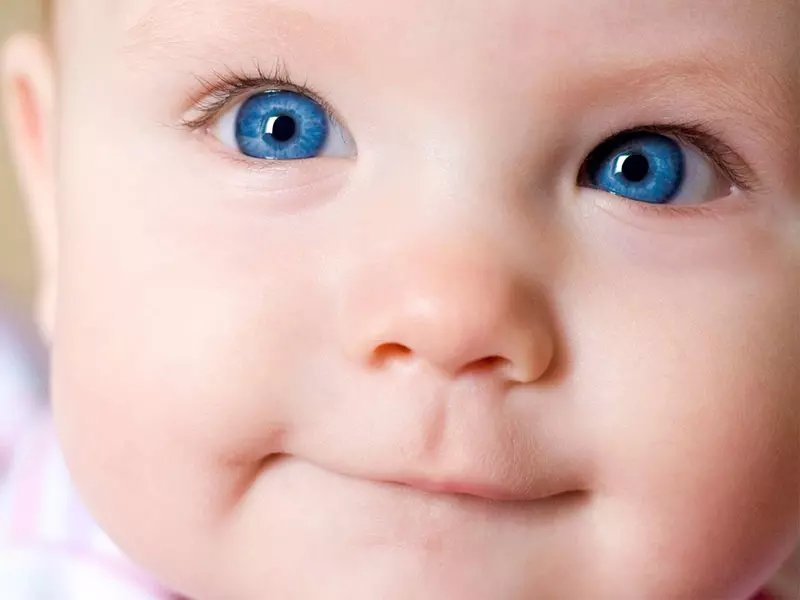
The eye color of newborn babies is a major subject of curiosity for parents and family members. Newborn eye color is usually not clearly defined immediately after birth and may change over time. Most babies are born with blue or gray eyes at first. The reason for this is that melanin production has not yet fully begun. Melanin is the pigment that determines eye color and allows the true eye color to emerge over time.
In the first few months after birth, babies’ eye colors may change. This period is a process in which eye color has not yet fully settled. Most babies experience a noticeable change in eye color within the first few months. For example, eyes that are initially blue may turn brown or green over time. This change may vary depending on the baby’s genetic structure and melanin production.
In some babies, eye color becomes apparent shortly after birth and does not change much. This is usually observed in babies with darker eye colors. However, the final eye color typically becomes clear only after the child completes the first few years of life. This process can be exciting and intriguing for parents.
Development of Newborn Eye Color
The development of eye color in newborn babies is a complex process. Genetic factors play an important role in this process. The development of eye color accelerates within the first six months after birth. During this period, melanin production increases, and the eye color gradually begins to change. Melanin determines the intensity of the pigment in the eyes, and as its amount increases, the eye color may darken.
By the end of the first year, babies’ eye colors are largely settled. However, in some cases, changes in eye color may continue until the age of two. During this time, parents can carefully observe the process of change. Eye color change can occur at different rates in babies, and this is completely normal.
The development of eye color can also be influenced by light and environmental factors. For example, exposure to sunlight may increase melanin production, which can affect eye color. Similarly, other environmental factors such as nutrition and overall health may also play a role in the development of eye color. Therefore, parents should monitor their babies carefully during this process and consult a doctor if necessary.
Factors Affecting Newborn Eye Color
There are many factors that affect the eye color of newborn babies. The most important of these is genetics. Genetics is the primary factor that determines a baby’s eye color. The eye colors of the mother and father can directly influence the baby’s eye color. However, due to genetic combinations, the baby’s eye color may also differ from that of the parents.
Another important factor is melanin production. Melanin is the pigment that determines eye color, and its production begins after birth. As the amount of melanin increases, the eye color darkens. Therefore, eyes that are blue or gray at birth may turn brown or green as melanin production increases. Melanin production is influenced not only by genetic factors but also by environmental conditions.
Environmental factors can also have an effect on eye color. For example, the amount and quality of light may influence melanin production. Exposure to sunlight may increase melanin production and lead to changes in eye color. At the same time, the baby’s nutritional status and overall health may also affect this process.
Eye Color Change in Babies
Eye color change in babies is an exciting process for parents. The change in eye color after birth occurs as melanin production begins. This process usually starts within the first six months of a baby’s life and may continue up to two years. Eye color change occurs in different ways depending on the amount of melanin in the eyes.
Changes in eye color are generally more noticeable in light-colored eyes. Eyes that are initially blue or gray may turn brown or green as melanin production increases. These changes are shaped by the baby’s genetic structure and environmental factors. Each baby’s eye color change process is different, and this is completely normal.
Parents can closely monitor the changes in their child’s eye color. Observing differences under various lighting conditions can help predict the final eye color. However, to determine the exact eye color, it is best to wait until the baby is around two years old.
Newborn Eye Color and Genetic Connection
The eye color of newborn babies is largely determined by genetic factors. The genetic connection plays a key role in determining eye color. The eye colors of the mother and father have a significant influence on the baby’s eye color. However, due to genetic combinations, the baby’s eye color may differ from that of family members.
The genes that determine eye color have a complex structure. Many genes and gene variations play a role in determining eye color. Therefore, even if the parents have the same eye color, the baby’s eye color may be different. Genetic factors also influence melanin production and determine the process of eye color change.
Especially in children of parents with light-colored eyes such as blue or green, eye color changes may be more noticeable. Genetic factors can also affect not only eye color but also the shape and structure of the eyes. Therefore, seeking advice from genetic specialists can be helpful to better understand eye color development and changes.
Things to Consider About Newborn Eye Color
There are several important points to consider regarding the eye color of newborn babies. First of all, it should be remembered that eye color is not clearly defined immediately after birth and may change over time. Newborn eye color develops depending on melanin production, and patience is important during this process.
Parents should regularly observe changes in their baby’s eye color. Noting differences under various lighting conditions can help predict the final eye color. However, the most accurate approach is to wait until the baby is at least two years old to determine the final eye color.
Finally, if any abnormality is observed in eye color change or development, it is important to consult a specialist. If there are additional symptoms besides changes in eye color, this may indicate a health issue. In case of any concern, seeking advice from a medical professional is the best approach for your baby’s health and development.