


Newborn baby eye color is always a topic of curiosity for parents and families. The eye color of a newborn is usually not clearly defined immediately after birth. It is possible for a baby’s eye color to change over time, and this change depends on several factors. In this article, we will provide comprehensive information about newborn baby eye colors and explore this fascinating topic in depth.
What Are Newborn Baby Eye Colors?
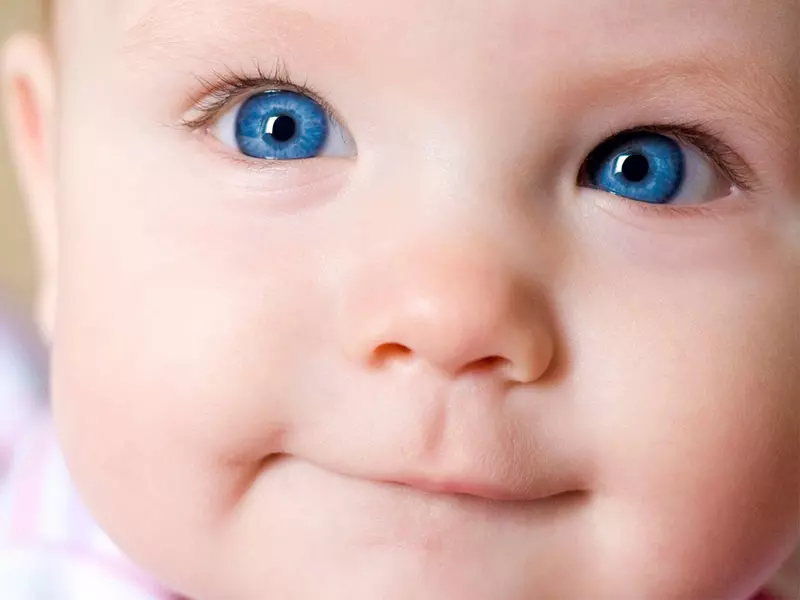
The eye color that babies have at birth is usually not permanent. Under natural light, their eyes may appear in different shades, which can often surprise parents. Newborn babies’ eyes are typically gray or blue in tone. However, these colors may change as melanin production increases.
The development of eye color depends on the level of pigmentation. Pigment is produced by a substance called melanin. As melanin levels increase, eye color can shift from blue or gray tones to brown or green. Therefore, changes in eye color during the first months after birth are quite common.
Newborn baby eye color is largely determined by genetic factors. Genetics influences which colors become dominant and more visible over time. Therefore, the eye colors of parents and ancestors can contribute to the baby’s final eye color.
Development of Eye Color in Newborns
The development of eye color in newborns becomes more noticeable in the first few months after birth. Within the first six months, the distribution of melanin in the eye changes, making the eye color more defined. This process occurs at a unique pace for each baby, and the eye color may not fully stabilize until around the age of one.
During this developmental period, parents can observe how their baby’s eye color changes. For example, a baby born with blue eyes may gradually develop green or brown tones over time. These changes are associated with increasing melanin pigmentation in the eyes.
Research on infant eye color development shows that, in addition to genetic factors, environmental influences may also play a role. Factors such as light exposure and skin pigmentation can affect how eye color ultimately develops.
Newborn Eye Color and Genetics
Newborn baby eye color is largely influenced by genetic structure. The eye colors of the mother and father are among the most important factors affecting the baby’s eye color. Genetic inheritance determines the possible eye color outcomes and can result in many different combinations.
Genetics works through the interaction of multiple genes that determine eye color. Each individual inherits a set of genes from both parents, and these genes influence the final shade of the eyes. For example, if both parents have brown eyes, the likelihood of the baby having brown eyes is higher.
In some cases, genetic variations may lead to unexpected results, including rare eye colors. This highlights the complexity of genetics and how each individual’s unique genetic makeup can produce different outcomes.
Most Common Newborn Eye Colors
The most common eye colors in newborn babies include blue, brown, and gray tones.
Blue Eyes:
A common eye color in newborns, usually associated with low melanin production. This color may change over time.
Brown Eyes:
Seen when melanin levels are higher and often remains permanent.
Gray Eyes:
Similar to blue eyes, gray tones are also linked to low melanin levels and may change as the baby grows.
Each eye color results from a combination of genetic and environmental factors. This diversity ensures that every baby has a unique eye color, making the process exciting for parents.
Changes in Newborn Eye Color
Baby eye colors can change over time, usually due to increasing melanin production. During the first year, a baby’s eyes may shift from their original color to a different shade. This process can be an exciting experience for parents to observe.
The most noticeable changes typically occur within the first six months. However, in some babies, these changes may take longer, and the final eye color may not become clear until around one year of age—or even later.
Parents can follow this process by observing changes in their baby’s eye color. These changes are shaped by both genetic and environmental factors, making each baby’s eye color development unique.
Factors Affecting Eye Color in Babies
Several factors influence newborn baby eye color. Genetics plays the most significant role, but environmental factors may also contribute. Elements such as light exposure, skin tone, and melanin production can all affect how eye color develops.
Environmental influences may include geographical location and climate. For instance, exposure to sunlight can impact melanin production, which may, in turn, influence eye color changes.
In conclusion, newborn baby eye color is shaped not only by genetics but also by various external factors. Each factor plays a role in determining how eye color develops and what the final color will be.