


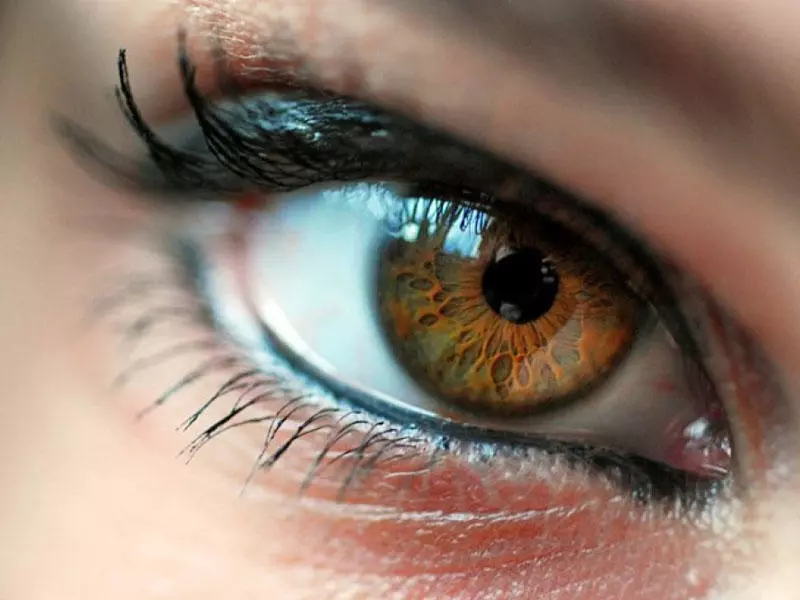
Eye colors are more than just an aesthetic feature; they are also a part of our genetic structure and personal identity. Although the meaning and significance of eye colors may vary from culture to culture, they are often used to describe people and emphasize differences. Our eye color is one of the first impressions we leave on the people around us, which makes it important to have knowledge about the names and meanings of eye colors.
Research on eye color goes beyond physical appearance and is also associated with personality traits and psychological effects. For example, blue eyes are commonly associated with a calm and peaceful personality, while brown eyes are often linked with a trustworthy and warm character. Such associations further deepen the social and cultural significance of eye color.
Main Eye Colors: Descriptions and Characteristics
Eye colors are generally determined by iris pigmentation and the way light reflects from it. Basically, there are four main eye colors: brown, blue, green, and hazel. These colors occur due to different genetic combinations and varying levels of pigmentation.
Brown eyes are seen in a large portion of the world’s population and are the most common eye color. Rich in melanin pigment, brown eyes usually create a warm and friendly impression. This eye color also provides greater protection against sunlight, which is why it is more frequently observed in sunny regions.
Blue eyes are commonly found in individuals of European origin and genetically contain less melanin. For this reason, blue eyes have a lighter appearance. People with blue eyes are often perceived as attractive and mysterious. The higher prevalence of this eye color in colder climates may be an adaptation to stronger light reflection.
Green eyes are a rare eye color and are generally considered striking. Both melanin levels and genetic factors play important roles in the formation of green eyes. People with green eyes are often associated with creative and energetic personalities. The rarity of this eye color often makes it more intriguing among people.
Names of Eye Colors
The names of eye colors usually vary according to the intensity and tone of the color. Besides the main eye colors, there are also more unique eye shades. For instance, black eyes are actually very dark brown eyes that appear black when light reflection is minimal. This eye color is common among individuals of African and Asian descent.
Hazel eyes are described as a mixture of brown and green, and different tones may appear in various parts of the eye. People with hazel eyes are often known for their versatile and adaptable personalities. This eye color may sometimes appear to change shades depending on how light reflects from different angles.
Amber eyes represent a yellowish-brown tone and are quite rare. This eye color creates an appearance often associated with cats and tends to leave a captivating impression on people. Individuals with amber eyes often project a charismatic and strong presence.
Rare Eye Colors and Their Characteristics
Rare eye colors usually occur due to genetic mutations or differences in melanin levels. Gray eyes are a rare eye color and are often considered a darker shade of blue eyes. People with gray eyes are often associated with emotional depth and intellectual perspectives.
Purple eyes may appear in individuals with albinism. This eye color results from the combination of light reflection and a lack of melanin. People with purple eyes are often noticed for their unique and captivating presence. Because this eye color is naturally extremely rare, it often becomes a special point of attention.
Red eyes may also appear due to albinism. Because of the lack of melanin, the blood vessels at the back of the eye can become visible when exposed to light, giving the eyes a reddish appearance. Red eyes often appear in mythological and fantasy stories and therefore carry a mystical aura.
The Genetic Structure of Eye Colors
The genetic structure of eye colors is generally determined by genes inherited from parents. Two main gene groups play an important role in determining eye color: OCA2 and HERC2. These genes determine iris pigmentation and therefore influence eye color. Different combinations of these genes lead to the emergence of different eye colors.
According to genetic knowledge, brown eye color is considered a dominant trait, while blue and green eye colors are recessive traits. This serves as an important example of how genetic diversity works. A dominant gene allows a more common eye color to be passed down through generations.
However, it is also known that eye color is not determined by only two genes; instead, it involves a much more complex genetic structure. Other genes and environmental factors may also play roles in determining eye color. Therefore, different eye colors can even be observed among members of the same family.
Psychological Effects of Eye Colors
The psychological effects of eye colors play an important role in social interactions and personal perceptions. Research suggests that certain eye colors are often associated with particular personality traits. For example, individuals with blue eyes are often perceived as calmer and more peaceful, while those with brown eyes may be seen as warmer and more trustworthy.
These perceptions are shaped by cultural and social influences. The first impression created by eye color in interpersonal interactions can influence how people approach and communicate with each other. For this reason, eye color is not only a physical characteristic but also a psychological and social factor.
Additionally, eye color is believed to influence a person’s self-confidence and self-esteem. Individuals may feel special due to the uniqueness and aesthetic value of their eye color. This can also affect a person’s behavior and communication style in social environments.
Factors That Change Eye Color
Eye color can change over time or due to various factors. The aging process may lead to slight changes in eye color. Particularly in babies, eye color may change during the first years after birth. This situation is related to increases or decreases in melanin production.
Eye injuries or diseases may also cause changes in eye color. For instance, certain eye conditions or trauma can affect iris pigmentation and lead to variations in eye color. In advanced cases, these changes may become permanent.
Finally, for those who wish to change their eye color for aesthetic reasons, some medical procedures are available today. Methods such as laser eye color change procedures or colored contact lenses can provide temporary or permanent changes in eye color. However, the risks and outcomes of such procedures should be carefully evaluated.