
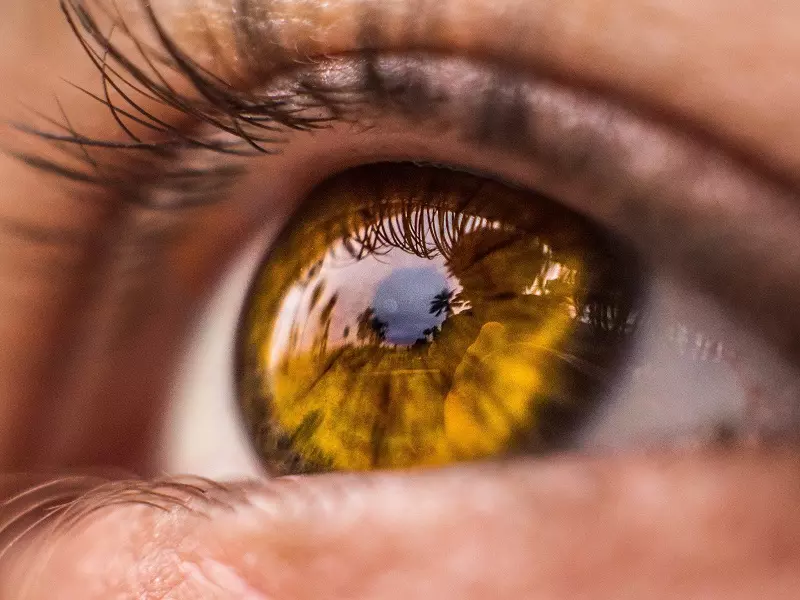
My Eye Color Is Changing
Changes in eye color may seem ordinary for some people, while for others they can be quite surprising. Eye color depends on the pigmentation of the iris, the colored part of the eye. Factors such as melanin levels, variations in iris structure, and light reflection determine eye color. Changes in eye color can occur for various reasons and are usually harmless.
Most babies are born with blue or gray eyes, and their eye color may change over time. This happens as melanin production increases in the body. Eye color changes are more common at a young age due to fluctuations in melanin levels. However, some adults may also notice changes in eye color for different reasons.
Eye color changes can result from physical factors such as hormonal shifts, aging, or injury. Most of these changes are not permanent and usually represent a temporary process. However, if you notice a sudden or dramatic change in your eye color, it is important to consult an eye specialist.
My Eye Color Is Changing: Possible Causes
When someone says, “My eye color is changing,” several possible causes can be considered.
First, one of the most common reasons is aging. As we grow older, the amount of melanin in our eyes may decrease, which can cause the eye color to appear lighter.
Another possible cause is hormonal changes. Particularly in women, periods such as pregnancy or menopause may lead to subtle eye color changes. These shifts are often temporary and may reverse once hormone levels stabilize.
Certain medical conditions can also cause changes in eye color. For example, conditions such as Horner syndrome or Fuchs heterochromic iridocyclitis may be associated with eye color differences. These situations are usually accompanied by other symptoms and should be evaluated by a healthcare professional.
Eye Color Changes and Health Conditions
Sometimes changes in eye color may signal an underlying health issue. For this reason, if you notice a sudden change, consulting a specialist is important. In some cases, eye color changes may be an early sign of a more serious condition.
For example, changes in iris pigmentation may be linked to glaucoma, a condition characterized by increased intraocular pressure. If left untreated, glaucoma can lead to vision loss. Regular eye examinations are essential, and any noticeable change should be taken seriously.
Additionally, certain medications or eye drops may cause eye color changes. Prostaglandin analog eye drops, for instance, may darken eye color over time. If you are using prescription medications and observe a change in eye color, you should inform your doctor.
Psychological Effects of Eye Color Changes
Eye color can influence self-confidence and social perception. Since eye color is often considered an aesthetic feature and part of personal identity, a change may cause you to feel different about yourself.
Many people believe that eye color reflects personality traits. For example, there is a common belief that blue eyes represent sensitivity and emotional depth. Such cultural associations may influence how individuals perceive themselves when their eye color changes.
If you experience a change in eye color, it is important to accept and appreciate yourself as you are. A shift in eye color can become part of your unique story. What matters most is maintaining a healthy self-image and not allowing such changes to negatively affect your identity.
Different Eye Colors and Personality
The relationship between eye color and personality has long been a subject of curiosity. Many cultures hold beliefs linking certain eye colors with specific personality traits.
For example, brown-eyed individuals are often perceived as trustworthy and sincere, while green eyes are associated with creativity and mystery. These perceptions may influence social interactions.
However, scientific research does not support a direct connection between eye color and personality. Traits attributed to eye color are usually shaped by cultural and social beliefs. Eye color changes do not alter who you are as a person. Every individual is unique, regardless of eye color.
Myths and Facts About Eye Color Changes
There are many myths surrounding eye color changes. One common myth is that eye color can completely change into a totally different shade. In reality, most changes are subtle. Variations in melanin levels or light reflection may influence appearance, but a complete transformation into a drastically different natural color is rare.
Another myth is that eye color changes are solely determined by genetics. In truth, environmental factors, aging, and hormonal changes may also play a role.
It is also incorrect to assume that all eye color changes are permanent. In many cases, changes are temporary and may return to their original state. However, if the change appears permanent or is accompanied by other symptoms, seeking professional evaluation is recommended.
Scientific Research on Eye Color Changes
Scientific research continues to provide insights into why eye color changes occur. Researchers study genetic, environmental, and biological factors that influence pigmentation.
Some studies suggest that genes involved in melanin production may contribute to variations in eye color over time. Hormonal changes and aging are also areas of research focus.
Overall, research indicates that most eye color changes are harmless. However, in some cases, they may signal underlying health issues. If you notice a sudden or unexpected change, consulting a specialist is always advisable.
 Call
Call
 Whatsapp