
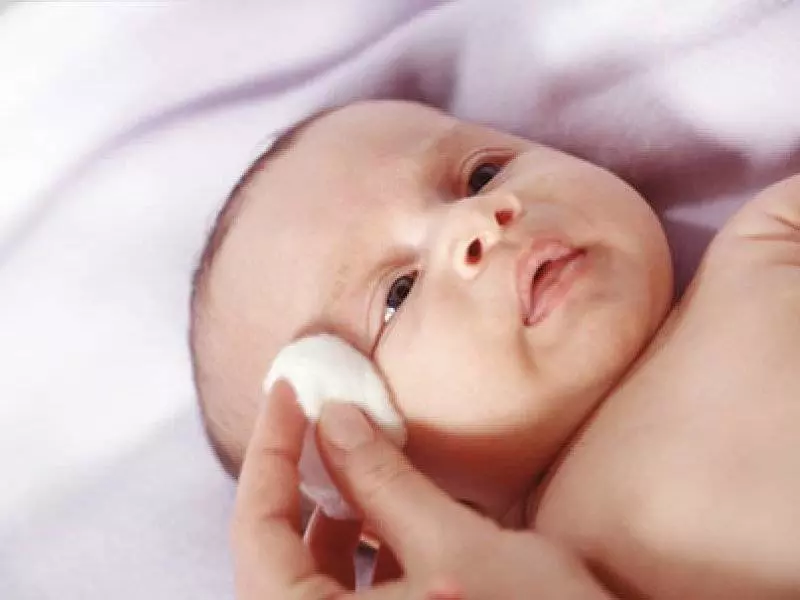
My Baby’s Eyes Are Gray – What Color Will They Become?
Are your baby’s eyes gray? This can be a source of curiosity for many parents. There are often questions about whether the eye color will change and what it might turn into. In this article, while answering the question “my baby’s eyes are gray, what color will they become?”, we will explore topics such as how eye color forms, genetic factors, and the characteristics of gray eyes.
What Is Eye Color and How Does It Form?
Eye color is determined by the pigmentation of the iris, the colored part of the eye. This pigmentation depends on a type of pigment called melanin. The amount and distribution of melanin influence whether the eye color appears light blue, green, brown, or gray. At birth, babies usually have very little melanin in their eyes, which is why their eyes often appear lighter in tone.
In newborns, eye color is typically blue or gray. This color can change over time as melanin production increases. As the baby grows, changes in eye color may occur. With increased melanin levels, the eye color may shift to darker shades. This process generally continues until the baby is 6 to 12 months old, but in some cases, eye color can keep changing until the age of three.
Genetic factors play a major role in the formation of eye color. The genetic makeup of the parents significantly influences the baby’s eye color. However, many parents remain curious about how their baby’s eye color will evolve over time.
Genetic Factors in a Baby’s Eye Color
Genetics is one of the most important factors in determining eye color. In most cases, a baby’s eye color is influenced by the genetic composition of the parents and ancestors. Eye color is affected by two main pigments: brown and blue. Brown pigment is dominant, which is why children of brown-eyed parents are more likely to have brown eyes.
Genetic inheritance is influenced not only by parents but also by family history. The eye color of grandparents can also play a role. Babies can have different eye colors as a result of genetic combinations. For example, a blue-eyed mother and a brown-eyed father may have a baby with green or hazel eyes.
The complexity of genetics can make it difficult to predict eye color. However, understanding the genetic structure can help parents better interpret how their baby’s eye color might change over time.
Characteristics and Rarity of Gray Eyes
Gray eyes are rare and highly striking. Similar to blue eyes, gray eyes also contain low levels of melanin. However, gray tones are generally cooler and more neutral than blue. Gray eyes can appear to shift into blue, green, or even silvery tones depending on how light reflects on them.
Gray eyes are considered rare worldwide, which makes them more unique and eye-catching. People with gray eyes are often of Northern European descent, where lighter eye colors are more common due to lower melanin production. Individuals with gray eyes also tend to have lighter skin and hair.
The aesthetic appeal and rarity of gray eyes make them special for both parents and children. Their ability to change tone under different lighting conditions adds to their charm.
The Process of Eye Color Change
A baby’s eye color can change during the first few years of life. As melanin production increases with growth, changes in eye color occur. This process usually becomes noticeable between 6 and 12 months, but it may continue up to the age of three in some cases.
Eye color change generally begins with an increase in melanin. Eyes that are initially gray may transition into blue, green, or brown tones. During this process, even the rings around the eyes may change in color. These variations can influence both the color and overall appearance of your baby’s eyes.
This period may require patience from parents. It can be difficult to predict the final eye color because genetic factors and melanin production vary from one baby to another. However, observing these changes can be an exciting part of watching your baby grow and develop.
The Role of Parents in Eye Color Change
The genetic makeup of parents plays a key role in determining a baby’s eye color. However, there is little parents can do to influence this process. The final eye color is determined by genetics and melanin production. Therefore, it is important for parents to be patient and accept the natural changes.
Parents can take an active role by observing and documenting these changes. Taking regular photos of your baby’s eyes can be a fun way to track the transformation. Watching how your baby’s eye color evolves offers a unique glimpse into their growth and development.
In conclusion, the question “my baby’s eyes are gray, what color will they become?” is a common curiosity for many parents. However, genetics and natural processes ultimately determine the outcome. As parents, it is important to appreciate your baby’s unique features. Eye color is just one of the many beautiful traits that make your baby special.
 Call
Call
 Whatsapp