
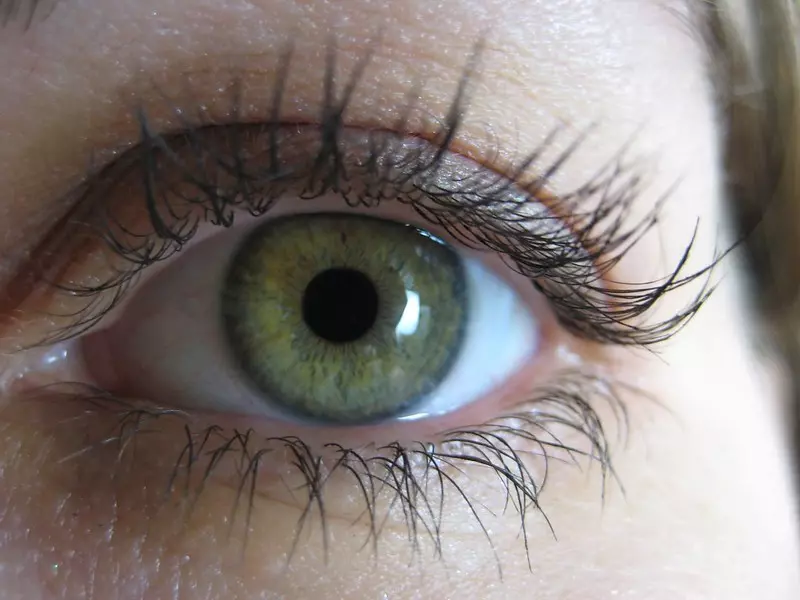
Mutated Eye Colors
Eye color is an important trait determined by genetic factors that distinguishes individuals from one another. However, in some cases, eye colors may undergo unexpected changes. Such changes are referred to as mutated eye colors. So, what exactly are these mutations and how do they occur?
What Are Mutated Eye Colors?
Mutated eye colors refer to variations in eye color that result from changes in genetic sequencing. Under normal circumstances, eye color is fixed by a specific genetic code. However, certain genetic alterations or mutations may cause this code to be read differently, leading to changes in eye color.
The causes of such changes are generally based on hereditary factors. For example, if one of the parents carries a rare genetic mutation, this may result in eye color differences in their children. In addition, environmental factors may also trigger mutations. However, in most cases, these changes originate from genetic structure.
Mutated eye colors are rare in society and often appear in a surprising way. These changes are not limited to eye color differences alone; they may also influence a person’s appearance and how they are perceived.
Causes of Mutated Eye Colors
The primary cause of mutations in eye color is genetic change. An error or alteration in genetic sequencing may affect melanin production. Melanin is the main pigment that determines eye color, and changes in its production may lead to variations in eye color.
Another factor may be environmental influences. For example, exposure to certain chemicals or radiation may cause genetic mutations. However, more research is needed to determine whether such environmental effects have a direct impact on eye color.
Finally, aging may also lead to changes in eye color. As a person ages, pigmentation in the eyes may decrease, causing the eye color to become lighter or darker. This condition may be considered part of the natural aging process, independent of genetic mutations.
Mutated Eye Colors in Ankara
Ankara, the capital of Turkey, is an important center where various genetic studies are conducted. Research carried out on mutated eye colors in Ankara provides valuable insights into genetic diversity. Genetic studies conducted in Ankara allow for a better understanding of mutations in eye color.
Universities and research centers in Ankara are pioneers in genetic science and host numerous projects in this field. Researchers examine the causes and consequences of mutated eye colors, exploring their relationship with genetic and environmental factors.
Such studies contribute not only to the scientific community but also to public health and genetic counseling services. Research conducted in Ankara may enable a better understanding of eye color mutations in the future and potentially lead to the development of new treatment approaches in this area.
Laser Eye Color Change Methods
Eye color change is an intriguing topic for many individuals. Laser eye color change has gained popularity in recent years. So, how does this method work and what results does it produce?
Laser eye color change is a procedure that targets iris pigmentation to alter eye color. This process reduces melanin in the eye, allowing lighter tones to be achieved. However, such procedures do not always produce the desired results and may carry certain risks.
The main advantage of this method is that it provides a permanent change in eye color. However, the risk of complications after the procedure should be taken into consideration. Individuals interested in such treatments are advised to conduct thorough research and consult a specialist before proceeding.
Psychological Effects of Mutated Eye Colors
Sudden changes in eye color may affect an individual’s psychological state. Eye color is considered part of personal identity, and such mutations may impact self-confidence.
Many people view their eye color as part of their identity, so changes of this kind may influence how they perceive themselves. Especially at a young age, such changes may lead to difficulties in social adaptation and cause individuals to feel different.
However, mutated eye colors do not always have negative effects. Some individuals may embrace these changes as a unique trait, feeling more special and distinct. This perspective may increase self-confidence and lead to positive social outcomes.
Different Eye Colors and Their Meanings
Eye colors carry various meanings depending on cultural and individual perspectives. Blue, green, brown, or hazel eyes each create different perceptions and are often associated with personality traits.
Blue Eyes: Often associated with calmness and serenity. Blue-eyed individuals are generally perceived as trustworthy and composed.
Green Eyes: Considered a symbol of mystery and attractiveness. Those with green eyes are often seen as energetic and creative.
Brown Eyes: Symbolize warmth and simplicity. Brown-eyed individuals are generally perceived as sincere and reliable.
Hazel Eyes: Represent adaptability and versatility. Hazel-eyed individuals are often noted for their flexible and adaptable nature.
These meanings may vary from person to person and culture to culture. However, in general, eye color plays an important role in first impressions and influences social dynamics.
Laser Eye Color Change Procedure: Process and Results
The laser eye color change procedure consists of several stages, each requiring careful planning and execution. First, a consultation with a specialist eye doctor provides detailed information about the suitability of the procedure and potential risks.
During the procedure, a specialized laser device targets the melanin pigment in the eye. The process is usually performed under local anesthesia and takes only a few minutes. However, the recovery period may vary from person to person and requires careful follow-up.
Results typically become noticeable within a few weeks. However, it should be remembered that desired results are not always guaranteed and that there are risks of complications. Therefore, all stages before and after the procedure should be carefully planned and managed.
 Call
Call
 Whatsapp