


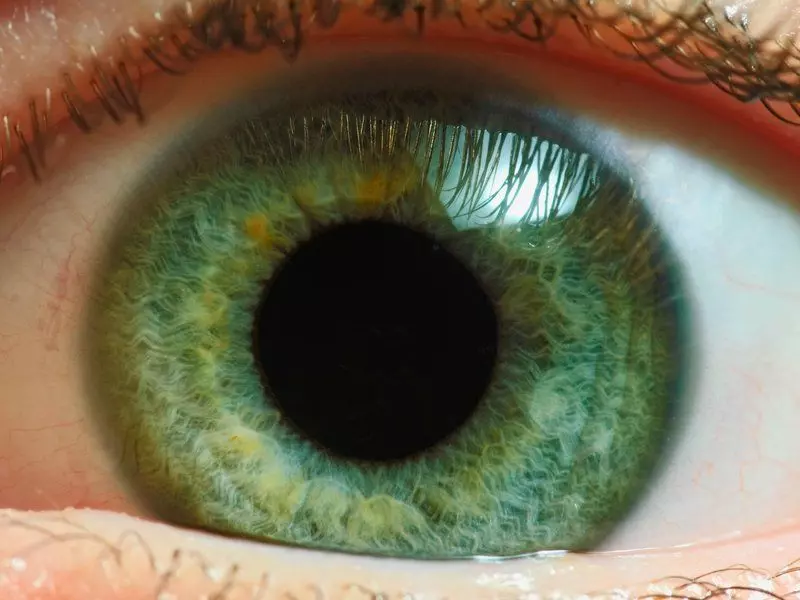
Laser Eye Color Lightening Malatya is one of the laser-based aesthetic applications that comes to the agenda for people who aim for a long-term change toward lighter tones in eye color. This technique aims to achieve a lighter eye color appearance by reducing the melanin pigment density located in the iris part of the eye. It may be an option that can be evaluated especially for those with dark brown or black eye color. However, before this procedure, careful research and a professional evaluation are required.
The eye color change procedure is evaluated through methods performed using laser technology. The laser targets the melanin pigment density located in the outer layers on the iris and helps this density gradually decrease. With the decrease in the amount of melanin, a change toward lighter tones in eye color is aimed. This procedure may generally require more than one session, and it may be necessary to wait for a period of several months to evaluate how the result will develop.
This procedure, in addition to being an aesthetic preference, may also be a process that can positively affect the perception of appearance for some people. However, as with every cosmetic procedure, the laser eye color lightening procedure may also carry some risks, and it is important to have detailed information about these risks. Evaluations performed under the guidance of a specialist doctor are very important for noticing unwanted results early and ensuring that the process progresses in a more controlled way.
Eye Color Change Methods
Eye color change is a procedure that can be evaluated with different methods. Each method has its own advantages and disadvantages. In addition to the laser eye color lightening procedure, colored contact lenses and surgical methods are also available. However, in this article, we will focus more on laser-related techniques rather than surgical methods and non-laser applications.
Colored Contact Lenses: Contact lenses are one of the easiest and most popular ways to temporarily change eye color. By offering different color options, they allow the user to achieve a different appearance for daily use or special occasions. However, hygienic conditions must be considered in the long-term use of these lenses.
Surgical Methods: Eye color change surgeries may include methods that aim for permanent change, such as iris implants. However, surgical interventions may always carry more risks, and such procedures should only be handled after detailed evaluation and by experienced surgeons.
Laser Eye Color Lightening: The method of lightening eye color using laser technology is a method evaluated because it does not require surgical intervention and aims for a change close to a natural appearance. Detailed information about this procedure will be discussed in the other sections of the article.
Advantages of Laser Eye Color Lightening
Laser eye color lightening may offer various advantages compared to other methods. First, this procedure does not require surgical intervention, which may help the post-procedure recovery process be followed more controllably, although it may vary from person to person. In addition, the fact that general anesthesia is not used during the procedure can be evaluated in terms of the absence of additional processes related to anesthesia.
Another advantage of this method is that its results are aimed to be close to a natural appearance. The laser procedure aims to create a gradual color change toward lighter tones by targeting the melanin pigment density located on the iris. This situation may help aim for a longer-term and aesthetically balanced appearance compared to colored contact lens use. Results that appear over time aim to offer people a long-term eye color change close to a natural appearance.
Finally, the laser eye color lightening procedure can generally be planned in short sessions, and the return to daily life is evaluated according to the person’s eye structure and specialist recommendations. The procedure generally takes several sessions, and each session may take a short time. This allows the return to daily routines after the procedure to be evaluated in a more planned way. However, each individual’s post-procedure process may be different, and it is important to follow doctor recommendations.
Laser Eye Color Lightening Process
The laser eye color lightening process begins with a careful preliminary evaluation. First, the general health of the eyes is checked by a specialist eye doctor. This check is necessary to make sure that there is no health problem in the eye and to evaluate personal suitability for the procedure. In addition, in line with the doctor’s recommendations, it is evaluated whether the person is a suitable candidate for the eye color lightening procedure.
The procedure is generally planned with applications that support the patient’s comfort and is a process in which the person is awake during the procedure. The laser targets the melanin pigment density located in the iris part of the eye and helps this density gradually decrease. Each session can be completed in a short time; however, more than one session may be required for the targeted result to be evaluated.
After the procedure, mild discomfort or redness may occur in the eyes. In this case, it is important to use the eye drops recommended by the doctor. The recovery process may vary from person to person; therefore, the doctor’s recommendations should be followed carefully after the procedure. It may take a few months for the results to be fully evaluated, and regular controls are recommended during this period.
What Is the Laser Depigmentation Technique?
The Laser Depigmentation technique is a laser-based method that aims for a long-term change toward lighter tones in eye color. This technique targets melanin pigment density on the iris with the help of laser technology and aims to create lightening in eye color by reducing this density. This method, especially evaluated by people with dark-colored eyes, aims for a change close to a natural appearance.
Since this technique is a non-invasive procedure, it does not require surgical intervention. Lasers target the pigment density in the iris part of the eye, and this procedure is generally completed in more than one session. Each session may take a few minutes, and the level of comfort felt during the procedure may vary from person to person. However, regular follow-up and care are important for the results to be evaluated and for the process to progress healthily.
Although Laser Depigmentation is a method planned with specialist evaluation, it may carry some risks as with every medical procedure. Therefore, the experience and knowledge of the doctor who will perform the procedure are of great importance. Being under specialist control before and after the procedure is necessary for early evaluation of possible complications.
Eye Color Lightening with the Lumineyes Method
The Lumineyes method is one of the techniques evaluated among laser eye color lightening procedures. This method targets melanin pigment density on the iris using a special laser technology and aims to achieve a lighter eye color appearance. Lumineyes is known as a laser-based option planned under specialist control and in line with personal suitability.
The Lumineyes procedure is generally accepted as a non-invasive procedure and does not require surgical intervention. The laser used during the procedure aims to reduce pigment density on the iris, and this procedure is generally performed in more than one session. Each session is short, and it may generally take several weeks or months for the procedure to be completed.
One of the important advantages of the Lumineyes method is that it aims for long-term results close to a natural appearance after the procedure. However, since each individual’s eye structure is different, a detailed examination and evaluation before the procedure are important. In this way, it becomes possible to notice unwanted results early after the procedure and ensure that the process progresses in a more controlled way. The guidance and recommendations of the specialist doctor are of great importance during and after the procedure.
The Importance of Specialist Control
The laser eye color lightening procedure is a procedure that requires specialist control. The guidance of an experienced eye doctor is essential for the procedure to be performed in line with personal suitability and in a more controlled way. During the first evaluation, the doctor checks eye health and determines whether the person is a suitable candidate for this procedure.
The guidance of the specialist is also of great importance during and after the procedure. In the post-procedure period, having information about mild discomforts or possible complications that may occur in the eyes is necessary for early evaluation of possible problems. Following the doctor’s recommendations may help the recovery process progress in a more controlled way and the results be evaluated more healthily.
As a result, the laser eye color lightening procedure is a process that needs to be carefully planned. Specialist control plays a critical role in protecting eye health at every stage of the procedure. In order not to put eye health at risk, it is recommended that the procedure be evaluated by an experienced and competent specialist. In this way, a more conscious process can be carried out in terms of both aesthetic expectations and eye health.
Frequently Asked Questions About Laser Eye Color Lightening
Many questions may arise regarding the eye color lightening procedure. Here are the most frequently asked questions and answers:
Does the laser eye color lightening procedure hurt?
The level of comfort felt during the procedure may vary from person to person. However, mild discomfort or burning sensation may occur.
How permanent are the results?
The laser eye color lightening procedure aims for long-term results. However, post-procedure care, eye structure, pigment density, and following doctor recommendations are important.
Is it suitable for all eye colors?
The procedure is generally evaluated in people with dark-colored eyes. Results may vary in light-colored eyes.
How is the recovery process?
Mild redness or irritation may occur after the procedure. This condition may vary from person to person. Eye drops and care instructions recommended by the doctor may support the recovery process.
Is there any risk?
As with every medical procedure, laser eye color lightening may also carry some risks. Therefore, the experience and knowledge of the doctor who will perform the procedure are of great importance.
It is recommended that you receive professional support to get more information about eye color change and consult a specialist doctor. With accurate information and guidance, you can evaluate your aesthetic goals through a more conscious process that prioritizes eye health.