


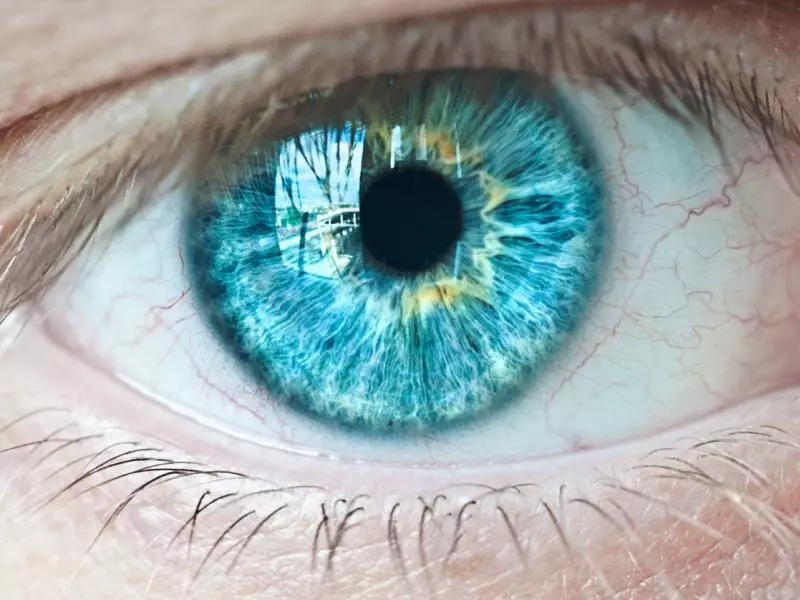
Laser eye color change is an aesthetic procedure preferred by individuals who want a permanent change in eye color. However, it is important to discuss this treatment in a realistic and balanced way. The eye is a delicate and vital organ, so the procedure should be considered together with its possibilities and limitations.
How the Procedure Is Performed
In laser eye color change, laser energy targets melanin pigment within the iris. As pigment density decreases, the eye color may gradually appear lighter over time. Results are not immediate; changes usually develop slowly over weeks or months.
Before the procedure, a detailed eye examination is necessary. Eye structure, corneal health, intraocular pressure, and overall eye condition should all be carefully evaluated before deciding on treatment.
Realistic Information About Risks
Like any medical procedure, laser eye color change may involve certain risks. These can vary from person to person but generally include:
-
Increased light sensitivity
-
Temporary blurred vision or discomfort
-
Changes in eye pressure
-
In rare cases, long-term eye health complications
For this reason, the procedure should be approached as a medical intervention rather than a simple cosmetic treatment. Risks cannot be completely eliminated; proper patient selection and specialist evaluation are essential.
Is It Suitable for Everyone?
Laser eye color change may not be suitable for every individual. People with existing eye diseases, risk of glaucoma, or unsuitable corneal structure may not be ideal candidates. Therefore, individualized assessment is extremely important.
A realistic approach means understanding that results are not identical for everyone. The degree and speed of color change can vary depending on personal eye characteristics.
What to Consider Before Making a Decision
Before choosing the procedure, patients should receive clear and detailed information. A balanced decision should be made by comparing expectations with medical realities. It is important to evaluate the procedure not only from an aesthetic perspective but also in terms of long-term eye health.
Accurate information, realistic expectations, and professional medical guidance are the key elements of a safe decision-making process.