
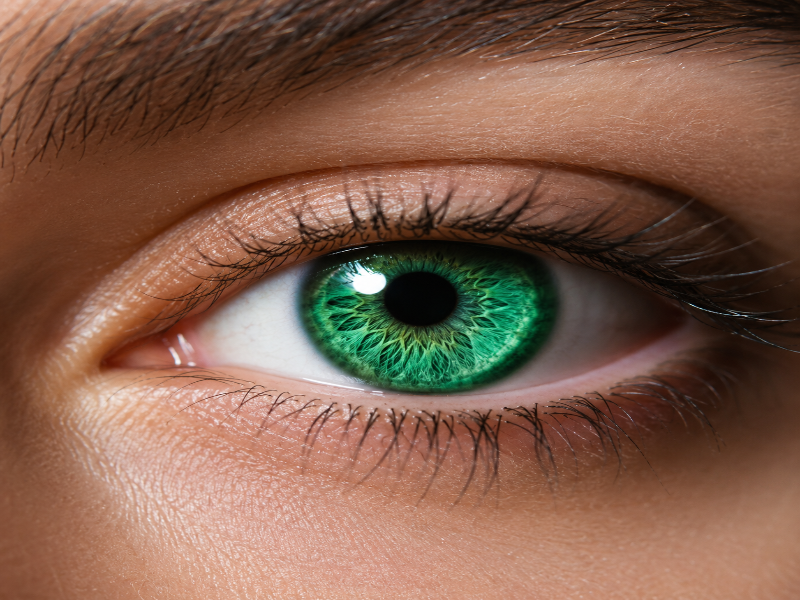
Laser Eye Color Change Brown to Green
Our eye color is an important part of our appearance, and some people may wish to have a different eye color. Laser Eye Color Change Brown to Green, in other words targeting lighter tones close to green in brown eye color through laser eye color change, has become one of the aesthetic procedures researched in recent years. In this article, we will discuss the laser eye color change process, its advantages, and the points to consider afterward in detail.
What Is Laser Eye Color Change?
Laser eye color change is a laser-based cosmetic procedure that aims to create a change in the existing eye color by targeting the pigment density in the iris layer of the eye. The natural color of the eyes depends on the amount of melanin in the iris, and laser technology aims to reveal lighter tones by reducing pigment density. For example, after the procedure, lighter tones close to green may be targeted in brown eyes.
This procedure has recently stood out as one of the options researched by people seeking aesthetic solutions for eye color change. The basis of the technique is that laser beams target the brown pigment density in the iris at specific wavelengths. As the pigment appearance decreases, lighter tones in the eye color are intended to become more visible.
Laser eye color change is an application that should be planned with specialist evaluation in suitable candidates. As with every medical and aesthetic procedure, this procedure may also carry certain risks and limitations. Therefore, it is important to perform a detailed evaluation before the procedure, examine the person’s eye health, and ensure that the possible outcomes are understood by the patient.
Advantages of Laser Eye Color Change
One of the prominent aspects of laser eye color change is that it aims for long-term color change. Unlike temporary methods such as contact lenses, this application aims to create a more permanent change in eye color. This may be considered by people who want an aesthetic appearance independent of lens use.
Another important point is that the comfort of the procedure may vary from person to person. While some people may feel mild discomfort during the procedure, others may experience the process more comfortably. The time required to return to daily life after the procedure may also vary depending on the person’s eye structure, application plan, and the doctor’s recommendations.
From an aesthetic perspective, a result close to a natural appearance may be targeted with laser eye color change. However, how the result is perceived may vary depending on the person’s iris structure, existing eye color, application process, and recovery period. In addition, this procedure is among the applications researched in the fields of eye health and aesthetics in major cities such as Ankara.
Laser Eye Color Change Process
The laser eye color change process generally consists of several stages. In the first stage, a comprehensive eye examination is performed to evaluate the person’s eye health and determine whether the procedure is suitable. This examination is important for checking the general health of the eyes and assessing whether there is any existing eye disease.
The second stage is the planning and performance of the laser application. During this procedure, the brown pigment density in the iris layer is targeted with a special laser device. The laser application aims to gradually reduce the pigment appearance and reveal lighter tones. The duration of the procedure, the number of sessions, and the application protocol may vary from person to person. The need for anesthesia is also evaluated according to the person’s condition and the application plan.
The final stage is the post-procedure follow-up process. It may take time for the change in eye color to become fully noticeable. During this period, it is important to protect the eyes, follow the doctor’s recommendations, and monitor post-procedure symptoms. Doctor check-ups are necessary to evaluate whether the process is progressing in a healthy way.
Preparation for Laser Eye Color Change
When preparing for laser eye color change, it is important to first receive a detailed doctor evaluation. During this consultation, the doctor provides information about the procedure, explains possible risks, and evaluates the person’s expectations. In addition, some tests may be performed before the procedure to examine eye health.
Another point to consider before the procedure is keeping the eyes and general health in good condition. Factors that may irritate the eyes, increase the risk of infection, or negatively affect the recovery process should be avoided. Paying attention to a healthy sleep routine in the days before the procedure and acting in accordance with the doctor’s recommendations are also important.
During the preparation phase, information should be obtained from the doctor about care products or medications that may be used after the procedure. Drops or supportive products recommended by the doctor may help the post-procedure process progress in a more controlled manner. Therefore, all preparations before the procedure should be made in line with personalized recommendations.
Care After Laser Eye Color Change
Post-procedure care is important for the process to progress in a healthy way. After the procedure, mild discomfort, sensitivity, or redness may occur in the eyes. The duration and intensity of these symptoms may vary from person to person. Applying the drops and care instructions recommended by the doctor regularly may support a more controlled post-procedure process.
Protecting the eyes from direct sunlight is an important part of post-procedure care. Using sunglasses may help protect the eyes from UV rays. In addition, during the first period after the procedure, it is recommended to avoid heavy exercise, activities that may strain the eyes, and situations that the doctor considers unsuitable.
Finally, regular doctor check-ups should not be neglected. Follow-up visits at certain intervals after the procedure help evaluate the recovery process of the eyes. These check-ups are important for monitoring changes in eye color, assessing possible sensitivities, and protecting eye health.
 Call
Call
 Whatsapp