
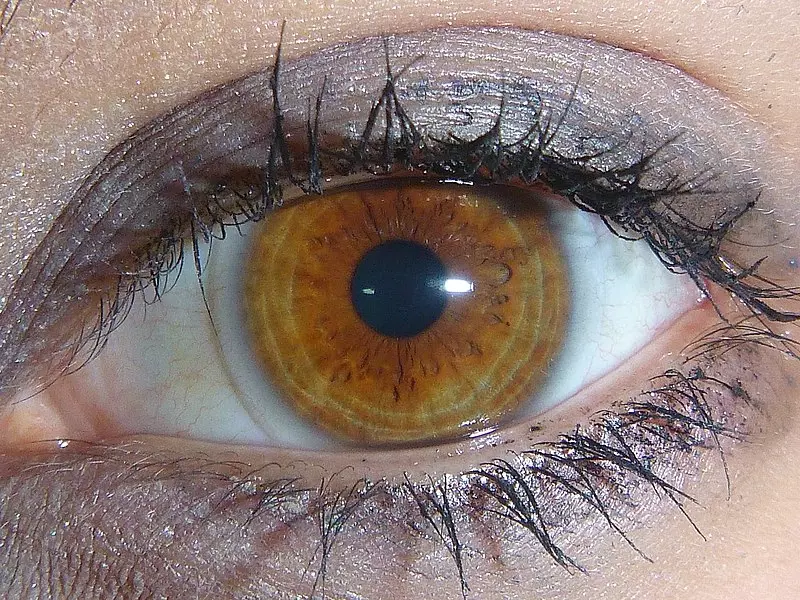
Is It Possible for Eye Color to Change?
Eyes are among the most striking and expressive organs of the human body. With their various shades and depth, eyes play an important role in how individuals express themselves. But is it possible for eye color to change? In this article, we will explore the process of eye color change and the factors that may influence it.
What Is Eye Color Change?
Eye color change refers to a situation in which the natural color of the eyes alters due to certain factors. While many people believe that their eye color remains the same throughout life, in some cases it can change. These changes may be either permanent or temporary.
Genetic inheritance is the primary factor that determines eye color. However, environmental influences and aging may also affect it. For example, eyes that appear blue during infancy may turn brown later in life. Such changes demonstrate how dynamic eye color can be.
Of course, eye color does not always change naturally. Some individuals who wish to alter their eye color may turn to certain medical procedures. These include laser treatments and iris implants. However, such procedures are not always safe and should be carefully evaluated.
Causes of Eye Color Change
There are several factors that may cause eye color to change. One of the most common reasons is genetic factors. Your genetic structure determines your eye color from the moment you are born. However, genetic variations and mutations may cause eye color to change over time.
Environmental factors also play an important role in the perception of eye color. In particular, light can influence how eye color appears. Exposure to sunlight may affect iris pigmentation, causing eyes to appear lighter or darker. This is especially common during the summer months.
Certain eye diseases or health conditions may also lead to changes in eye color. For example, conditions such as Horner syndrome or Fuchs heterochromic iridocyclitis can cause eye color changes. These conditions usually require medical attention and should be evaluated by a specialist.
The Role of Genetic Factors
Genetics is one of the main factors determining eye color. The genes inherited from your parents determine the color of your eyes. Eye colors such as blue, green, and brown arise from complex genetic combinations. For this reason, even siblings may have different eye colors.
Genetic mutations can sometimes lead to changes in eye color during a person’s lifetime. For example, due to a genetic mutation, the eyes of a blue-eyed individual may gradually appear greener over time. Although such changes are rare, they highlight the influence of genetics on eye color.
Family history and ethnic background are also genetic factors that influence eye color. Some populations are more likely to have certain eye colors. For instance, blue eyes are more common among individuals of Scandinavian origin, which demonstrates the strong genetic influence on eye color.
Light and Eye Color Changes
Light is one of the most important factors affecting the perception of eye color. Eyes may appear different under various lighting conditions. This does not necessarily mean that the eye color itself has changed, but rather that the perceived color varies.
Sunlight exposure can influence iris pigmentation. The production of melanin may increase or decrease depending on the intensity of light, which can make the eyes appear lighter or darker. During the summer months, it is common for eye color to appear slightly lighter.
Artificial lighting can also influence how eye color is perceived. Different light sources may cause eye color to appear in different shades. For example, eyes that appear green under fluorescent light may look more blue in natural daylight. These variations show how dynamic eye color perception can be.
Eye Diseases and Color Changes
Certain eye diseases may cause changes in eye color. For instance, Horner syndrome can affect the muscles around the pupil and may result in changes in eye color. Such conditions typically require medical evaluation and treatment.
Fuchs heterochromic iridocyclitis is another condition that may lead to changes in eye color. This condition affects iris pigmentation and can cause variations in eye color. It may also result in heterochromia, where the eyes appear in different colors.
Some medications and treatments may also influence eye color. For example, certain drugs used in the treatment of glaucoma may cause permanent changes in eye color by affecting melanin in the iris. These changes may persist even after the treatment ends.
Methods of Changing Eye Color
There are several methods available for individuals who wish to change their eye color. Laser treatments are among the most popular procedures for altering eye color. This treatment works by modifying iris pigmentation, which may lead to a permanent change in eye color. However, such procedures are not always safe and should be considered carefully.
Iris implants are another surgical method used to change eye color. In this procedure, an artificial implant is placed over the natural iris of the eye. However, such surgical interventions may carry serious risks and are generally not recommended.
Contact lenses offer a safer option for people who want to change their eye color temporarily. Colored contact lenses can instantly alter eye color and allow the eyes to return to their natural color once removed. Because they carry fewer risks than surgical procedures, they are often the preferred option.
 Call
Call
 Whatsapp