
Is Having Colored Eyes a Genetic Disease?
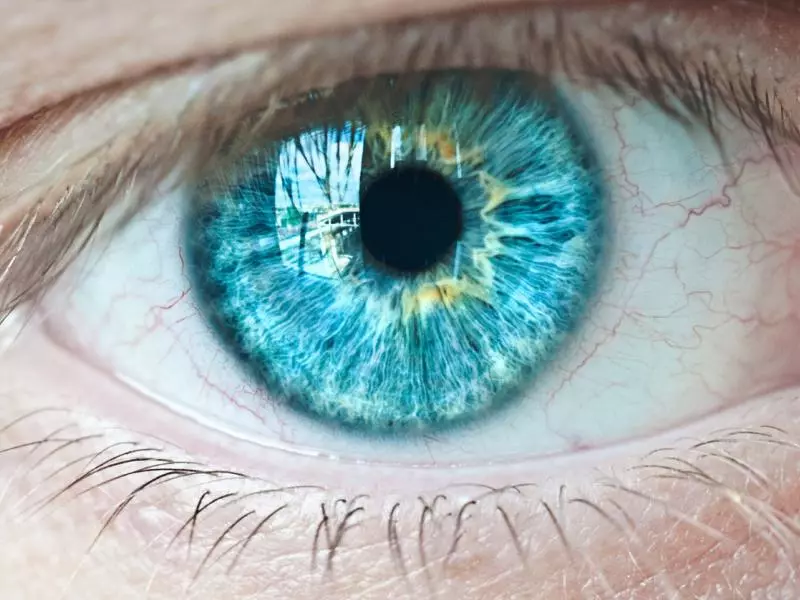
Colored eyes refer to the different shades that appear depending on the distribution and density of pigments in the iris. Although brown is the most common eye color in humans, blue, green, hazel, and gray are also frequently seen. Each eye color may appear in different tones depending on how light enters and scatters within the eye.
Genetic factors play a major role in the formation of eye color. The genes inherited from both parents determine an individual’s eye color. However, environmental influences and genetic mutations may also contribute to certain variations. Colored eyes, especially lighter shades, are beautiful examples of genetic diversity.
The aesthetic appeal of eye color has carried various meanings and symbolism across different cultures. This increases interest in colored eyes. However, colored eyes are not only an aesthetic trait; they may also have certain implications for health.
Is Having Colored Eyes a Genetic Disease?
The question “Is having colored eyes a genetic disease?” is one that many people wonder about. Colored eyes are generally not a sign of disease. However, some genetic syndromes and conditions may cause changes in eye color. In such cases, eye color differences may be evaluated as a symptom of an underlying condition.
Among genetic disorders, conditions such as Waardenburg syndrome can lead to differences in eye color. Individuals with Waardenburg syndrome may have heterochromia (two different colored eyes) or eyes that appear lighter than usual. However, such genetic syndromes are rare, and it should be remembered that colored eyes are most commonly found in healthy individuals.
In summary, colored eyes are typically considered a form of genetic variation and do not usually indicate any health problem. Only in exceptional cases may eye color differences be associated with a genetic syndrome.
Genetic Causes of Colored Eyes
The main factor determining eye color is the amount and distribution of melanin in the iris. Melanin is the same pigment found in our skin and hair. As the amount of melanin in the eyes increases, eye color becomes darker. Brown eyes contain high levels of melanin, while blue eyes contain less.
Our genetic makeup determines how much pigment we will have. Two key genes, OCA2 and HERC2, play a significant role in determining eye color. These genes regulate melanin production in the iris. The OCA2 gene controls the production of brown pigment, while the HERC2 gene regulates the activity of OCA2. The combination of these two genes creates different eye color shades.
Additionally, genetic inheritance affects how eye color is passed down. The genetic material inherited from both parents plays an important role in determining eye color. If both parents have colored eyes, the likelihood of the child having colored eyes increases, although this is not an absolute rule.
Laser Eye Color Change Methods
Laser eye color change has become an increasingly popular aesthetic procedure in recent years. This method is based on the principle of reducing the outer melanin layer of the iris using laser beams. As the melanin layer decreases, the eye color becomes lighter. Eyes that were originally brown may gradually shift to blue or green tones.
Although this procedure is chosen for aesthetic reasons, it may carry certain risks. Laser eye color change can cause permanent alterations in the eye, which may lead to vision-related problems. There is also a risk of infection after the procedure. For this reason, individuals considering this type of treatment should conduct thorough research and consult with a qualified physician.
In large cities such as Ankara, these procedures are performed more frequently. However, before undergoing such a procedure, it is important to be fully informed about its advantages and disadvantages. Having the procedure performed in a specialized clinic by an experienced doctor is essential to minimize potential risks.
Colored Eyes and Health: What You Should Know
Individuals with colored eyes may need to pay extra attention to eye health. Lighter-colored eyes can be more sensitive to sunlight, making it important to wear sunglasses with UV protection. Such eyewear helps protect the eyes from harmful rays and prevents potential damage.
Additionally, contact lens use is an important consideration for people with colored eyes. Maintaining proper hygiene while using lenses reduces the risk of infection. Proper cleaning and storage of lenses play a critical role in preserving eye health.
Finally, regular eye examinations are an essential step in maintaining eye health. Routine check-ups help detect potential eye problems early, allowing necessary precautions to be taken in a timely manner. Do not neglect your eye health, and make sure to protect your vision with regular examinations.
 Call
Call
 Whatsapp