
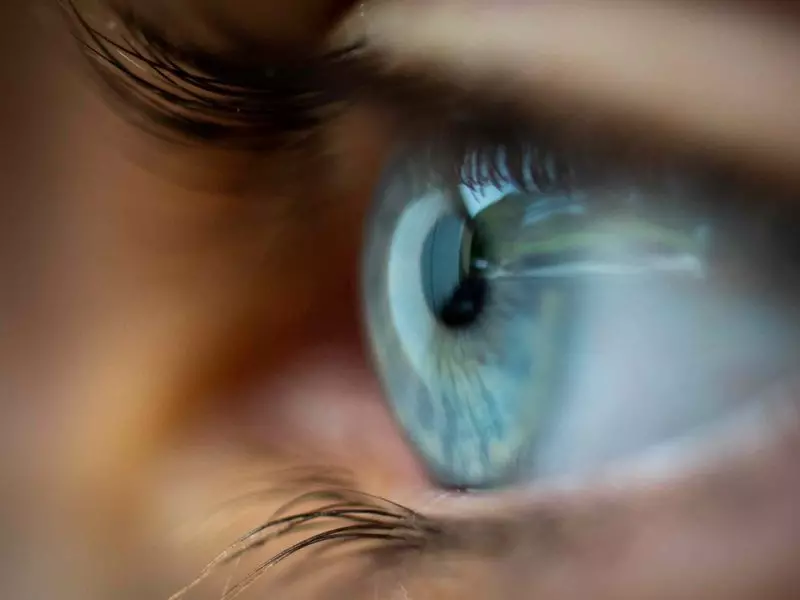
Is Having Colored Eyes a Disease?
Eye color is a trait determined by an individual’s genetic structure and generally remains stable from birth. However, in some cases, eye color may change or colored eyes may be associated with certain health conditions. In this article, we will examine whether having colored eyes poses a health problem and the role of genetic factors in eye color changes. We will also discuss eye color change methods available in Ankara and the laser eye color change process.
What Does It Mean to Have Colored Eyes?
Having colored eyes refers to eye colors other than dark brown, such as blue, green, or hazel. Eye color results from pigmentation in the colored part of the eye. The amount and distribution of melanin play a critical role in determining eye color. Eyes with less melanin are usually blue or green, while those with more melanin are brown or black.
Eye color is determined by genetic factors. The combination of genetic information inherited from parents defines an individual’s eye color. Genetic inheritance shows that eye color is a hereditary trait and, in most cases, remains stable throughout life. However, certain environmental factors and aging may lead to slight changes.
Colored eyes are generally considered an aesthetic feature and are desired by many people. Some individuals believe that eye color adds a unique beauty and highlight it through makeup or fashion choices. However, whether eye color poses a health concern is an important issue to consider.
Is Having Colored Eyes a Disease?
Having colored eyes is generally considered a natural and genetic condition and is not directly a sign of disease. However, in rare cases, changes or abnormalities in eye color may indicate certain health issues. For example, in a condition called heterochromia, a person may have two different eye colors, and this may be associated with some genetic disorders.
Sudden changes in eye color may signal an underlying health problem. For instance, fading of color or a sudden lightening of the eyes may indicate certain conditions affecting pigmentation. If such changes are noticed, it is important to consult an eye doctor.
In general, having colored eyes alone is not a disease. However, regular eye examinations are important to evaluate overall eye health. In addition to color changes, symptoms such as vision changes or discomfort should also be considered.
Eye Color Change and Genetic Factors
Eye color change usually occurs as a result of genetic factors. People may have different eye colors due to their genetic inheritance, and this is determined by the interaction of multiple genes. The inheritance of eye color is considered complex in genetics, as many genes work together to determine the final shade.
Changes in eye color can be observed in children after birth. For example, many babies are born with blue or gray eyes, which may later turn brown or green. This process is related to increased melanin production and the development of pigmentation. These natural changes occur as a combination of genetic and environmental factors.
Eye color changes may also be triggered by certain diseases or health conditions. Some eye disorders or trauma may lead to changes in eye color. Such cases usually require medical attention and professional evaluation to determine the underlying cause.
Eye Color Change Methods in Ankara
Eye color change procedures include several methods chosen for aesthetic reasons. In large cities such as Ankara, there are specialized clinics offering these services. Eye color change methods include colored contact lenses, colored implants placed inside the eye, and laser eye color change techniques.
Colored contact lenses are one of the most common methods used to temporarily change eye color. These lenses are available in various shades and provide a temporary aesthetic change. However, improper hygiene during contact lens use may pose risks to eye health.
Colored implants placed inside the eye may be considered by individuals seeking a permanent change. In this procedure, a colored implant is positioned inside the eye to alter appearance. However, such procedures may carry risks for eye health and must be carefully evaluated. All methods should be performed under the supervision and recommendation of a qualified eye specialist.
What Is Laser Eye Color Change?
Laser eye color change is an innovative method that has gained popularity in recent years. In this procedure, laser technology is used to reduce or eliminate pigment in the eye, causing the color to shift to a lighter tone. Since it has the potential to create a permanent change, it must be carefully evaluated.
The procedure requires careful planning and application. Before treatment, a detailed eye examination should be performed to determine whether the individual is suitable for the process. Although this method provides an aesthetic change, comprehensive information about potential risks and side effects is essential.
While eye color change procedures may be chosen for aesthetic purposes, protecting eye health should always remain the priority. Before undergoing such procedures, consulting a qualified eye doctor and carefully evaluating potential risks is highly recommended. If you aim for an aesthetic change without compromising eye health, professional guidance is essential for making the right decision.
 Call
Call
 Whatsapp