
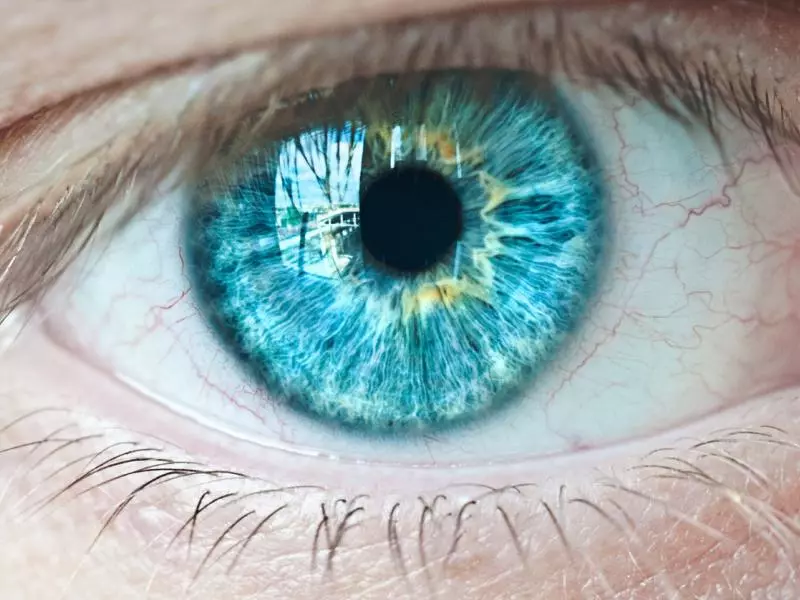
Interesting Eye Colors
The human eye is one of nature’s most fascinating features and appears in many different colors. Interesting eye colors can arise from a combination of genetic diversity and environmental factors. Some of these colors are rare, which makes them especially striking. For example, blue and green shades are less common worldwide, which contributes to their appeal. The amount of melanin, the way light reflects within the eye, and genetic inheritance all play major roles in determining eye color. A condition called heterochromia, in which a person has two different eye colors, can also occur and is often visually distinctive. Genetic variations may lead to different eye color tones, making individuals appear unique.
Among eye colors, shades such as gray, amber, hazel, and very dark brown are also often considered unusual or interesting. These colors may blend with other tones, creating unique visual effects. Amber eyes, in particular, may display a strong golden glow and attract attention due to their rarity.
Interesting Eye Colors and Their Influence on Personality Perception
Interesting eye colors are sometimes associated with personality traits, and this topic has been explored in psychological research. Eye color is often perceived as a feature that may offer clues about personality. For example, blue-eyed individuals are often seen as calm and trustworthy, while green-eyed individuals may be described as creative and passionate.
People may subconsciously use eye color as part of social perception. This suggests that eye color can influence how individuals are interpreted in social interactions. Green-eyed individuals may be perceived as confident and charismatic, while hazel-eyed individuals are sometimes viewed as mysterious and attractive. Such perceptions can affect the impressions formed during social communication.
Some studies have suggested that eye color may be linked to emotional responses or stress reactions. For instance, certain findings propose that hazel-eyed individuals may cope with stress differently, while blue-eyed individuals may be perceived in specific emotional ways. However, these interpretations are not definitive and should be viewed as general observations rather than fixed rules.
Common Eye Colors in Ankara
Ankara, located in the heart of Türkiye, is known for its cultural and genetic diversity. This diversity is also reflected in the range of eye colors seen among its population. Although brown eyes are the most common, shades such as blue and green are also present and attract attention.
Brown eye color is generally dominant among people living in Ankara, largely due to genetic inheritance. However, the number of individuals with blue or green eyes is also noticeable. This variation may result from genetic mixing and the coexistence of different ethnic backgrounds.
Eye color distribution can vary across different parts of the city. For example, blue eyes may appear more frequently in some urban areas compared to certain rural regions. This diversity reflects the demographic structure of the city.
How Is Laser Eye Color Change Performed?
Laser eye color change is an aesthetic procedure that has become more widely discussed in recent years. The process involves reducing or altering pigment in the iris using laser technology. In some cases, this may result in a permanent change in eye color.
The procedure usually includes several steps. First, a specialist evaluates the individual’s eye structure and general health condition. Then, laser energy is applied in a controlled manner to achieve the desired color change. Protective equipment is used during the procedure to help maintain safety.
The procedure is generally short and may involve minimal discomfort. However, proper aftercare is important. Protecting the eyes from infection risk and avoiding excessive sunlight exposure during the recovery period may be recommended to support healing.
Laser Eye Color Change – Advantages and Disadvantages
Laser eye color change may offer certain benefits but also involves potential drawbacks. For this reason, the procedure should be carefully considered before making a decision.
Potential Advantages:
-
Long-lasting results: Changes achieved through laser procedures may be permanent.
-
Relatively short recovery time: Many people can return to daily activities within a limited period.
-
Personal aesthetic preference: Some individuals may prefer a different eye color for cosmetic reasons.
Potential Disadvantages:
-
Medical risks: As with any medical procedure, risks such as infection, visual disturbances, or eye complications may exist.
-
Cost: The procedure can be expensive and may not be accessible to everyone.
-
Satisfaction concerns: Some individuals may feel that the result appears less natural than expected.
Laser eye color change is a decision that should be made carefully. Consulting a qualified eye specialist and understanding all possible outcomes is essential before proceeding.
Psychological Effects of Eye Color
Eye color is not only a physical feature but can also influence social perception and psychological impressions. People may interpret eye color as part of nonverbal communication, which can affect social interactions.
Research suggests that different eye colors may influence how personality traits are perceived. For example, hazel-eyed individuals may be viewed as more mysterious or charismatic, while blue-eyed individuals may be perceived as calmer or more reliable. These perceptions can influence social dynamics, although they are largely shaped by cultural and individual interpretations.
Eye color may also influence self-confidence, as personal appearance often affects how individuals see themselves and how they believe others perceive them. Different eye colors can contribute to personal identity and may affect mood or self-perception, depending on the individual.
 Call
Call
 Whatsapp