


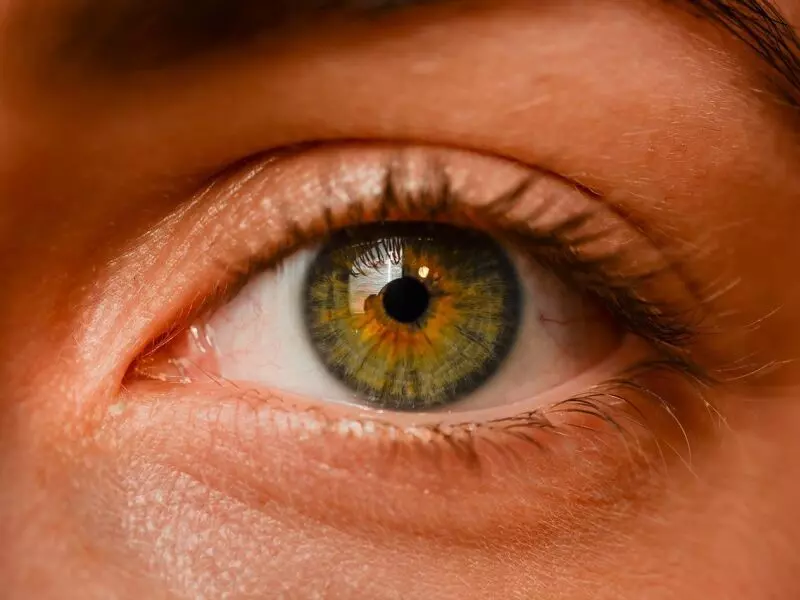
Colored eyes are a natural characteristic that gives the human eye a distinctive appearance and is largely determined by genetic factors. Colored eyes can appear in various shades such as blue, green, hazel, and brown. These colors vary depending on the amount and distribution of pigment found in the iris layer of the eye. Eye colors are the result of complex genetic combinations, which is why different eye colors can occur even within the same family.
Eye color usually becomes clear shortly after birth. Most babies are born with blue eyes, but this color may change over time. As the amount of melanin pigment increases, the eye color may gradually darken. Pigment cells located on the outer surface of the iris play a crucial role in determining eye color. The number and density of these pigment cells affect the brightness and depth of eye color.
Colored eyes are more than just an aesthetic feature. The way different eye colors absorb and reflect light can influence a person's visual experience. For example, light-colored eyes may allow more light to enter, which can make individuals more sensitive to bright light. For this reason, proper care and protection of colored eyes are important.
Formation of Colored Eyes
Colored eyes are inherited according to Mendel’s laws of genetics. The genes that determine eye color are passed from parents to children, and these gene combinations determine the level of pigmentation in the iris layer. Two main pigments involved in this process are melanin and lipochrome. Melanin is a darker pigment responsible for brown and black tones, while lipochrome contributes to lighter shades such as blue and green.
Differences in eye color among people arise from genetic diversity. For example, brown eyes are a dominant genetic trait and therefore appear in a large portion of the world’s population. On the other hand, rarer colors such as blue and green are controlled by recessive genes and appear less frequently. As a result, even members of the same family may have different eye colors.
In addition to genetic factors, environmental influences may also affect eye color. Certain health conditions or medications may cause temporary changes in eye color. However, such cases are usually not permanent. Learning about colored eyes helps us better understand and appreciate this natural diversity.
Psychological Effects of Colored Eyes
Eye color may influence how individuals are perceived, and this can have psychological effects. For example, in some cultures, blue eyes are associated with innocence and purity, while brown eyes may be associated with reliability and seriousness. These perceptions can play an important role in personal interactions and social relationships.
The popularity of colored eyes has changed throughout history. From ancient times to the present, different eye colors have carried different meanings in various societies. In certain periods, specific eye colors were considered beauty standards. This influenced how individuals perceived themselves and how they were perceived by others.
Eye color may also affect an individual’s confidence. For instance, people with rarer eye colors may see this trait as an advantage, which can boost their self-esteem. However, it is important to remember that eye color does not determine a person's value, and every eye color has its own unique beauty. By learning about colored eyes and their effects, we can celebrate these natural differences.
Care for Colored Eyes
Colored eyes may be more sensitive to light and therefore require special care. The first step in protecting your eyes is to wear UV-protective sunglasses. This helps maintain eye health while also highlighting the beauty of colored eyes. Light-colored eyes, in particular, can be more affected by sunlight, so it is important to be cautious during periods of strong sun exposure.
Regular eye examinations are another important way to maintain eye health. These check-ups allow you to detect any changes in your eyes early and take preventive measures if necessary. Additionally, you can use artificial tear drops to keep your eyes hydrated and wear blue-light filtering glasses if you spend long hours in front of screens.
Finally, maintaining a healthy lifestyle can positively affect eye health. Eating a balanced diet, getting enough sleep, and exercising regularly improve overall health, which is reflected in the health of your eyes. Caring for colored eyes is important not only for aesthetic reasons but also for maintaining good eye health.
Popularity and History of Colored Eyes
Colored eyes have carried different meanings in various cultures throughout history. In Ancient Egypt, blue eyes were considered a divine trait, while during the Middle Ages, green eyes were often associated with witchcraft. Such beliefs shaped the social perception of eye color and led people to attribute different meanings to it.
Today, colored eyes are generally associated with beauty and attractiveness. In popular culture, blue and green eyes are frequently highlighted as symbols of aesthetic appeal. The fact that celebrities and models stand out with different eye colors has strengthened this perception. Although the popularity of colored eyes has changed over time, their aesthetic value has always been appreciated.
However, it should not be forgotten that eye color does not determine a person’s character or worth. Every eye color has its own unique beauty, and this diversity reflects the richness of humanity. By learning more about colored eyes, we can celebrate these natural differences and appreciate the beauty of every eye color.
Colored Contact Lenses: Usage and Care Guide
Colored contact lenses are a popular option for people who want to temporarily change their eye color. These lenses not only create an aesthetic appearance but also allow individuals to express their style and personality. However, there are some important points to consider when using colored lenses. First, make sure you purchase your lenses from a reliable source and consult an eye doctor before using them.
Lens care is an essential part of protecting your eye health. Clean and disinfect your lenses with the appropriate lens solution before and after each use. It is also important to follow the recommended usage period and avoid exceeding it. Removing your lenses at night and allowing your eyes to rest is another key way to maintain eye health.
Finally, maintaining proper hygiene while using lenses is crucial. Always wash your hands before touching your lenses and clean your lens case regularly. Using colored contact lenses can be a great way to achieve an aesthetic appearance without harming your eyes, as long as they are used and maintained properly.