
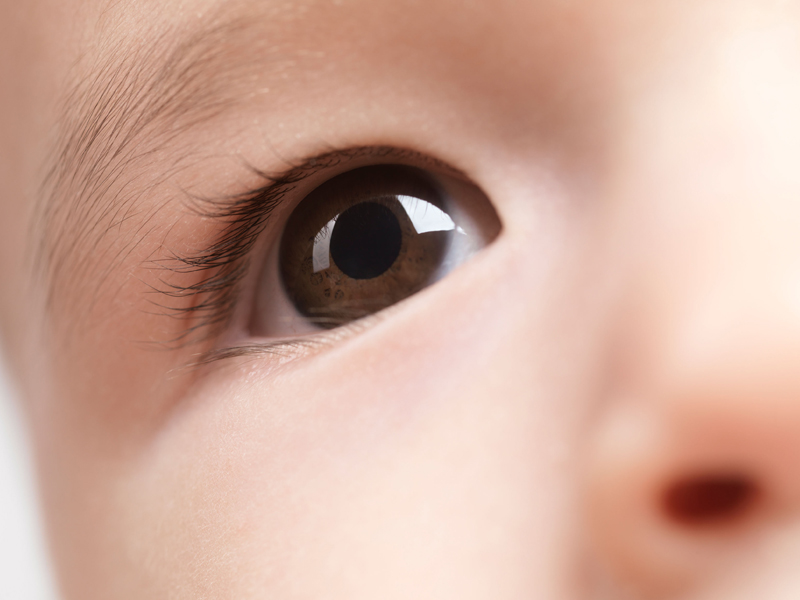
If the Father Has Colored Eyes, What Will the Baby’s Eyes Be Like?
If the father has colored eyes, what will the baby’s eyes look like? This is a question that is frequently asked, because eye color is a topic that many families are curious about. Influenced by genetic factors, eye color becomes one of a child’s distinctive characteristics. Determining how the eye color of a baby with a colored-eyed father will develop can seem like a genetic puzzle. Under the topic “If the father has colored eyes, what will the baby’s eyes be like?”, we will examine this subject in depth.
Eye color depends on the pigmentation of the colored part of the eye known as the iris. Predicting how this pigmentation will develop in a baby whose father has colored eyes is possible based on genetic information. However, such predictions cannot be considered definitive. Because of the complexity of genetic factors, different outcomes may occur in every child.
If the father has colored eyes, the probability that the baby will also have colored eyes may be higher. However, this also depends on the mother’s genetic background. Eye color is influenced by the genetic codes of both parents. Therefore, predicting a baby’s eye color requires detailed knowledge of the parents’ eye colors and their genetic history.
The Genetic Basis of “If the Father Has Colored Eyes, What Will the Baby’s Eyes Be Like?”
To understand the genetic basis of eye color, it is important to know how genes and chromosomes function. A person’s genetic structure is shaped by chromosomes inherited from each parent. Eye color is also influenced by this genetic structure. Generally, brown eyes are associated with dominant genes. If the father has colored eyes and dominant genes are present in his genetic background, the baby’s eyes may also be colored.
However, eye color genes are not limited to dominant and recessive traits. Eye color is a polygenic trait, meaning it results from the complex interaction of many genes. The combination of genetic and polygenic factors allows eye color to vary across a wide spectrum. Therefore, when predicting a child’s eye color, these complex interactions must be taken into consideration.
Research on the genetic foundations of eye color shows how complex and multifaceted genetic inheritance can be. These studies help us understand not only eye color but also how other physical traits are inherited. If the father has colored eyes, evaluating what this means genetically can be both interesting and informative for parents.
Eye Color and Genetics: Which Factors Are Influential?
The genetic factors that determine eye color are mainly associated with genes that influence iris pigmentation. Among the most important of these genes are OCA2 and HERC2. The OCA2 gene affects whether the eyes appear blue or brown, while the HERC2 gene regulates the level of this effect.
Other factors that influence pigmentation levels include melanin production and genetic variations. Melanin is the pigment that determines the darkness of eye color. High levels of melanin generally lead to darker eye colors. Genetic variations can influence melanin production and distribution, resulting in the appearance of different eye colors.
In addition to genetic factors, environmental influences may also affect eye color. For example, lighting conditions and aging can cause subtle changes in eye color. Babies may be born with lighter eye colors, but as melanin production increases over time, their eye color may darken. Therefore, a combination of genetic and environmental factors ultimately determines the final eye color.
Psychological Effects of Different Eye Colors
Eye color is not only a physical characteristic but can also carry psychological and social associations. Research suggests that people may perceive individuals differently based on eye color and sometimes associate certain personality traits with it. For example, blue eyes are often associated with calmness and serenity, while brown eyes are commonly linked with warmth and passion.
These perceptions can influence social interactions. Eye color may play a role in first impressions and affect how individuals are perceived within their social environments. Blue-eyed individuals may be perceived as more trustworthy and friendly, while green-eyed individuals may be seen as mysterious and attractive.
The psychological effects of eye color can also influence factors such as self-confidence and self-esteem. Eye color may affect how individuals view themselves and how they believe others perceive them. Understanding these personal and social influences requires examining how individuals interact with both themselves and their social surroundings.
Eye Color Inheritance in Families: What Can Be Expected?
Eye color inheritance within families reflects genetic heritage and is shaped by the genetic characteristics of both parents. Predicting the eye color of a baby whose father has colored eyes requires evaluating the genetic traits and family histories of both parents.
Eye color inheritance often depends on the genetic history of a family. For example, if green eyes are present in the family, the likelihood of a child having green eyes may increase. However, because of genetic variations and combinations, outcomes do not always occur as expected. This highlights the complexity and unpredictability of genetics.
Studies on eye color inheritance help us understand how genetic traits are passed from generation to generation. For parents, this knowledge carries not only scientific value but also emotional significance. Predicting their child’s eye color can be an exciting process and may even strengthen family bonds.
 Call
Call
 Whatsapp