
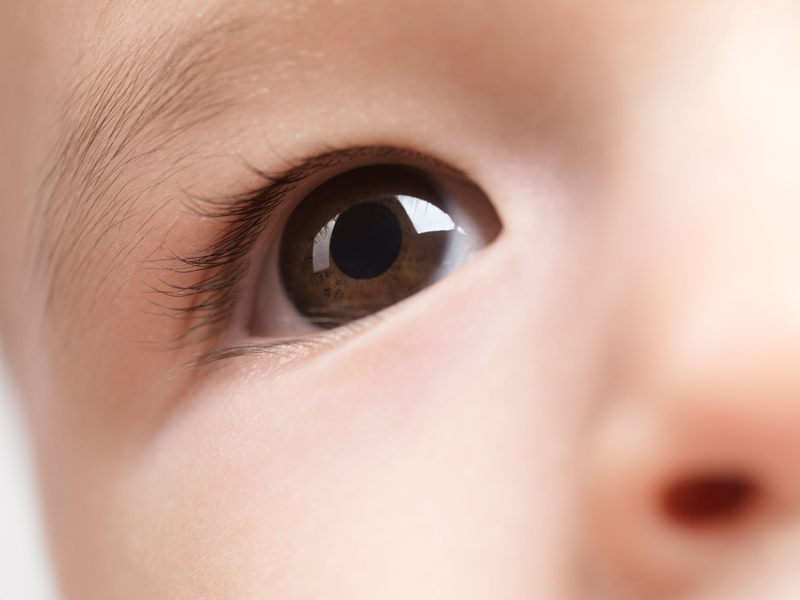
If a Newborn Baby’s Eyes Are Gray, What Color Will They Become?
It is common for newborn babies to have gray eyes. This situation may increase parents’ curiosity and bring to mind the question, “If a newborn baby’s eyes are gray, what color will they become?” In this article, we will discuss how eye color forms in newborns, how it changes over time, and the genetic factors underlying these changes. We will also examine the possible outcomes of gray eyes and the effects of eye color on health.
How Does Eye Color Form?
The formation of eye color is primarily based on genetic factors. The main pigment that determines eye color is melanin, and the amount and distribution of melanin directly affect eye color. The more melanin there is, the darker the eye color becomes. For example, blue eyes have less melanin, while brown eyes have a higher amount.
Eye color is determined by genes passed from parents to the child as a result of genetic inheritance. There are several genes that determine eye color, but the most important ones are the OCA2 and HERC2 genes. These genes affect both melanin production and the tone of the eye color. The combination of genes may cause children to have eye colors in various shades.
A child’s eye color does not become fully apparent immediately after birth. Especially in babies with light-colored eyes, eye color may change within a few months after birth. This change is related to the increase in melanin production and the settling of pigments in the eye over time. Therefore, gray eyes may darken or turn into another color over time.
Eye Color Change in Newborn Babies
Eye color change is frequently observed in newborn babies. Eyes that are gray or blue at birth may turn into a different color within the first six months. This change is generally associated with increased melanin production. Eye color change in babies can be an exciting process for parents.
During this change, different tones may be observed in the baby’s eyes. For example, eyes that are initially blue may turn into green or brown over time. This process depends not only on genetic factors but also on environmental factors. Melanin production can be influenced not only by genetics but also by environmental factors such as light.
For parents, this process is intriguing in terms of seeing the outcome of their baby’s genetic inheritance. However, there is no exact timeline for eye color change, and it may vary for each baby. A baby’s eye color usually begins to become clear by the end of the first year.
Genetic Factors of Eye Color
Genetic factors play an important role in determining eye color. Genes inherited from the mother and father determine the child’s eye color, and the genetic structure of both parents is taken into account. For example, if both parents have brown eyes, the child will most likely have brown eyes as well. However, this is not always certain.
The complexity of genetic factors can make it difficult to predict eye color. There are multiple genes that affect eye color, and their combination can result in different shades. In addition, genetic mutations and variations may also influence eye color. Therefore, two blue-eyed parents may have a child with brown eyes.
In addition to genetic factors, family history may also influence eye color. For example, if there are different eye colors in the family, this may also affect the child’s eye color. Genetic science helps us understand how physiological traits such as eye color are inherited, while also revealing the uniqueness of each individual’s genetic structure.
Possible Outcomes of Gray Eyes
Gray eyes are a rare and striking eye color and may lead to various outcomes. One of the most distinctive features of gray eyes is that they can change depending on light and environmental conditions. This variability may cause gray eyes to appear blue or green under different lighting conditions.
People with gray eyes often enjoy this unique color, but for some individuals, it may also require attention in terms of eye health. Sensitivity to light may increase, which can cause discomfort in sunny conditions. Therefore, individuals with gray eyes are advised to use sunglasses outdoors.
Another important aspect of gray eyes is that they are generally more common in colder climates. This may result in a higher number of gray-eyed individuals in populations genetically adapted to cold environments. Therefore, gray eyes are a result of both genetic and environmental factors.
Effects of Eye Color on Health
Eye color is not only an aesthetic feature but also a factor that has certain effects on health. For example, individuals with darker eyes may be more protected against sunlight because they have more melanin, which reduces the effect of ultraviolet rays. In contrast, individuals with lighter-colored eyes may be more sensitive to sunlight and may require more protection.
Eye color may also be associated with certain eye diseases. For example, individuals with lighter-colored eyes are known to have a higher risk of developing eye diseases such as age-related macular degeneration. Therefore, regardless of eye color, it is important to have regular eye examinations and maintain eye health.
In addition, eye color may also have an effect on individuals’ psychological states. Some studies suggest that different eye colors may influence emotional responses and behaviors. Therefore, eye color should be considered not only as a physiological but also as a psychological characteristic.
 Call
Call
 Whatsapp