
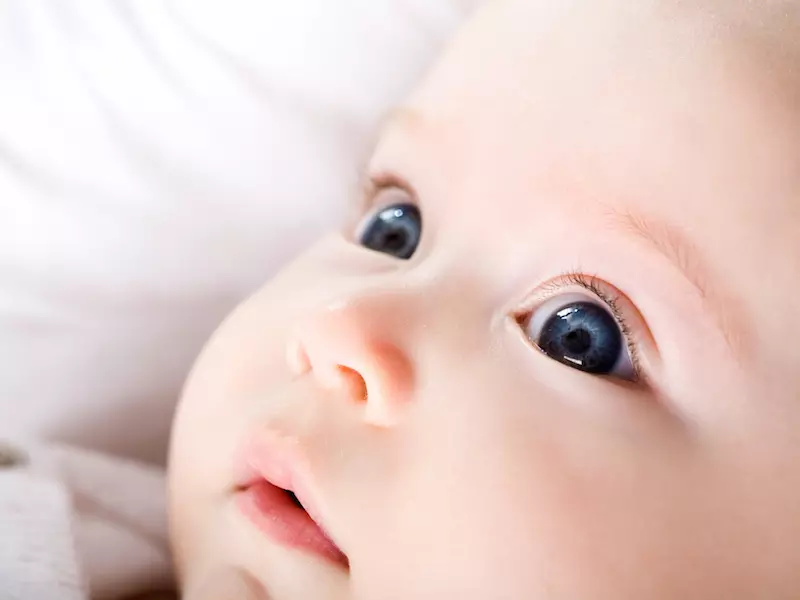
If a Baby’s Eye Color Is Gray
A baby’s eye color is a topic that sparks curiosity for many parents from the very first days of life. If a baby’s eye color is gray, it often draws special attention because gray eyes are rarer and more distinctive than other colors. Eye color is an important part of a person’s physical appearance and is often compared with that of other family members. It is a unique trait that contributes to an individual’s identity and overall character.
Eye color also carries psychological and cultural meanings. In different cultures, certain eye colors may be associated with specific personality traits or even destiny. Gray eyes, for example, may symbolize mystery and wisdom in some societies, while in others they may be associated with distance or coolness. These perceptions can influence how parents and others interact with the baby.
Another important aspect of eye color is its connection to health. Different eye colors may affect sensitivity to light or predisposition to certain eye conditions. Therefore, determining and monitoring a baby’s eye color is not only an aesthetic matter but also has health-related significance.
How Is Eye Color Determined? Genetic Factors
Eye color is determined by genetic factors and is passed from parents to the child through a combination of genes. If a baby’s eye color is gray, this reflects the complexity and diversity of genetic inheritance. Eye color is directly related to the amount of melanin in the iris. High melanin levels result in darker eye colors, while low levels lead to lighter shades.
Genetics is not the only factor involved. Two main pigments—eumelanin and pheomelanin—also play a role in determining eye color. The proportions and distribution of these pigments create different tones. Gray eyes typically result from a unique distribution of these pigments and often include a mix of blue and green tones.
In addition to genetics, environmental factors and health conditions can influence eye color. For example, some babies experience changes in eye color after birth. This change usually occurs within the first 12 months and is linked to the development of iris pigmentation. Therefore, even if a baby’s eyes appear gray at first, they may change to a different color over time.
What Does It Mean If a Baby’s Eyes Are Gray?
If a baby’s eyes are gray, this can be an exciting surprise for parents. Gray eyes offer a rare and striking appearance. This eye color is more commonly seen in individuals of Northern European descent. Its rarity highlights the uniqueness of the child’s genetic makeup and adds a distinct aesthetic quality.
Gray eyes are often more sensitive to light, which means extra care may be needed in bright environments. This sensitivity can affect the baby’s comfort and eye health. Therefore, it is important to protect babies with gray eyes from strong sunlight and ensure proper eye care.
The meaning of gray eyes can vary depending on cultural and personal perspectives. In some cultures, gray eyes symbolize wisdom and depth, while in others they may be perceived as distant or reserved. Being aware of these perceptions can help parents support their child’s identity development.
Eye Color Changes and Their Effects on Development
A baby’s eye color may change during the first months of life. This change is associated with the gradual increase of pigment in the iris. If a baby’s eye color is gray, it may later shift to blue, green, or another shade. This is a natural part of development, and the final eye color may take up to a year or more to settle.
Changes in eye color can also have indirect effects on development. By observing these changes, parents may gain insights into their baby’s genetic background. It can also increase awareness of the baby’s overall health and development.
Eye color changes may even influence psychological development. Since eye color is part of personal identity, these changes can shape a child’s self-perception and social interactions. With support from parents, children can develop confidence and strong social skills during this process.
What Should Parents Pay Attention to?
If a baby’s eye color is gray, there are several important points parents should consider. Gray eyes may be more sensitive to light, so it is important to take precautions to protect eye health. Using a hat or appropriate eye protection outdoors can be beneficial.
Parents should also closely monitor any changes in eye color. Sudden or unusual changes could indicate potential health concerns, in which case consulting a doctor is recommended. Regular eye check-ups are also important to ensure healthy eye development.
Finally, parents should celebrate and appreciate their child’s unique eye color. Eye color is an important part of identity, and supporting this uniqueness can help boost a child’s confidence. Embracing this special trait with love allows children to grow with a strong sense of self.
 Call
Call
 Whatsapp