
How Rare Is Hazel Eye Color?
Hazel eye color is one of nature’s unique gifts. This distinctive shade appears as a blend of different tones and offers each individual a one-of-a-kind look. But how rare is hazel eye color really? In this article, we explore its characteristics, genetic background, and prevalence to answer that question.
What Is Hazel Eye Color?
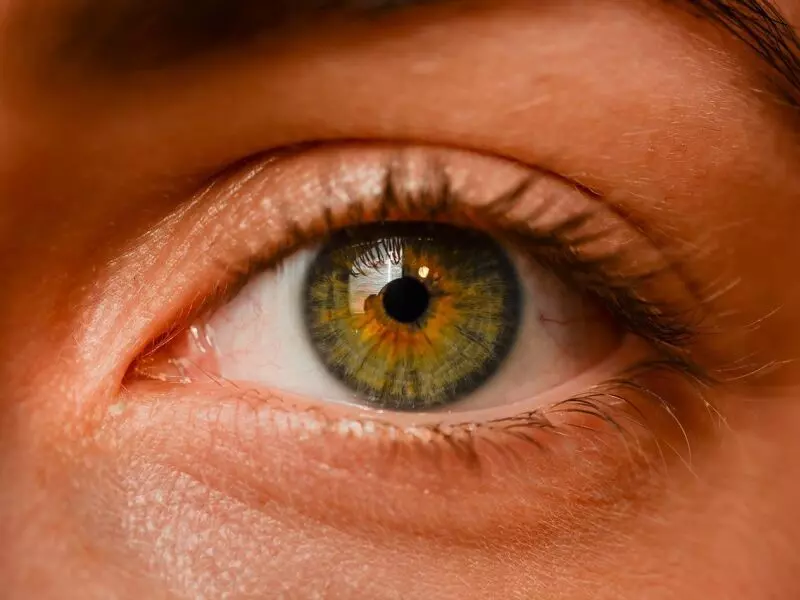
Hazel eye color is a complex shade that contains multiple tones. It typically combines brown, green, and sometimes golden hues. These transitions can vary depending on how the eyes appear under different lighting conditions. Hazel eyes may shift in tone based on the angle and intensity of light, making them particularly captivating.
Hazel eye color is closely related to the pigmentation of the iris. The iris, which controls the amount of light entering the eye, contains a pigment called melanin. The amount and distribution of melanin determine eye color. In hazel eyes, this distribution is more intricate compared to other eye colors, which explains why they can appear different in various lighting conditions.
One of the most striking features of hazel eyes is their multidimensional color transitions. These shifts may even seem influenced by mood, clothing, or makeup. As a result, individuals with hazel eyes often display a dynamic and expressive appearance.
Characteristics of Hazel Eye Color
The defining feature of hazel eyes is the combination of multiple shades within the same iris. Often, a golden or brown ring appears near the center, while green tones dominate the outer area. This unique blend distinguishes hazel eyes from other colors.
Individuals with hazel eyes are sometimes perceived as naturally harmonious and expressive. This eye color may reflect emotional depth and personality. Additionally, hazel eyes pair well with a wide range of clothing and makeup choices, making them especially popular in fashion and beauty contexts.
Another key characteristic is their responsiveness to environmental factors. Depending on the direction and strength of light, hazel eyes can appear lighter or darker. This quality keeps them visually intriguing and distinctive.
How Rare Is Hazel Eye Color?
Hazel eye color is considered one of the rarer eye colors worldwide. Statistics suggest that approximately 5% to 8% of the global population has hazel eyes. Compared to more common eye colors such as brown or blue, hazel eyes are significantly less frequent.
Despite their rarity, hazel eyes can be found across the globe. They are more commonly seen in parts of Europe, North America, and Central Asia. Genetics plays a major role in determining their distribution. If there is a family history of hazel eyes, the likelihood of this eye color appearing in future generations increases.
For many people, having hazel eyes is a source of pride. Their relative rarity enhances their aesthetic appeal and uniqueness. Like any physical trait, eye color contributes to personal identity and individuality.
Hazel Eye Color and Genetic Factors
Genetics plays a major role in the development of hazel eye color. Eye color is inherited from parents and influenced by multiple genes. Hazel eyes have a genetically complex structure and can result from various combinations of eye color genes. Children of parents with brown and green eyes are more likely to have hazel eyes.
The key factor in determining eye color is iris pigmentation and melanin levels. In individuals with hazel eyes, melanin levels are typically moderate, allowing multiple tones to appear simultaneously. Genetic diversity leads to variations in shade and intensity within hazel eyes.
Scientific research shows that eye color is a polygenic trait, meaning it is influenced by multiple genes rather than a single one. This explains why hazel eyes are so varied and complex. Genetic factors contribute to both their rarity and uniqueness.
The Prevalence of Hazel Eyes
Although hazel eye color appears more frequently in certain regions, it remains rare in the overall global population. Hazel eyes are more common in parts of Europe, including Ireland, Spain, and Eastern European countries. They are also relatively prevalent in North America, while significantly less common in many parts of Asia and Africa.
Regional differences influence the distribution of hazel eyes. Historical migration patterns and geographic adaptation have shaped genetic diversity across populations, resulting in varying eye color prevalence in different regions.
Cultural perceptions also influence how hazel eyes are viewed. In some cultures, they are considered symbols of beauty and attractiveness, while in others they may receive less emphasis. These perceptions shape how hazel eyes are valued and interpreted globally.
In conclusion, hazel eye color is relatively rare, present in a small percentage of the world’s population. Its complex genetic background, shifting tones, and regional variation make it one of the most distinctive and fascinating eye colors.
 Call
Call
 Whatsapp