
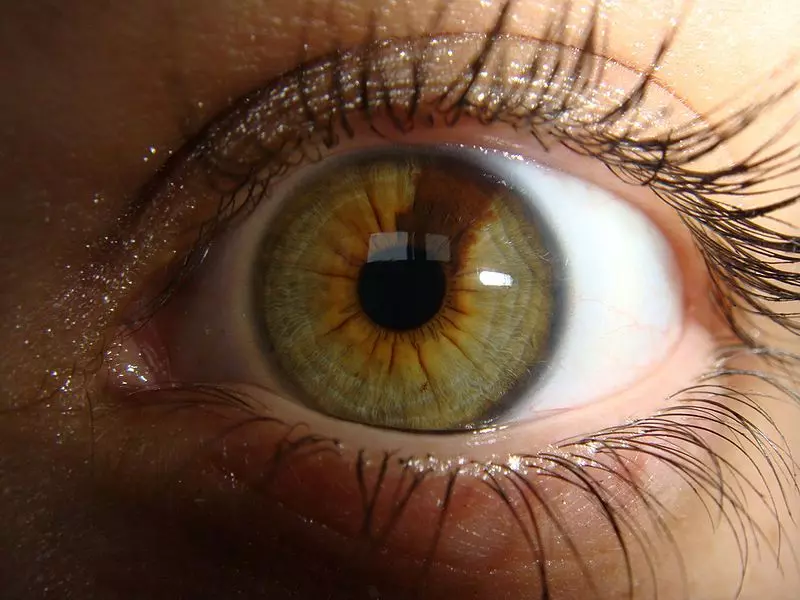
How Rare Are Hazel Eyes?
Hazel eye color is considered fascinating and attractive by many people. However, the question “How rare are hazel eyes?” is frequently asked by those curious about how many people have this eye color. In general, hazel eyes are found in approximately 5% to 8% of the world’s population. This percentage places hazel eyes in a relatively rare and distinctive category.
The rarity of hazel eyes is related to genetic diversity and regional distribution. Various genetic factors play a role in the development of hazel eyes, which is why this eye color may be more common in certain regions and quite rare in others. Hazel eyes are more frequently observed in parts of Europe and Central Asia.
Their relative rarity makes hazel eyes feel more unique and desirable. People with hazel eyes often stand out due to their distinctive appearance, which gives this eye color both aesthetic value and a sense of individuality.
Characteristics of Hazel Eyes
Hazel eyes are known for their unique and complex color structure. This eye color is typically described as a blend of green, brown, and golden tones. One of the most striking features of hazel eyes is their ability to appear to change color depending on lighting and environmental conditions.
Hazel eyes have a multi-layered appearance created by the combination of different tones. The way light interacts with the eye can alter how the color is perceived. For example, in bright sunlight, hazel eyes may appear lighter, while in dim lighting they may look darker.
Another characteristic of hazel eyes is the variation from person to person. Some hazel eyes may appear more green or yellowish, while others may lean more toward brown shades. This diversity enhances the uniqueness and appeal of hazel eyes.
The Prevalence of Hazel Eyes in Ankara
Although hazel eye color appears at different rates across Türkiye, the percentage may vary in large cities such as Ankara. As a cosmopolitan city where people from diverse ethnic backgrounds come together, Ankara reflects a broad range of genetic traits, including eye color distribution.
In Ankara, the proportion of people with hazel eyes is estimated to range between 10% and 15%. This percentage may vary depending on the city’s diverse cultural and genetic heritage. The mixture of different backgrounds contributes to the relatively higher visibility of hazel eyes in the region.
In Ankara, hazel eyes are often considered an eye-catching feature. Individuals with this eye color frequently describe their appearance as aesthetically pleasing, which further enhances the appeal of hazel eyes.
Eye Color and Genetic Factors
Eye color is determined by genetic factors and results from a combination of genes inherited from both parents. Hazel eye color is influenced by complex pigment interactions and varying melanin distribution within the iris.
Genetic science plays a crucial role in determining eye color. The most well-known genes involved are OCA2 and HERC2, which influence whether eye color appears blue, green, brown, or hazel. The formation of hazel eyes is linked to specific combinations of these genes.
Genetic factors not only determine the rarity and unique structure of hazel eyes but also explain how this eye color is passed down through families. The presence of different eye colors within a family may increase the likelihood of hazel eyes appearing in future generations.
Changing Eye Color with Contact Lenses
For those who wish to change their eye color, contact lens use is a popular option. Colored contact lenses provide a temporary way to alter eye color and can be an effective solution for individuals who desire the appearance of hazel eyes.
Lenses are placed over the natural eye color to create the desired shade. This method offers a practical and convenient solution. However, certain precautions must be taken when using lenses. Maintaining proper hygiene and using lenses under professional guidance is essential for protecting eye health.
For individuals who want the look of hazel eyes, colored lenses provide an aesthetic transformation while allowing personal expression. They are an ideal choice for those who are not satisfied with their natural eye color or who wish to experiment with a different appearance.
Laser Eye Color Change Methods
Laser eye color change is a modern method for those seeking a permanent transformation. This technique has gained popularity among individuals who want to permanently alter their eye color. The procedure works by targeting the melanin pigment in the eye and reducing its concentration to achieve a lighter shade.
Laser eye color change must be performed carefully by qualified professionals. The safety and effectiveness of the procedure require expertise, and it is recommended that it only be carried out in authorized centers. After the procedure, sensitivity and temporary side effects may occur, so professional follow-up is important.
Although this method offers a permanent solution, it completely alters the natural eye color. For individuals who wish to achieve hazel eyes, laser eye color change may provide a long-term transformation. However, detailed research and expert consultation are strongly recommended before undergoing such a procedure.
 Call
Call
 Whatsapp