
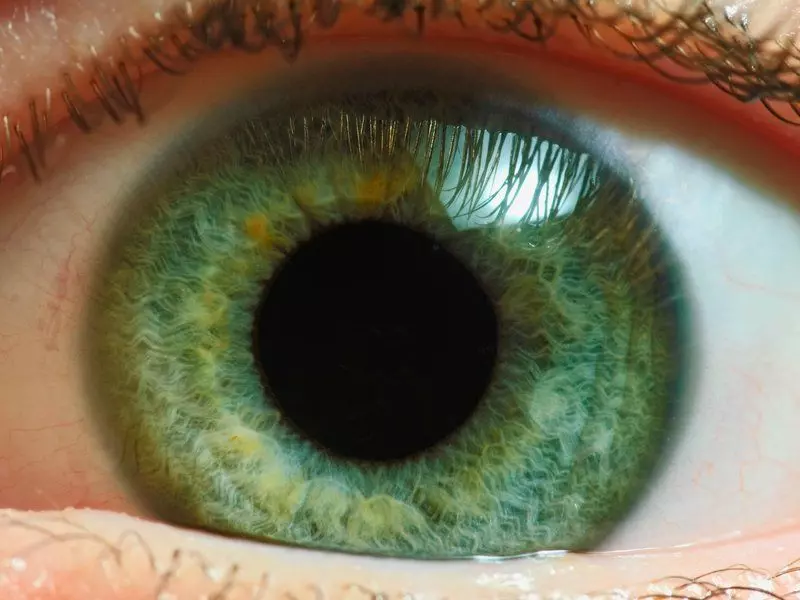
How Rare Are Green Eyes?
Green eyes are considered one of the rarest eye colors in the world and are often seen as uniquely attractive. This eye color lies between blue and brown and may display different shades under various lighting conditions. Green eyes often add depth and mystery to a person’s facial expression, creating a striking appearance.
The most important factor that determines eye color is the amount of melanin in the iris, the colored part of the eye. The melanin level in green eyes is lower than in brown eyes but higher than in blue eyes. This balance allows green eyes to develop their distinct shade, which makes them special.
The appeal of green eyes comes not only from their appearance but also from their rarity. This eye color is found in only a small number of people worldwide and is shaped by both genetic factors and environmental influences. For this reason, individuals with green eyes may feel proud of this unique characteristic.
How Rare Are Green Eyes?
Green eyes are found in only about 2% of the world’s population, making them quite rare. This rarity makes green eyes an especially distinctive and desirable trait. The question “How rare are green eyes?” is often asked by people who are curious about the uniqueness and beauty of this eye color.
Northern and Central Europe are the regions where green eyes are most commonly found. Countries such as Ireland and Scotland have higher numbers of people with green eyes. However, even in these regions, the overall global number of green-eyed individuals remains limited. This raises curiosity about how green eyes are inherited genetically and how environmental factors may influence their occurrence.
The rarity of green eyes makes them even more fascinating. People with this eye color often attract attention because of their striking appearance. Throughout history, green eyes have also appeared in many myths and legends, which contributes to their mysterious aura.
Formation of Green Eyes and Genetic Factors
To understand how green eyes form, it is important to look at genetic structure. Eye color is inherited genetically and determined by the interaction of several different genes. In particular, the OCA2 and HERC2 genes play an important role in the development of green eyes. These genes regulate melanin production in the iris and directly influence eye color.
Genetic factors also explain why green eyes are so rare. To have green eyes, a person typically needs to inherit specific gene combinations from both parents. This reduces the probability of green eyes appearing and makes them relatively uncommon. Environmental factors are also thought to play a minor role in the development of green eyes.
As a result, green eyes are considered a genetic trait that emerges from the interaction of multiple factors. This makes them even more intriguing and keeps them an ongoing subject of scientific research. Understanding the genetics behind green eyes helps reveal the mystery behind this rare eye color.
Global Distribution of Green Eyes
The prevalence of green eyes varies significantly across different regions of the world. Europe—particularly Ireland, Scotland, and Iceland—has a higher percentage of individuals with green eyes. In these areas, approximately 10–20% of the population may have green eyes, suggesting that the trait is more common within the local genetic pool.
In contrast, the number of people with green eyes in continents such as Asia and Africa is relatively low. This difference can be explained by genetic diversity and the historical mixing of populations over time. Nevertheless, green-eyed individuals can occasionally be found in these regions, making them even more distinctive within their communities.
These variations show that green eyes are the result of both genetic inheritance and environmental influences. Although rare worldwide, green eyes hold different meanings across cultures, which further enhances their appeal.
The Importance of Caring for Green Eyes
Green eyes may be more sensitive than some other eye colors and therefore may require special care. Eye health is an essential part of overall well-being, and there are several important steps that can help keep green eyes healthy.
Sun Protection:
Because green eyes contain less melanin, they may be more sensitive to sunlight. Wearing sunglasses that protect against ultraviolet (UV) rays is important for protecting the eyes.
Regular Eye Checkups:
Routine eye examinations are essential for maintaining eye health. These checkups help detect eye conditions early and allow for timely treatment.
Nutrition:
A diet rich in vitamins A, C, and E can support eye health. Foods such as leafy green vegetables, carrots, and fish can contribute to maintaining healthy eyes.
The rarity and beauty of green eyes make them special. However, protecting this beauty requires proper eye care. With regular care and protection, the natural charm of green eyes can be preserved for many years.
 Call
Call
 Whatsapp