
How Many People Have Hazel Eye Color?
Hazel eye color is one of the most fascinating eye colors that nature offers us. This color, which emerges as a result of the interaction of pigments and light that determine eye color, is wondered by many people. In this article, we will examine what hazel eye color is, how many people have it, its genetic characteristics, in which countries it is more common in the world, and celebrities who have hazel eye color. If you are ready, let’s begin this colorful journey.
What Is Hazel Eye Color?
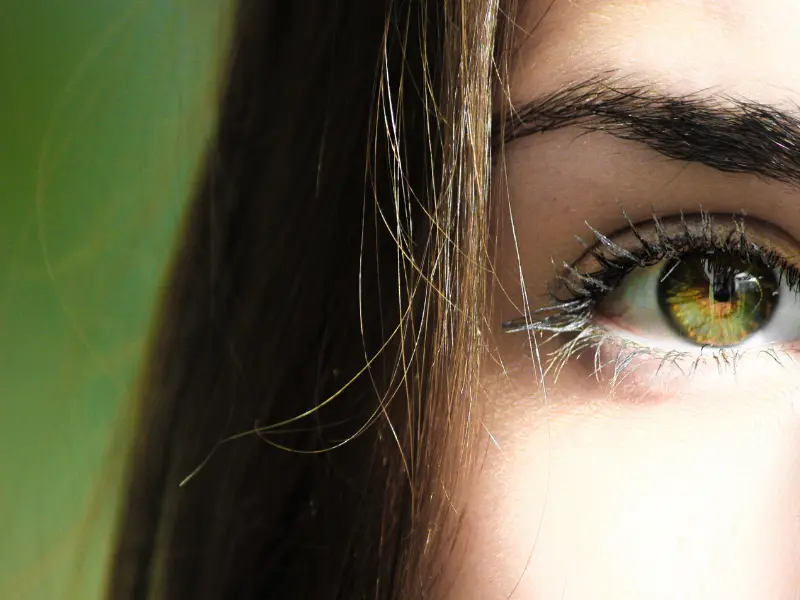
Hazel eye color is generally defined as a mixture of green, brown, and golden tones. When viewed from a certain angle, different color tones can be observed. This color change is related to how pigments in different layers of the eye reflect light. Depending on the amount of light, hazel eyes tend to appear in different colors in different environments.
Hazel eye color is rarer compared to other eye colors. This rarity makes hazel eyes more noticeable and special. The color of hazel eyes may vary depending on light and environmental factors. Especially in sunlight, the color of hazel eyes becomes more pronounced, and golden or green tones stand out more.
The attractiveness of this eye color has gained aesthetic appreciation in many cultures. Hazel eyes have been frequently emphasized as an element of beauty in literary works and art throughout history. These impressive eyes may carry different meanings in different cultures, but they are always accepted as a symbol of attractiveness.
How Many People Have Hazel Eye Color?
When looking for an answer to the question of how many people have hazel eye color, it is important to understand the prevalence of this eye color worldwide. It is estimated that approximately 5–8% of people in the world have hazel eye color. This rate places hazel eye color in a rare and special category.
The prevalence of hazel eyes may vary between geographical regions and cultural groups. For example, hazel eyes are more common in Europe, especially in Western and Northern Europe, while this rate is quite low in Asia and Africa. This situation occurs as a result of regional genetic diversity.
Hazel eye color is seen in different societies thanks to genetic diversity and hybridization processes. This eye color has attracted attention throughout history as it carries aesthetic value among different cultural groups. Thus, individuals with hazel eye color are considered as a reflection of both physical and cultural genetic heritage.
Genetic Characteristics of Hazel Eye Color
The genetic structure of hazel eyes is determined by the interaction of multiple genes. The main factor that determines eye color is the amount and distribution of melanin. Melanin is the main pigment that determines the darkness or lightness of eye color. In hazel eyes, the amount of melanin is at a medium level; this creates a mixture of green and brown tones.
Eye color is a genetically complex trait and is not determined by a single gene. Instead, many genes and their variations play a role in the emergence of eye color. Genetic variations may cause different shades of hazel eye color to occur. The genetic material that an individual inherits from their parents has an important role in determining eye color.
The genetic structure of hazel eyes is a great example of the complexity of inheritance. For example, it is possible for parents with brown eyes to have a child with hazel eyes. This situation reveals how rich genetic diversity and gene combinations can be. Hazel eyes represent a fascinating aspect of genetics and inheritance.
Countries with Hazel Eye Color in the World
The number of individuals with hazel eye color does not show an equal distribution worldwide. Especially on the European continent, the rate of people with hazel eyes is higher compared to other regions. This situation is related to genetic mixing and migration movements that have occurred in Europe throughout history.
Europe: Hazel eye color is more common especially in Western and Northern European countries. The rate of individuals with hazel eyes is higher in countries such as Ireland, England, and Germany.
America: In North America, it is possible to encounter hazel eyes in the United States and Canada, where genetic diversity is high. Here, the mixture of different ethnic groups increases this diversity.
Asia and Africa: Hazel eye color is quite rare on these continents. However, due to different migration movements and cultural interactions, it is also possible to encounter individuals with hazel eyes in these regions.
Hazel eye color carries an aesthetic value in different cultures and societies. For this reason, it is accepted as a beauty ideal frequently encountered especially in Western cultures. The aesthetic appeal of this eye color stands out as an attractive and remarkable feature for many people.
Celebrities with Hazel Eye Color
Having hazel eye color makes many celebrities even more remarkable. These celebrities have a worldwide fan base with the charm of their eye colors. Here are some celebrities known for their hazel eyes:
Angelina Jolie: The famous Hollywood star is known for her hazel eyes, and this feature makes her even more attractive.
David Beckham: The world-famous footballer owes his charismatic appearance to his hazel eyes.
Penélope Cruz: The Spanish actress is considered one of the most beautiful actresses in Hollywood with her hazel eyes.
These celebrities have introduced the aesthetic value and charm of hazel eye color worldwide. Their eye colors add a different depth to their stage and screen performances, attracting the attention of their fans.
Celebrities with hazel eye color make this unique and rare color even more popular. Their eye colors have become a symbol of beauty and attractiveness for many people. Thanks to these celebrities, hazel eye color is noticed and appreciated by more people.
 Call
Call
 Whatsapp