


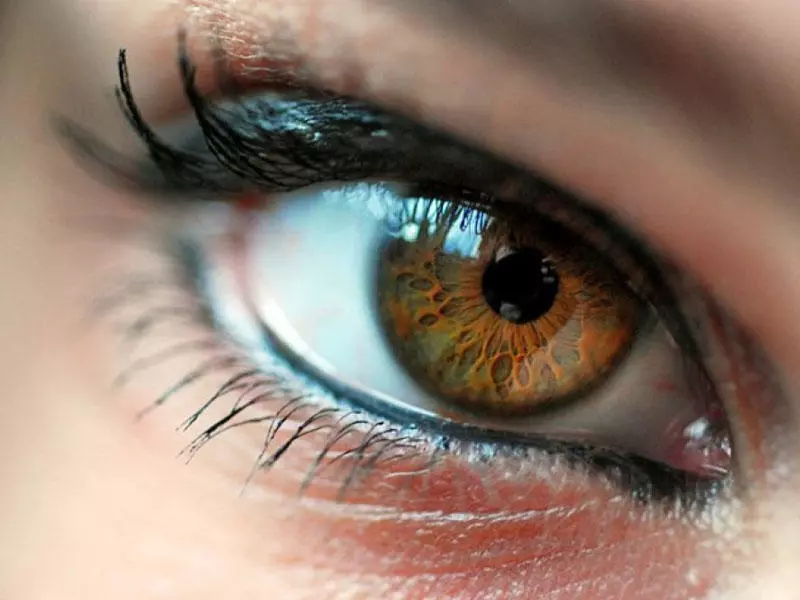
Laser eye color lightening technology is one of the innovative aesthetic procedures that has gained significant attention in recent years. As more individuals with brown eyes seek lighter eye tones, the demand for this technology continues to grow. Laser eye color change works by reducing the pigment density in the iris, allowing for a gradual lightening of the eye color.
The iris, which is the colored part of the eye, gets its color from a pigment called melanin. The higher the melanin concentration, the darker the eye color. Brown eyes contain a high amount of melanin, which is why they appear darker. The eye color lightening procedure targets this pigment density and aims to reduce it using laser energy.
The key aspect of this technology is precision. Laser eye color changing technology is designed to affect only the pigment cells in the iris without damaging surrounding eye structures. Modern laser systems operate at specific wavelengths, ensuring targeted and controlled energy delivery. This allows for a safer and more predictable treatment process.
Unlike surgical procedures, there is no cutting or invasive intervention involved. Therefore, the eye color change procedure is considered non-invasive. The treatment is usually completed within a short time, allowing individuals to quickly return to their daily routines. However, one important point to understand is that the results are not immediate.
After the laser eye color lightening procedure, the color change occurs gradually. The broken-down melanin pigments are naturally cleared by the body over time. This process typically begins within a few weeks and may continue for several months. Initially, a subtle lightening is observed, followed by more noticeable color changes as time progresses.
One of the major advantages of this technology is its natural-looking results. Instead of a sudden and artificial color change, the transition happens gradually. This ensures that the eyes maintain a natural and aesthetic appearance after the laser eye color lightening treatment. Additionally, since each individual has a unique eye structure, the results are personalized.
Eye color changing technology requires a customized approach for each patient. Factors such as iris thickness, pigment density, and overall eye anatomy must be carefully evaluated. A thorough pre-procedure examination helps determine whether the individual is a suitable candidate for the treatment.
The desired eye color also plays an important role in the outcome. Transitioning from dark brown eyes to very light blue may not be achievable in the same way for everyone. Therefore, the eye color lightening procedure requires realistic expectations and proper planning. With the right approach, balanced and natural results can be achieved.
There are also some considerations for the post-treatment period. Mild sensitivity or increased light sensitivity may occur, especially in the first few days. These effects are usually temporary and tend to resolve over time. Following the aftercare instructions provided by the specialist is essential for a smooth recovery process.
In conclusion, laser eye color lightening technology is a modern and evolving aesthetic procedure. By targeting melanin pigment, it offers a non-surgical approach to changing eye color. When performed with proper planning and professional evaluation, the laser eye color change procedure can deliver natural and aesthetically pleasing results.