


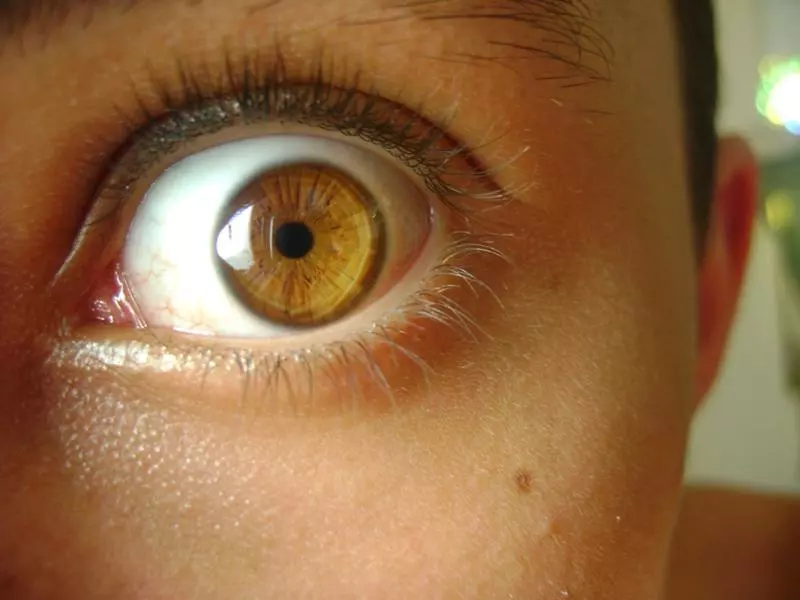
Light-colored eyes are considered an eye-catching and admired feature by many people. For this reason, how light-colored eyes form and the genetic structure behind them are topics of great curiosity. In this article, we will discuss in detail what light-colored eyes are, their genetic background, methods used to achieve this appearance, and care recommendations.
What Are Light-Colored Eyes?
Light-colored eyes refer to eye colors in shades such as light blue, green, or gray. These eye colors occur as a result of low levels of melanin pigment. Melanin is the primary pigment that determines the color of our eyes. As melanin levels decrease, the eyes appear lighter in color and reflect more light.
Light-colored eyes occur naturally in only a small portion of the world’s population. They are more common among communities living in colder climates. For example, the proportion of individuals with light-colored eyes is higher in Northern European countries. This situation can be explained by a combination of genetic factors and environmental conditions.
Although light-colored eyes are often considered aesthetically attractive, they may also come with certain disadvantages. For instance, light-colored eyes can be more sensitive to sunlight and may therefore require extra protection. However, with proper care, the negative effects of this sensitivity can be minimized.
How Do Light-Colored Eyes Develop?
Genetic factors play a major role in the development of light-colored eyes. Having individuals with light-colored eyes in the family increases the likelihood of this eye color being passed on to future generations. However, genetic combinations do not always produce predictable results, which is why children with different eye colors may be born.
Melanin pigment is one of the main factors determining eye color. Low melanin levels cause the eyes to appear lighter. Melanin is found in the iris layer, and its amount affects whether the eye color appears dark or light. Lower melanin levels allow more light to reach the back of the eye, making the eyes appear lighter.
Light-colored eyes can appear in shades of blue, green, or gray, and these tones may be shaped not only by genetic factors but also by environmental influences. Eye color may change depending on lighting conditions, which makes light-colored eyes even more attractive.
The Genetic Structure of Light-Colored Eyes
The genetics of eye color is quite complex. Genetic scientists state that many genes play a role in determining eye color. In particular, the OCA2 and HERC2 genes are known to play an important role in eye color determination. These genes influence melanin production and distribution, shaping the final eye color.
The genetic structure of light-colored eyes is associated with recessive genes. This means that when both parents carry genes for light-colored eyes, the probability of their children inheriting this trait increases. However, since many genes are involved in eye color determination, results are not always certain, and different color combinations may occur.
Eye color inheritance depends not only on genetic factors but also on environmental influences. For example, lifestyle, nutrition, and age can affect the tone and brightness of eye color. Therefore, having light-colored eyes is not solely a genetic matter.
Methods to Achieve Light-Colored Eyes in Ankara
In Ankara and many parts of Türkiye, the desire to have light-colored eyes has become a factor shaping aesthetic demands. In response to this demand, various methods and technologies have been developed. These include surgical procedures, contact lens use, and some natural methods.
One of the most common methods of achieving light-colored eyes in Ankara is the use of contact lenses. Colored lenses allow temporary eye color changes and provide users with a different appearance. These lenses are available in various colors and shades and can be selected according to individual needs.
For those seeking a more permanent solution, laser eye color change procedures may be an option. However, such procedures require careful research regarding risks and outcomes. Although they can provide effective results, there are many factors that must be considered after the operation.
The Laser Eye Color Change Process
Laser eye color change is an aesthetic procedure that has gained popularity in recent years. This treatment changes eye color by reducing the amount of melanin in the iris layer. The procedure is generally short and performed under local anesthesia.
During the laser eye color change process, preserving the natural structure of the eye is essential. Laser beams target melanin cells and reduce pigment production. As a result, the eyes appear lighter in color. However, since the success and safety of the procedure require expertise, choosing an experienced doctor is important.
Although these procedures may seem appealing, they involve certain risks. Eye health must be carefully evaluated, and all potential risks should be considered. Before any surgical intervention, a detailed examination and professional consultation are recommended.
Care Tips for Light-Colored Eyes
Light-colored eyes usually require special care because they tend to be more sensitive. To protect eye health and maintain their aesthetic appearance, some important care tips should be followed:
Use Sunglasses:
Light-colored eyes may be more sensitive to sunlight. Wearing UV-protected sunglasses helps protect your eyes from harmful rays and provides comfort.
Moisturizing Eye Drops:
Dry eyes are more common in light-colored eyes. Moisturizing eye drops help maintain hydration, providing comfort and preventing dryness.
Regular Eye Checkups:
Regular visits to an eye doctor are important for maintaining eye health. Any potential problems can be diagnosed early, allowing necessary precautions to be taken.
Although having light-colored eyes is aesthetically appealing, it requires regular care and protection. By following these recommendations, you can maintain both eye health and visual appearance.
Frequently Asked Questions About Light-Colored Eyes
1. Why are light-colored eyes more sensitive?
Light-colored eyes may be more sensitive to sunlight because they contain lower levels of melanin. Melanin acts as a pigment that filters harmful UV rays, and when present in smaller amounts, the eyes become more vulnerable.
2. Are light-colored eyes genetic?
Yes, light-colored eyes are generally linked to genetic factors. Having family members with light-colored eyes increases the likelihood of inheriting this trait. However, since many genes influence eye color, results are not always predictable.
3. Is laser eye color change safe?
Laser eye color change can be safe when performed by an experienced specialist. However, as with any surgical procedure, risks and side effects should be considered. Therefore, detailed consultation before the procedure is strongly recommended.