
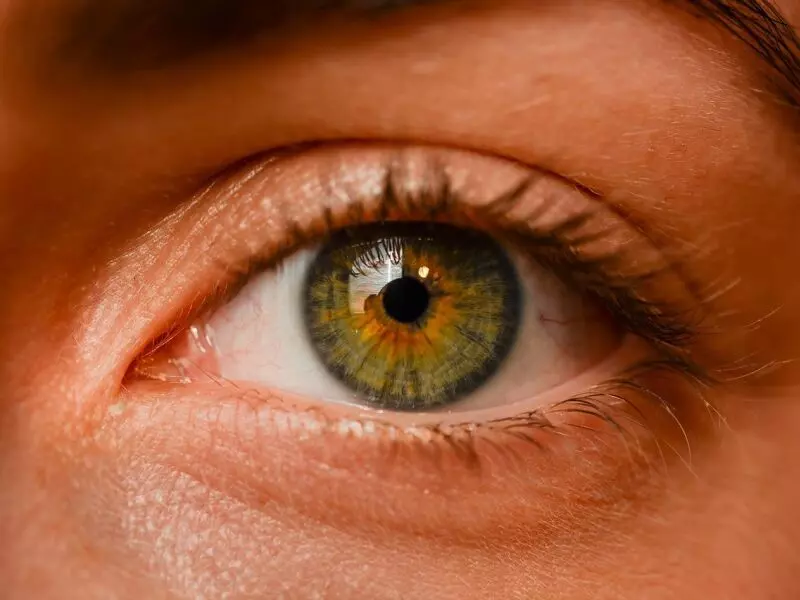
How Do Eye Colors Change?
Eyes are often considered the mirror of the soul, and eye color—an important part of personal identity for many people—usually remains stable throughout life. However, in some cases, changes in eye color can be observed. The question “How do eye colors change?” is connected to genetic and environmental factors, health conditions, and even cosmetic procedures. In this article, we will explore the reasons and processes behind these changes in detail.
Genetic Factors of Eye Color
Genetic factors play the primary role in determining eye color. Genetic scientists explain that eye color results from the complex interaction of multiple genes. In human genetics, three main pigments influence eye color: melanin, lipochrome, and collagen. The most common eye colors include brown, blue, green, and hazel. Brown eyes are characterized by high melanin levels, while blue eyes contain lower amounts of melanin and appear blue due to the scattering of light.
Each parent passes genetic information related to eye color to their children. The combination of these genes determines the child’s eye color. For example, two brown-eyed parents may have a blue-eyed child, although the probability is relatively low. Genetic variations and mutations can sometimes produce unexpected outcomes in eye color.
To better understand how genetic factors influence eye color changes, genetic counseling and testing may be useful. These tests can help individuals understand how their genetic structure affects eye color. However, it should be remembered that genetics is not the only reason for changes in eye color.
Environmental Factors Affecting Eye Color
Environmental factors may cause slight changes in how eye color appears over time. For example, the intensity and type of light can influence how eye color is perceived. Bright daylight may make eyes appear lighter, while dim lighting can make them appear darker. In such cases, the eye color itself does not actually change; only the perception of it changes.
Additionally, some environmental exposures may lead to more lasting changes in eye pigmentation. For example, prolonged exposure to ultraviolet (UV) radiation may influence pigment changes in the eyes. These changes usually occur gradually and may not produce dramatic differences, but they are still worth considering.
Stress levels and emotional states may also cause temporary changes in the appearance of eye color. During intense emotional moments, pupil dilation may occur, which can make eye color appear darker or lighter. These changes are typically temporary and not permanent.
Diseases and Changes in Eye Color
Certain health conditions and diseases may cause changes in eye color. For example, a condition known as heterochromia can cause a person to have two different eye colors or multiple color tones within a single eye. This condition is often present from birth but may also occur due to certain illnesses or injuries.
Genetic disorders such as Waardenburg syndrome may also lead to changes in eye color. This syndrome affects the development of pigment cells and can create effects similar to albinism in the eyes. These changes are usually noticeable in childhood and are often permanent.
Additionally, some eye diseases such as glaucoma, which affects intraocular pressure, may also lead to changes in eye color. Certain medications used to treat glaucoma may influence melanin levels in the eye, causing the eye color to become darker. These changes may be considered part of the treatment process and can sometimes be permanent.
Eye Colors and Their Psychological Effects
Eye color is not only a physical feature but may also carry psychological effects. In society, different eye colors are often associated with certain personality traits. For example, people with blue eyes are sometimes perceived as calm and friendly, while those with brown eyes are often viewed as determined and trustworthy. Although these generalizations are not scientifically proven, the meanings people attach to eye color can influence social interactions.
Eye color may also influence a person’s self-esteem and confidence. Particularly during childhood and adolescence, having a different eye color may affect feelings of social acceptance and belonging. For this reason, it is important for parents and educators to explain that such differences are natural.
Understanding the psychological effects of eye color may help individuals better understand themselves. Eye color may shape how individuals perceive themselves and how they interact with others. Therefore, the influence of eye color on personal perception should not be overlooked.
Cosmetic Methods That Change Eye Color
For people who want to change their eye color, several cosmetic methods are available. One of the most common methods is the use of colored contact lenses. These lenses can temporarily change eye color and provide a different appearance. Proper use of colored lenses is important for eye health, and they should ideally be prescribed by a specialist.
For those seeking a more permanent solution, some surgical procedures are also available today. Intraocular color implants are sometimes used to permanently change eye color. However, such procedures may carry risks and are not always recommended. Anyone considering such interventions should conduct thorough research and consult medical professionals.
Another method that has gained popularity in recent years is laser eye color change. This procedure reduces the melanin pigment in the eye, allowing the eye color to appear lighter. However, this process also carries certain risks and should always be performed under the supervision of a qualified medical professional.
 Call
Call
 Whatsapp