
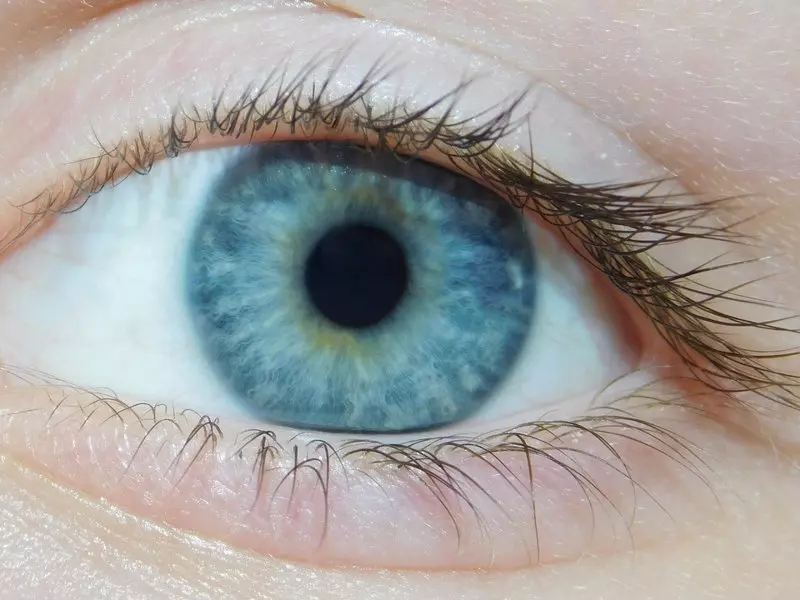
How Do Colored Eyes Form?
The formation of eye color is a complex mechanism based on genetic factors and biological processes. The question of how colored eyes form is something many people are curious about. It is important to know that eye color changes depending on the amount of pigment called melanin. The distribution and density of this pigment are the main factors that determine our eye color. Genetics plays a critical role in determining eye color, and family history can influence how our eye color develops.
Genetic Structure of Eye Color
The genetic structure of eye color is a complex process inherited through our genes. Genetics is the most important factor determining eye color. The human genetic structure includes two main genetic components: the OCA2 and HERC2 genes. These genes play a major role in whether eye color appears light or dark. Genetic factors are the primary elements that explain why eye color varies.
The OCA2 gene controls melanin production and therefore affects whether eye color is dark or light. As melanin increases, eye color becomes darker. The HERC2 gene is a genetic mechanism that influences how the OCA2 gene functions. The interaction of these two genes allows eye color to appear in different shades. Genetic variations lead to diversity in eye color and explain why some people have blue, green, or brown eyes.
The effect of our genetic structure determines not only eye color but also its tone. Therefore, by examining family genetic history, it is possible to estimate what eye color one might have. However, genetic combinations are so diverse that completely unexpected eye colors may also occur.
The Relationship Between Melanin and Eye Color
Melanin is the main pigment that determines eye color. The amount of melanin determines whether the eye color appears light or dark. As melanin increases, eye color becomes darker and turns brown. As melanin decreases, eye color shifts toward blue or green tones. The relationship between melanin and eye color helps us understand how eye color is formed.
Melanin not only affects eye color but also eye health. It protects the eyes from ultraviolet rays and regulates the amount of light entering the eye. Therefore, eyes with higher melanin levels are more resistant to sunlight and less sensitive to light. Melanin is an important component that protects eye health and highlights the significance of eye color from a health perspective.
The fact that eye color changes depending on melanin levels is a result of our genetic structure. Therefore, our eye color is directly related to genetic factors and melanin production. Understanding how melanin and genetics influence eye color helps us better comprehend how and why eye color forms.
Different Eye Colors and Their Characteristics
There are various eye colors around the world, each with its own unique characteristics. Brown eyes are the most common eye color globally and have high levels of melanin. They are more resistant to sunlight and are typically seen in individuals with darker skin tones. Brown eyes are often associated with a warm and friendly expression.
Blue eyes contain less melanin and therefore appear lighter in color. They are more common in Scandinavian countries and are often associated with colder climates. People with blue eyes may be more sensitive to light and may need to wear sunglasses on sunny days to protect their eyes.
Green eyes are a rare eye color formed by the combination of melanin and other pigments. They are often considered unique and attractive. This eye color offers a striking appearance with its different shades. Green eyes result from genetic variation and are therefore quite rare.
The Importance of Colored Eyes in Terms of Health
The effects of eye color on health stem from various factors. Brown eyes provide better protection against ultraviolet rays due to their higher melanin levels. This may help individuals with brown eyes be more resistant to the harmful effects of sunlight. Additionally, brown eyes may reduce the risk of certain eye conditions.
Blue and green eyes, having lower melanin levels, may be more sensitive to sunlight. Therefore, individuals with these eye colors are advised to protect their eyes by wearing sunglasses. Lower melanin levels may also increase light sensitivity and lead to eye strain. Taking protective measures against sunlight is important for maintaining eye health.
Eye color is a combination of genetic and environmental factors and can influence eye health. The importance of colored eyes in terms of health highlights that eye color is a reflection of our genetic structure, and therefore appropriate protective measures should be taken to maintain eye health.
Can Eye Color Change?
Eye color change is a topic many people are curious about. Naturally changing eye color is generally not possible. However, in some cases, eye color may change due to aging or certain health conditions. Changes in eye color may rarely occur as a result of genetic factors.
Some individuals may prefer to use cosmetic lenses to change their eye color. Cosmetic lenses can temporarily alter eye color, but they should be used with caution. Lens use can affect eye health, so they should not be used without expert advice. Individuals who want to change their eye color should consider the risks and benefits of such methods.
In recent years, surgical procedures have been developed to permanently change eye color. However, such procedures can be risky and may negatively affect eye health. Surgical methods for permanent eye color change should be carefully evaluated and performed only by specialists. Those considering changing their eye color should thoroughly assess the risks and potential outcomes of such procedures.
 Call
Call
 Whatsapp