
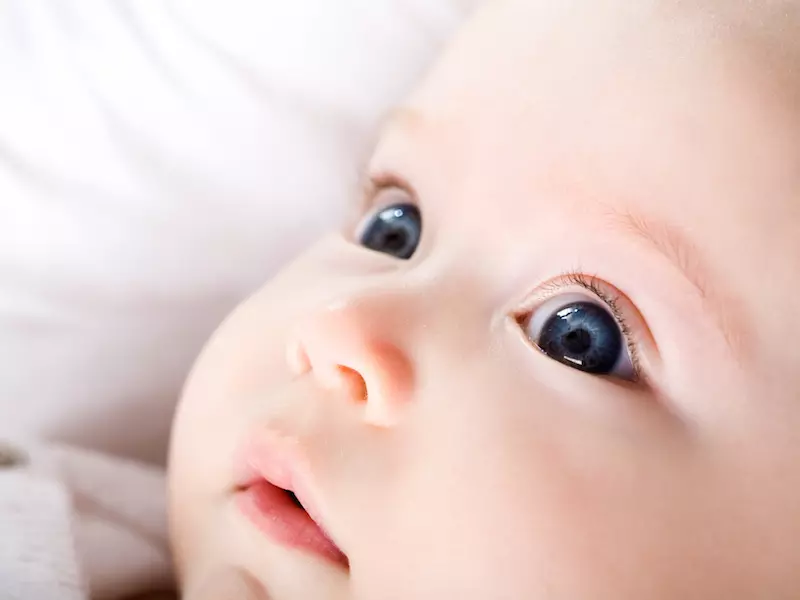
How Can You Tell if a Baby Has Colored Eyes?
Understanding how a baby’s eye color will develop can be quite intriguing for parents. Everyone wants to know what color their baby’s eyes will be, which increases the desire to learn more about this topic. So, how can you tell if a baby has colored eyes? This process generally involves a series of stages where eye color is based on genetic factors and may change over time. In this article, we will focus on key points to better understand this process and gain insight into the development of eye color.
Genetic Factors of Eye Color in Babies
A baby’s eye color largely depends on genetic factors. The eye colors of the parents are among the most important factors determining the baby’s eye color. For example, a child of two brown-eyed parents is more likely to have brown eyes, but this is not a strict rule. Genetic inheritance plays a complex role in determining eye color and can sometimes lead to unexpected results.
Genetic science shows that eye color is a polygenic trait, meaning it is determined by multiple genes working together. Therefore, it is not always possible to predict a baby’s eye color exactly. The main genes involved in determining eye color are known as OCA2 and HERC2. Different allele combinations of these genes can influence whether the eye color is blue, green, or brown.
Family history can also influence eye color. The eye colors of grandparents or other close relatives may contribute to this genetic pool. Therefore, the answer to how can you tell if a baby has colored eyes is not limited to the parents’ eye colors; it may be based on a broader genetic background.
The Process of Eye Color Change in Babies
Newborn babies usually have blue or gray eye tones, but this color is not permanent. When answering the question how can you tell if a baby has colored eyes, it is important to understand how eye color changes over time. Changes in a baby’s eye color usually become noticeable between the first six months and one year of life.
During this period, melanin pigment begins to accumulate in the baby’s eyes. Melanin is the main pigment that determines eye color. If the amount of melanin increases, the eyes may become darker. On the other hand, if melanin levels remain low, the eyes may stay blue or green. Melanin accumulation is usually completed within the first year of life, although in some cases this process may take longer.
These changes in eye color occur as a combination of genetic and environmental factors. For example, lighting conditions in the baby’s environment may affect how eye color is perceived. Therefore, it is important to observe eye color changes carefully and be patient.
What to Consider for the Clarification of Colored Eyes
To better understand when a baby’s colored eyes become more apparent, certain factors should be considered. First, when answering the question how can you tell if a baby has colored eyes, it is important to support the healthy development of the eye area. Adequate sleep, balanced nutrition, and good hygiene habits can positively affect eye health.
It is also important for babies to be in appropriate lighting conditions to protect eye health. Bright lights can harm babies’ sensitive eyes, so natural light should be preferred. In addition, care should be taken to prevent direct sunlight from reaching the baby’s eyes. This helps protect eye health and supports the healthy development of eye color.
Experts emphasize the importance of regular eye check-ups for babies. By consulting your pediatrician or an eye doctor, you can learn more about your baby’s eye health and receive professional advice when necessary. This helps you make informed decisions when exploring how can you tell if a baby has colored eyes.
Care for Babies with Colored Eyes
Caring for babies with colored eyes does not require a different approach from other babies, but special attention to eye health is important. To protect babies’ eyes, it is necessary to follow hygiene rules and prevent contact with dirty hands. This reduces the risk of infection and helps maintain eye health.
Taking care of the cleanliness of babies’ eyes is another way to protect their eye health. Keeping the eye area clean and gently removing any residue around the eyes is important. Sterile cotton or a clean cloth can be used for this process. Such care helps the eyes look clearer and healthier while addressing the question how can you tell if a baby has colored eyes.
Finally, observing your baby under different lighting conditions can be helpful in understanding how eye color changes. Noticing how the eyes appear under different light angles can support the process of eye color becoming more apparent. Such observations allow parents to better understand their baby’s eye color.
 Call
Call
 Whatsapp