
How Are Eye Colors Seen?
Our eyes play an important role in how we perceive the world. So, how do eye colors form and how do we see? In this article, we will embark on a detailed exploration of the diversity of eye colors and their effects on our visual perception.
What Are Eye Colors?
Eye color is determined by the amount and distribution of pigment located on the front surface of the iris. Among the basic tones of eye color are brown, blue, green, and hazel. Eye colors generally vary depending on biological and genetic factors.
Eye color depends on the amount of pigment called melanin. When the amount of melanin is high, the eyes are usually dark brown. Low melanin levels lead to lighter eye colors such as blue or green. This biological process causes each individual’s eye color to be unique.
How eye color is perceived in society also depends on cultural and personal factors. Some people may prefer one eye color over another, and this is part of aesthetic and social perception. Associating eye color with personality is also a common belief, and we will discuss this topic in more detail in the following sections of the article.
Formation of Eye Colors
Eye colors are the result of genetic structure and pigmentation. Genes inherited from each parent determine a child’s eye color. The formation of eye colors is a complex combination of genetic inheritance and is often difficult to predict.
The pigmentation of the iris depends on the amount of melanin produced by cells called melanocytes. The higher the melanin level, the darker the eye color. For example, brown eyes have a high concentration of melanin, while blue eyes contain less melanin. This difference determines eye color by affecting how light is absorbed and reflected.
In addition to genetic factors, environmental factors may also play a role in the formation of eye color. For example, some studies suggest that exposure to sunlight may affect eye color by increasing melanin production. However, such effects are generally not as significant as innate genetic structure.
How Are Eye Colors Seen?
To understand how eye colors are perceived, it is important to know how light enters the eye and how it is processed. Light enters through the pupil and is detected by receptor cells in the retina. The answer to the question “How are eye colors seen?” lies in this complex process.
Light is absorbed and reflected by the iris. The density and type of pigment on the iris determine how light is reflected and therefore what color the eye appears to be. Brown eyes absorb more light because they contain more melanin, while blue eyes contain less melanin and reflect more light.
In addition, the perception of eye color may also be affected by factors such as ambient lighting conditions and the structure of the eye. For example, eye color may appear darker in low light conditions, while it may be perceived in lighter tones in bright light. This shows that the perception of eye color is a dynamic process.
Psychological Effects of Eye Colors
Eye colors are not only a physical trait but also an element with psychological effects. Many people believe that eye color reflects personality traits. The psychological effects of eye colors carry different meanings across individuals and societies.
Brown eyes are generally associated with reliability and warmth. People with this color are often perceived as social and friendly. Blue eyes are generally associated with sensitivity and emotionality; this may cause blue-eyed individuals to be seen as more emotional or creative.
Green eyes may be considered mysterious and attractive. Individuals with this eye color are often associated with charisma and leadership qualities. Of course, these generalizations may not always be true, but they appear as part of social stereotypes. The psychological effects of eye color may vary between individuals and may be influenced by personal experiences.
Genetic Structure of Eye Colors
Eye color is a reflection of genetic structure and is therefore an important subject of research in genetics. The genetic structure of eye colors is based on the principles of Mendelian genetics and is determined by a complex genetic combination.
The main genes that determine eye color are known as OCA2 and HERC2. These genes affect the production of melanin that controls iris pigmentation. The genetic material inherited from both parents determines what the child’s eye color will be. Genetic variations may cause different eye colors to appear even within the same family.
Genetic studies show that eye color is determined not only by two genes but by the combination of many genetic factors. Therefore, predicting eye color is not always easy and remains an area that requires further scientific research.
Different Eye Colors and Their Characteristics
Different eye colors bring various characteristics and perceptions. Each color has its own unique appeal and personal meaning. Here are some common eye colors and their characteristics:
Brown Eyes: It is the most common eye color and is generally associated with trust and warmth. Brown eyes provide more protection against sunlight due to their high melanin content.
Blue Eyes: Generally considered rare and attractive. Blue eyes reflect more light due to low melanin levels, which gives them a bright appearance.
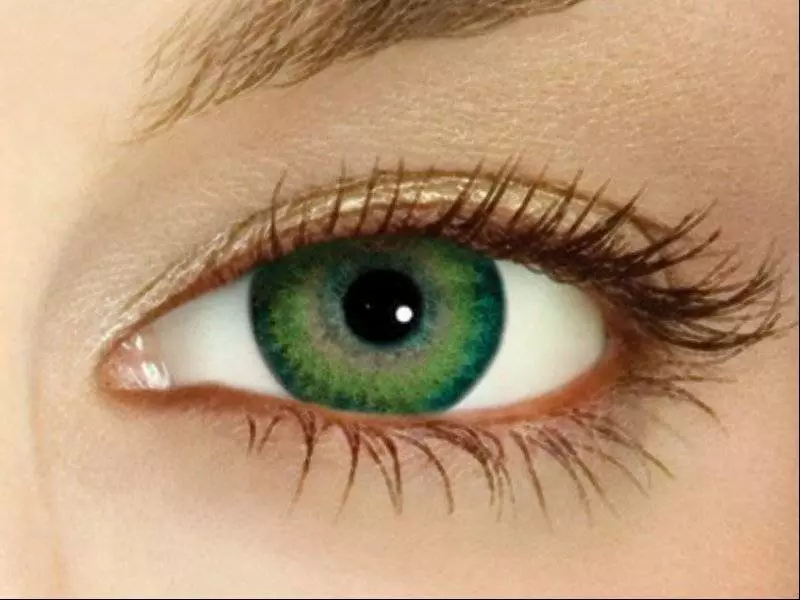
Green Eyes: This rare color is often seen as mysterious and attractive. Individuals with green eyes are often perceived as creative and charismatic.
Hazel Eyes: Hazel eyes, which are a mixture of brown and green, have a dynamic and interesting appearance due to their variable tones. This eye color is generally associated with energetic and adventurous personalities.
 Call
Call
 Whatsapp