


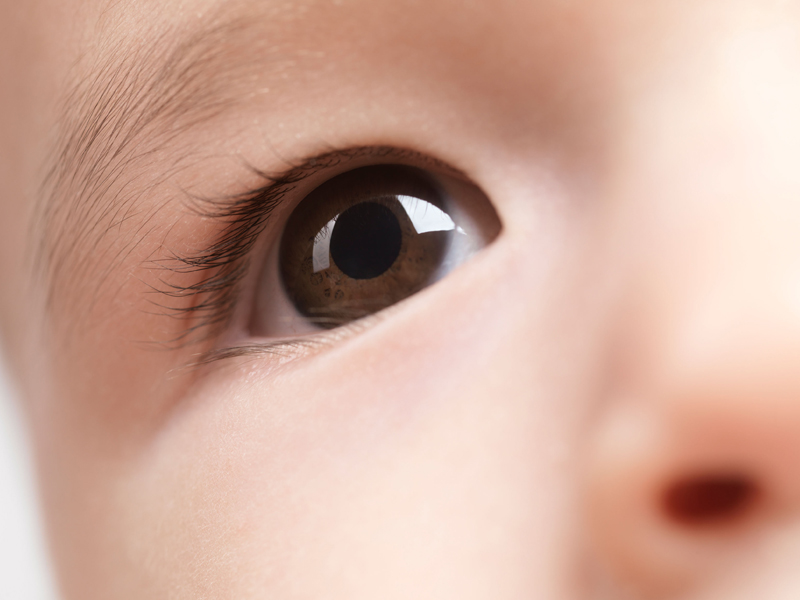
Hazel-eyed babies are a topic that increasingly attracts attention and curiosity among parents. Although eye color is a genetic trait, hazel eyes offer a unique and rare beauty compared to other colors. What a child’s eye color will be is often discussed among parents, and hazel eyes frequently become the center of attention in these conversations.
What Are Hazel-Eyed Babies?
Hazel eye color is generally described as a blend of green and brown tones. This eye color can display different shades under certain lighting conditions, making it quite attractive and eye-catching. Eye color is determined by the amount of melanin in the iris and genetic coding. The eyes of hazel-eyed babies may present a range of colors depending on changes in light.
Genetics plays a significant role in determining eye color. A child’s eye color is influenced by the genetic traits of the parents. However, a child with hazel eyes may have parents with different eye colors. This demonstrates how complex genetic combinations can be and how hazel eyes can emerge.
Hazel-eyed babies are rarer compared to other eye colors. This rarity often leads to individuals with hazel eyes being perceived as distinctive and special. People’s interest in eye color generally stems from these rare and fascinating combinations.
Characteristics of Hazel-Eyed Babies
The eyes of hazel-eyed babies usually have a bright and deep expression. This eye color offers a tone that changes under different lighting conditions, meaning the eyes do not always appear the same color. Especially in daylight, hazel eyes may take on green, brown, or golden hues.
This eye color also contributes to emotional expression. Hazel eyes often create a warm and inviting impression. Eye color can play a role in how children express their emotions; hazel-eyed babies may have a gentle and captivating gaze.
However, the eyes of hazel-eyed babies may be more sensitive to sunlight. This is due to lower levels of melanin in the eyes. For this reason, it is recommended that hazel-eyed babies wear sunglasses when spending time outdoors on sunny days.
Global Prevalence of Hazel Eyes
Hazel eye color is considered rare worldwide. Since most people are thought to have brown eyes, hazel eyes hold a special place. This eye color is more commonly seen in regions such as Europe, the Middle East, and North Africa.
The global distribution of hazel-eyed individuals depends on geographical and genetic factors. For example, the proportion of people with hazel eyes is higher across Europe. In contrast, in regions such as the Americas and Asia, this rate is much lower, and hazel eyes are regarded as a rare beauty.
The distribution of eye color reflects genetic diversity and historical human migration. As a result of their genetic heritage, hazel-eyed babies evoke admiration and curiosity across different cultures. This once again highlights how special and striking hazel eyes are.
Health and Genetic Connections of Hazel-Eyed Babies
Hazel-eyed babies may have certain genetic advantages compared to babies with other eye colors. These advantages are generally associated with differences in iris structure. For example, it has been suggested that individuals with hazel eyes may be more resistant to certain eye conditions.
However, hazel eyes may also have some disadvantages. Due to sensitivity to light, prolonged exposure to sunlight may lead to eye strain or damage. Therefore, parents of hazel-eyed babies should pay attention to their children’s eye health and ensure they use protective eyewear when necessary.
Genetically, hazel eyes result from the combination of multiple factors. Several genetic mutations play a role in determining eye color. This genetic diversity highlights the uniqueness of hazel-eyed individuals and the complexity of their genetic heritage. Therefore, hazel-eyed babies can also be an interesting subject for genetic research.
Care Tips for Hazel-Eyed Babies
There are several important points parents should consider to protect the eye health of hazel-eyed babies. First, it is important to protect them from sunlight. Using sunglasses helps protect the eyes from harmful UV rays and supports long-term eye health.
Nutrition is also a critical factor for eye health. Consuming foods rich in vitamin A supports children’s eye development. Foods such as carrots, spinach, and sweet potatoes are beneficial for the eye health of hazel-eyed babies.
Finally, regular eye examinations allow early detection of any vision problems. Taking hazel-eyed babies to an eye specialist regularly helps identify potential issues in advance. In this way, their eyes can remain healthy and bright for many years.