
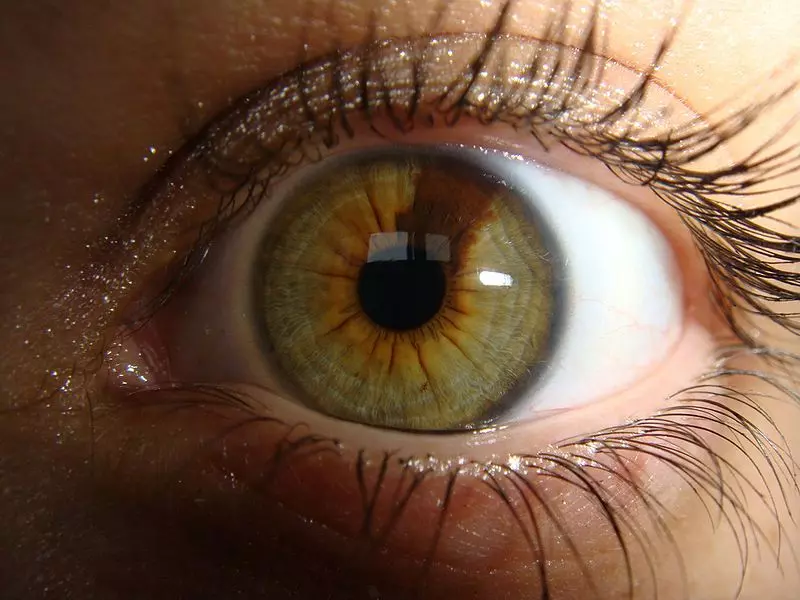
Hazel Eye Gene
Hazel eye color is one of nature’s most fascinating and rare eye colors. A unique blend of green and brown tones, hazel eyes can appear to change depending on surrounding light and clothing. So, what are the genetic secrets behind this captivating eye color? We’ve explored this topic in depth for you.
What Is the Hazel Eye Gene?
To understand the hazel eye gene, we must first understand how eye color is determined. Eye color depends on the pigmentation of the iris, the colored part of the eye. Hazel eye color appears as a result of genetic mixing. Genetic factors and melanin levels are the primary determinants of hazel eyes.
From a genetic perspective, the hazel eye gene has a complex structure. It is usually determined by combinations of genes inherited from parents. A mix of brown and green eye genes may result in hazel eye color. Therefore, the diversity of eye colors in your family history plays an important role in how this gene is passed down.
Hazel eyes are relatively rare because specific genetic variations are required. While most people have brown or blue eye genes, having hazel eyes depends on a distinct genetic combination and chance. This rarity makes hazel eyes even more special.
Characteristics of the Hazel Eye Gene
One of the most noticeable features of hazel eyes is their variability. In bright daylight, hazel eyes may appear more green, while in dim lighting they can look darker brown. This shifting quality makes hazel eyes especially attractive and eye-catching.
Hazel eyes may also appear influenced by emotional states or overall well-being. For example, stress or fatigue can make them look duller. Maintaining good sleep habits and managing stress can help preserve the natural brightness of the eyes. Nutrition also plays a role in eye health, as adequate vitamins and minerals contribute to maintaining healthy-looking eyes.
In social interactions, hazel eyes often stand out. Many people find them striking and captivating. As a result, individuals with hazel eyes may naturally attract attention. This eye color is sometimes associated with depth of character and emotional intensity.
Interesting Facts About the Hazel Eye Gene
Hazel eyes are found in approximately 5% of the global population, making them relatively rare. This rarity adds to their uniqueness and has led to various mythological and artistic interpretations across cultures.
Hazel eyes typically contain a blend of green, brown, and golden tones. This combination gives them exceptional depth and brightness. Even subtle changes in lighting can alter their appearance, enhancing their dynamic quality.
In various cultures, hazel eyes have been described as mysterious or mystical. Some beliefs associate them with special abilities or strong intuition. While these ideas are symbolic rather than scientific, they contribute to the intrigue surrounding hazel eyes.
Hazel Eyes and Genetics
In genetic science, the formation of hazel eye color is considered a complex process. Eye color is influenced primarily by two important genes: OCA2 and HERC2. These genes affect melanin production and help determine eye color. Hazel eyes emerge from the interaction between these genes.
To have hazel eyes, specific genetic combinations from both parents must come together. Family eye color history can significantly influence the outcome. Genetic counseling can sometimes help individuals better understand inherited traits, including eye color.
Scientific research on eye color continues to evolve. As genetic studies advance, our understanding of how eye color forms becomes clearer. The future of genetic science may provide even deeper insights into inherited characteristics such as eye color.
Hazel Eye Care and Beauty Tips
To maintain the natural brightness and beauty of hazel eyes, proper care is important. Regular eye examinations help detect potential issues early and maintain overall eye health.
Caring for the skin around the eyes can also enhance their appearance. The eye area is delicate and benefits from moisturizing products designed specifically for this region. Wearing sunglasses helps protect the eyes from harmful UV rays.
A balanced diet rich in vitamin A, vitamin C, and omega-3 fatty acids supports eye health. Staying well-hydrated also helps maintain moisture levels and overall eye comfort.
Best Makeup Techniques for Hazel Eyes
Using the right makeup techniques can beautifully enhance hazel eyes. Earthy tones such as brown, gold, and green eyeshadows highlight their natural color and make them stand out.
Black or brown eyeliner can define the eyes and make hazel tones appear more vibrant. Volumizing mascara can enhance lash fullness and emphasize eye depth.
Applying a subtle highlighter to the inner corners of the eyes and beneath the brow bone can create a brighter, more open look. This technique adds a refined touch while emphasizing the natural beauty of hazel eyes.
Hazel Eyes and Color Theory
Color theory can be a powerful tool for enhancing hazel eyes. According to color theory, complementary colors create contrast and make each other appear more vivid.
Since hazel eyes contain green and brown tones, contrasting colors such as purple and plum can make them appear more striking. Incorporating these shades into makeup or clothing choices can enhance their intensity.
For clothing, earthy shades, deep greens, and warm golden tones naturally complement hazel eyes. These combinations bring out their brightness and create a harmonious, eye-catching appearance.
 Call
Call
 Whatsapp