
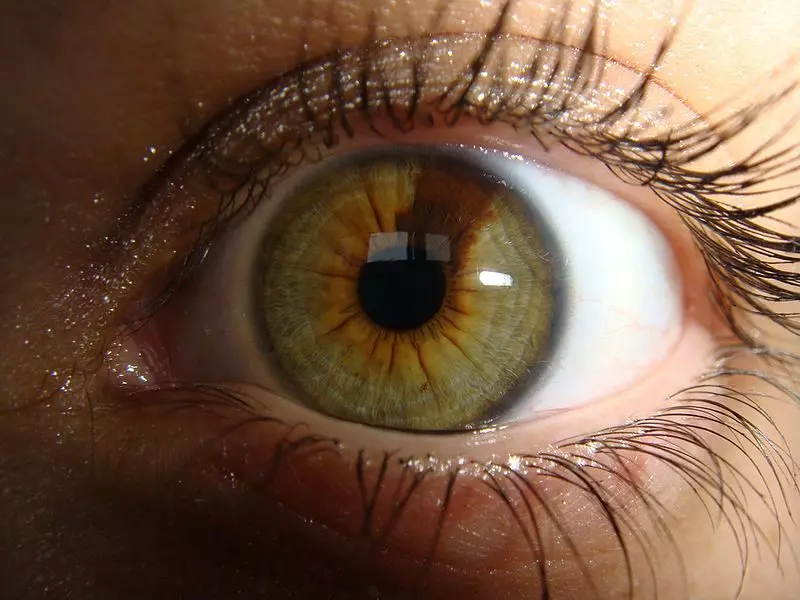
Hazel Eye Color Ratio
Hazel eye color is one of the rarer eye colors found in nature and is widely considered very attractive. The ratio of hazel eye color varies across the world and depends on genetic factors, geographical location, and the historical movements of populations. In this article, we will explore the global prevalence of hazel eyes and the fascinating details behind this unique eye color.
Hazel eyes are typically described as a blend of brown and green tones. This unique color can appear different depending on how light reflects and scatters in the eye, making it highly dynamic and variable. Because of this, hazel eyes may sometimes appear golden and at other times greenish. This variability makes hazel eyes even more distinctive and appealing.
Although hazel eyes are not as common as brown eyes worldwide, they are more frequently found in certain regions. In particular, hazel eyes are seen more often in parts of Europe and Central Asia. The genetic origins and environmental influences behind this eye color help explain why hazel eyes appear more commonly within certain populations.
Interesting Facts About the Hazel Eye Color Ratio
Hazel eyes are fascinating not only from an aesthetic perspective but also from a scientific one. Studies on the hazel eye color ratio reveal how complex and intriguing our genetic inheritance can be. The genetic structure behind hazel eyes contains variations that are rarer compared to those responsible for brown or green eyes.
Scientists have studied for many years how hazel eyes are formed genetically. Research shows that hazel eyes are not strictly dominant or recessive traits, but rather polygenic traits. This means that multiple genes contribute to the formation of hazel eye color. This genetic diversity allows hazel eyes to display various shades and color transitions.
Additionally, people with hazel eyes may be more sensitive to bright light. This is thought to be due to the lower melanin levels in hazel eyes compared to brown eyes. As a result, individuals with hazel eyes may be more sensitive to strong light. However, this sensitivity also contributes to the remarkable ability of hazel eyes to appear different under varying lighting conditions.
Hazel Eye Color Ratio: Global Distribution
Hazel eyes are more common in certain regions of the world. The ratio of hazel eye color varies due to geographic and ethnic differences. Hazel eyes are most frequently found in Europe and Central Asia, where genetic diversity and historical migrations have influenced their prevalence.
In Europe, hazel eyes are more commonly observed in countries such as Ireland, Germany, and some Scandinavian regions. This pattern reflects the genetic heritage of these populations. Historical migrations and genetic mixing throughout centuries have contributed to the higher occurrence of hazel eyes in these areas.
In Central Asia, hazel eyes are rarer but still present in certain communities. The genetic structure of populations in this region has been shaped by the mixing of various ethnic groups throughout history. This diversity helps explain why hazel eyes appear in some populations more frequently than in others. The global distribution of hazel eyes is closely connected to genetic diversity and historical population movements.
Hazel Eye Color Ratio: Genetic Factors
Genetic factors play a significant role in the development of hazel eyes. The hazel eye color ratio reflects the complexity and diversity of human genetic inheritance. This eye color results from the interaction of multiple genes, making it particularly unique.
From a genetic standpoint, hazel eyes are considered polygenic traits, meaning that multiple genes influence their formation. These genes affect the amount and distribution of melanin, the pigment responsible for eye color. Hazel eyes contain less melanin than brown eyes but more than green or blue eyes, creating their characteristic mixed tones.
Genetic research has revealed that hazel eyes have a complex genetic structure. This complexity explains why hazel eyes often display varying shades and color transitions. Genetic variations also influence how hazel eyes respond to environmental factors. As a result, people with hazel eyes may notice their eye color appearing different depending on lighting conditions.
Hazel Eye Color Ratio: Differences Between Women and Men
Hazel eye color may appear at different rates among women and men. The ratio of hazel eye color can sometimes show differences between genders, which helps researchers understand the possible influence of genetic and hormonal factors.
Some studies suggest that women may be slightly more likely than men to have hazel eyes. This may be related to hormonal differences and genetic variations. In women, certain aesthetic traits may appear more pronounced, which could contribute to hazel eyes being observed more frequently.
In men, hazel eyes are often considered somewhat rarer. However, this difference may also be explained by the combination of genetic and environmental influences. The variation in hazel eye color between genders is a topic that still requires deeper genetic research. Understanding these differences may provide further insight into how eye color is inherited and influenced by environmental factors.
Frequently Asked Questions About Hazel Eye Color Ratio
Many questions arise about hazel eyes. Here are some commonly asked questions and answers regarding the hazel eye color ratio:
What is the global ratio of hazel eyes?
Hazel eyes are estimated to occur in approximately 5% of the world’s population. This percentage may vary depending on geographic and ethnic differences.
How are hazel eyes formed genetically?
Hazel eyes are considered a polygenic trait, meaning multiple genes contribute to their formation.
Under which lighting conditions do hazel eyes appear to change color?
Hazel eyes can appear golden, green, or brown depending on the intensity and angle of light. This variation is related to the amount and distribution of melanin in the iris.
Hazel eye color is fascinating both aesthetically and genetically. The genetic structure and environmental interactions behind hazel eyes help explain why this eye color is considered so distinctive and attractive. For those who want to learn more about hazel eyes and discover the genetic secrets behind this unique color, this article serves as a helpful guide.
 Call
Call
 Whatsapp