
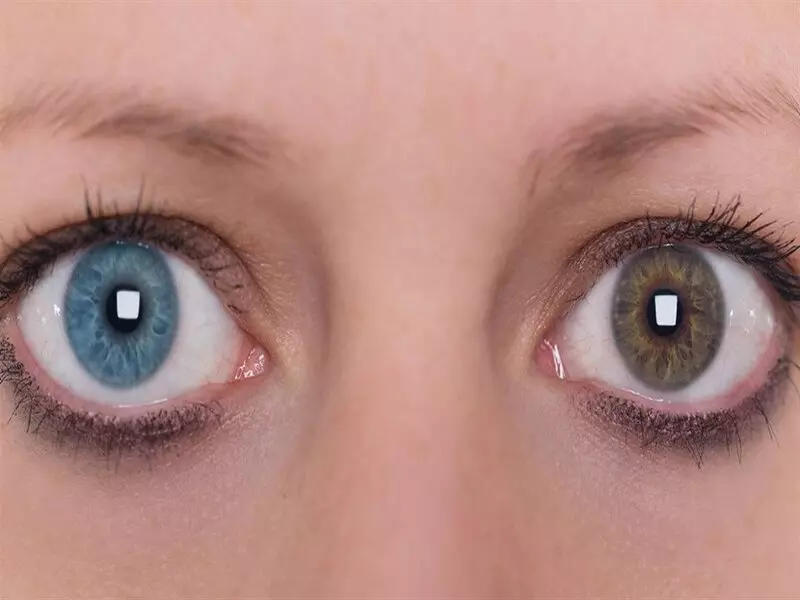
Having Two Different Eye Colors
Having two different eye colors is a condition known as heterochromia and is quite rare. This condition means that a person’s two eyes are different in color. Heterochromia is usually congenital, but in some cases it can develop as a result of trauma, illness, or medication use.
Heterochromia means that the pigmentation of the iris differs between the two eyes. This difference occurs because the melanin levels in each eye are not the same. Melanin is the pigment that determines eye color, and when it varies between the eyes, they appear in different colors.
Heterochromia is classified into three main categories: complete, partial, and central. In complete heterochromia, both eyes are entirely different colors. In partial heterochromia, part of one iris has a different color tone. In central heterochromia, different colored rings appear around the pupil.
Why Does Having Two Different Eye Colors Occur?
The causes of heterochromia include genetic factors, eye injuries, inflammation, and certain medications. Genetic heterochromia is usually inherited and results from genetic mutations. If one parent has heterochromia, there is a possibility that the child may also have the condition.
Post-traumatic heterochromia may occur after a blow or injury to the eye. Such incidents can disrupt the balance of pigmentation and create differences in color. Similarly, some eye surgeries may also lead to heterochromia.
Certain diseases and medications can also cause heterochromia. For example, some medications used in glaucoma treatment may result in changes in eye color. Additionally, certain eye conditions such as Fuchs’ heterochromic iridocyclitis may lead to this condition.
Information About Heterochromia in Ankara
For those seeking information about heterochromia in Ankara, there are various healthcare institutions and specialists available. Clinics specializing in eye diseases offer detailed information and potential treatment options. As a city with advanced healthcare facilities, Ankara provides a wide range of services for rare conditions such as heterochromia.
Eye hospitals and clinics in Ankara can diagnose heterochromia and determine appropriate management options. Specialist doctors may conduct genetic tests and detailed eye examinations to evaluate the causes and possible approaches. Healthcare institutions in Ankara provide up-to-date information and guidance regarding heterochromia.
Eye specialists in Ankara also consider the psychological effects of heterochromia and offer support when needed. For some individuals, heterochromia may cause aesthetic concerns. Therefore, there are many options in Ankara for those seeking psychological support.
Laser Eye Color Change Methods
Eye color change has become a popular aesthetic procedure in recent years. Laser eye color change is one of the modern methods used in this field. This procedure aims to alter natural pigmentation to achieve a different eye color. Clinics in Ankara also offer services related to this method.
Laser eye color change is generally considered a safe and effective method. In this procedure, laser technology is used to reduce or modify iris pigmentation density. As a result, the natural eye color changes to the desired tone. However, this procedure may not be suitable for everyone and should be evaluated by a qualified specialist.
Advantages of this method include a relatively quick recovery process and minimal invasiveness. Local anesthesia is typically used, and patients can usually return to normal activities the same day. However, it is important to receive detailed information about potential risks and side effects. Individuals considering this procedure in Ankara should consult an experienced eye doctor.
How Is Laser Eye Color Change Performed?
The laser eye color change process begins with a detailed eye examination. This assessment evaluates overall eye health and determines whether the procedure is suitable. Clinics in Ankara use up-to-date technology and techniques during this stage.
During the procedure, a specialized laser device is focused on the iris. The laser targets pigmentation and modifies pigment density to achieve the desired color change. The procedure is typically short and may require several sessions. The number of sessions varies depending on the individual’s eye structure and natural color.
After the procedure, patients generally recover within a few days. However, follow-up visits are important. Specialists in Ankara closely monitor the post-procedure process to prevent complications or unwanted effects.
Psychological Effects of Having Two Different Eye Colors
Heterochromia may cause aesthetic concerns for some individuals. Having two different eye colors can affect self-confidence and social experiences. This may be especially noticeable among younger individuals. In Ankara, there are many professionals who provide support regarding the psychological effects of heterochromia.
Psychological effects may stem from perceived differences caused by heterochromia. Some individuals may seek cosmetic solutions to conceal or minimize the color difference between their eyes. Such aesthetic concerns may negatively impact daily life and social relationships.
In Ankara, there are various therapists and counselors available for those seeking psychological support related to heterochromia. These professionals can help individuals cope with the condition and develop strategies to strengthen self-confidence. Heterochromia can also be viewed as a unique personal characteristic. A supportive environment and professional guidance can help individuals approach this condition more positively.
Frequently Asked Questions About Having Two Different Eye Colors
Common questions about having two different eye colors are important for individuals who want to better understand and manage this condition. Below are some frequently asked questions and answers:
Is heterochromia permanent?
Yes, heterochromia is usually a permanent condition. However, in some cases, eye color may change over time.
Can heterochromia be treated?
Treatment is generally not necessary because heterochromia is not a health problem. However, cosmetic solutions may be considered if there are aesthetic concerns.
Does heterochromia occur only in humans?
No, heterochromia can also be seen in animals. It is particularly common in cats and dogs.
For those in Ankara who want to learn more about heterochromia and other eye color changes, specialist doctors and clinics are available. Individuals seeking further information or consultation can contact eye hospitals in Ankara.
 Call
Call
 Whatsapp